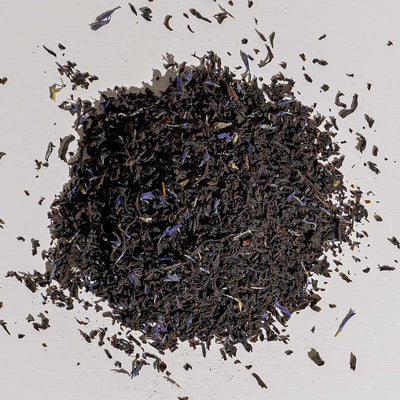
What is oolong tea? Oolong tea is a traditional Chinese tea made from the same Camellia sinensis plant as green and black tea, but only partially oxidized, anywhere from about 8% to 85%. That puts oolong between green and black tea: lightly oxidized oolongs are fresh and floral, while heavily oxidized and roasted ones are deeper, fruity or toasty. The name comes from the Chinese wulong, “black dragon,” and the best-known oolongs come from Fujian and Guangdong in China and from Taiwan. This guide is for anyone who enjoys drinking tea, keeps seeing oolong on the shelf and wants to understand it before buying, because oolong covers one of the widest ranges of flavor in tea. Below, you’ll find what oolong tea is, how it’s made, its main styles, where it comes from and how to brew it.
Three oolongs, from light and floral to dark and toasty:

Loose Leaf Tea Company Ti Kuan Yin Iron Goddess of Mercy Oolong
Light and floral: Ti Kuan Yin (Iron Goddess) with orchid notes, 1 oz

Teappo Oriental Beauty Oolong Tea
Heavily oxidized Taiwanese oolong with honey and stone fruit notes, 2 oz

Culinary Teas Formosa Oolong Tea
Darker and toasty: Formosa oolong from Taiwan, 3 oz tin
Free gift: on a first order, add $25 of Culinary Teas and a free Culinary Teas gift is added to your cart. How it works
Not sure what to pick? Take our 6-question tea quiz, or see our best oolong teas.
What Is Oolong Tea?
Oolong is one of the main types of tea made from the tea plant, alongside white, green, black and dark teas such as pu-erh. It is a type of tea, not an herbal tea or a separate plant: the same tea bushes can make green, oolong or black tea, and the difference comes from how the tea maker processes the tea leaves. What defines oolong is partial oxidation. The leaves are allowed to oxidize part of the way, then heat stops the process, so oolong keeps some of the freshness of green tea and some of the depth of black tea.

In the cup, that middle position shows up as a flavor profile you won’t find in green or black tea alone. Light oolongs taste floral and creamy, with a smooth, sweet finish; medium oxidized ones add ripe fruit and honey; roasted oolongs taste of toast, nuts and caramel. The flavor profile depends as much on the tea maker as on the tea plant, which is why two oolongs from the same tea farm can taste very different.
Because the oxidation level can be anything from light to heavy, oolong is less a single taste than a whole category of tea. So is oolong green or black tea? Neither: it is its own category, and a light oolong leans toward green tea while a dark one leans toward black. Our oolong tea vs green tea and oolong vs black tea guides compare them side by side. For the flavors themselves, from orchid and butter to honey and roasted nuts, see what oolong tea tastes like.
Oolong contains caffeine: USDA FoodData Central lists brewed oolong tea at about 38 mg per 8 oz cup, usually less caffeine than black tea and far less than coffee. Caffeine levels vary with the leaf, the water temperature and how long you steep it; our guide to whether oolong has caffeine covers the caffeine content of different styles. You’ll also see oolong sold with promises of weight loss and other health benefits; it is not a proven weight-loss aid, so this guide sticks to what oolong is, how it tastes and how to brew it.
How Oolong Tea Is Made
Oolong tea processing is among the most hands-on in tea processing, and the tea maker’s choices at each step decide the final style. Most oolong teas go through these stages:
- Withering. Freshly picked tea leaves are spread out, often in the sun and then indoors, to soften and lose some moisture.
- Tossing and bruising. The tea leaves are shaken or tumbled in bamboo baskets or drums. Bruising the edges breaks the cell walls, which starts the oxidation process: a chemical reaction between the leaves’ own enzymes, their polyphenols and oxygen that darkens the leaf.
- Partial oxidation. The tea maker lets the tea leaves rest and repeats the tossing until they reach the target oxidation level, whether light, medium or heavy.
- Kill green. High heat in a pan or drum stops oxidation. This step, sometimes called fixing, locks in the oolong’s character; kill green happens much earlier for green tea and is skipped entirely for black tea.
- Rolling and shaping. The oolong tea leaves are rolled into tight balls, typical of Tieguanyin and Taiwanese high mountain tea, or twisted into long dark strips, typical of Wuyi and Dancong oolongs.
- Drying and roasting. The tea is dried, and many oolongs are then roasted, sometimes over charcoal, to add toasty, caramel and mineral notes.
Compare that with the other two teas. Green tea leaves are heated soon after picking, so they barely oxidize; black tea is rolled and left to oxidize fully before drying. Oolong sits in between, and each production style, from a light Taiwanese high mountain tea to a dark, charcoal-roasted Wuyi oolong, reflects where the tea maker chose to stop the chemical reaction and how long they roasted the tea leaves afterward.
Oolong tea production takes skill and time, which is why tea producers in Fujian and Taiwan often specialize in one style and why good oolong costs more than everyday green or black tea.
From Green Oolong to Roasted Oolong
Oolongs vary along two lines: how far the leaves are oxidized and how much they are roasted. Most fall somewhere on this scale:

| Style | Examples | Typical flavor |
|---|---|---|
| Green oolong (lightly oxidized, little or no roast) | Modern Tieguanyin, Taiwanese high mountain tea, Jin Xuan | Fresh, floral and buttery, with a pale golden cup |
| Medium oxidized, light to medium roast | Dong Ding, Dancong oolongs from Phoenix Mountain | Fruity and floral, with more body and natural sweetness |
| Roasted oolong | Wuyi oolongs such as Da Hong Pao, Rou Gui and Shui Xian; traditional Tieguanyin | Toasty, mineral and deep amber, sometimes with a cocoa note |
| Heavily oxidized | Oriental Beauty | Honey and ripe stone fruit, closest to a malty black tea |
Lightly oxidized green oolong is the style many people meet first, while the roasted styles are the more traditional ones. The roast also changes how the tea keeps: green oolongs taste best fresh, while well-roasted oolongs hold their flavor longer, and some are even aged for years. For a fuller list of different styles, with flavor notes for each, see our guide to types of oolong tea.
Where Oolong Tea Comes From
Oolong tea comes mainly from three places, each with its own traditional oolongs:
- Fujian, China. The Wuyi Mountains are home to the “rock” oolongs, such as Da Hong Pao (Big Red Robe), Rou Gui and Shui Xian, grown among rocky cliffs and usually roasted. Anxi County is the home of Tieguanyin, the Iron Goddess of Mercy, one of the most famous Chinese oolongs.
- Guangdong, China. Phoenix Mountain produces Dancong (“single bush”) oolongs, named for the old practice of processing leaves from one tea tree at a time and known for an intense floral and fruity flavor and aroma.
- Taiwan. Taiwanese tea farms are known for high mountain tea from central Taiwan, grown at high elevations in areas such as Alishan and Shan Lin Xi; Dong Ding, a medium-roasted classic; Oriental Beauty, made from leaves nibbled by small insects, which gives its honey-like aroma; and Jin Xuan, the cultivar behind most milk oolong, known for a naturally creamy note (some milk oolongs are also flavored).
Oolong is the best-known Taiwanese tea. As a rule of thumb, many Taiwanese oolongs lean light, floral and creamy, while oolongs from China cover the full range, from floral Anxi Tieguanyin to the deeply roasted rock teas of Wuyi. When you buy tea labeled simply “Formosa oolong,” Formosa is an old name for Taiwan, and the tea is usually a darker, more oxidized style.
Oolong tea cultivation has also spread to other tea regions, but Fujian, Guangdong and Taiwan remain the reference points, and most oolong you’ll find in a tea shop comes from one of them.
How to Brew Oolong Tea
You can brew oolong two ways: Western style in a mug or teapot, or gongfu style with more leaf and quick, repeated steeps.
- Measure. Use about 1 teaspoon of oolong tea leaves per 8 oz cup; tightly rolled oolongs look small but open up a lot.
- Heat the water. Use water at 185–205°F: the lower end for green oolong, the higher end for roasted oolong.
- Steep. Brew for 3–5 minutes, then taste. The brewed tea should be bright and smooth, not bitter.
- Steep again. Keep the leaves and brew them a second and third time, adding 30 seconds to a minute each round.

For gongfu style, put much more leaf in a small teapot or gaiwan and pour off the tea after short infusions, often well under a minute, repeating many times; each round shows a slightly different side of the tea. Our guide to how long to steep tea compares oolong with other teas.
Loose leaf tea gives oolong room to unfurl, so it usually brews better than tea bags. When you shop, look for whole oolong tea leaves rather than dust, keep them in an airtight tin away from light and strong smells, and drink green oolongs within a few months for the freshest taste. If you enjoy oolong tea daily, a tin goes further than it looks, because the same spoonful can be steeped two or three times.
FAQs
What does oolong mean?
Oolong comes from the Chinese wulong, which means “black dragon.” The name is usually linked to the dark, twisted leaves of traditional oolongs, which can look a little like small dragons.
Is oolong tea fermented?
Not in the usual sense. Oolong is often described as “semi-fermented,” but what happens is oxidation: the leaves’ own enzymes react with oxygen after the cell walls are bruised. Microbial fermentation, with bacteria and yeasts, is how dark teas such as pu-erh are made, not oolong.
Can you resteep oolong tea?
Yes, and most oolongs are made for it. Rolled oolong tea leaves open a little more with each steep, so you can usually brew the same leaves two to four times Western style, and even more in a small teapot with short infusions. Add a little time to each new steep.
Final Thoughts
In short, oolong is a partially oxidized tea from the same plant as green and black tea, made by a hands-on process of withering, bruising, oxidizing, kill green, rolling and often roasting. That process gives oolong one of the widest flavor ranges in tea, from fresh green oolong to roasted Wuyi oolongs and honey-sweet, heavily oxidized teas. The best way to understand oolong is to taste a light one and a roasted one side by side, and to steep the same leaves more than once.
Ready to explore? Browse our oolong tea collection, see our picks of the best oolong teas or take the 6-question quiz to find a tea that suits you.
Behind the Cup

More about oolong tea
- Best oolong teasBuying guide
- Does Oolong Have Caffeine?
- What Does Oolong Tea Taste Like?
- Types of Oolong Tea
- Oolong vs Black Tea
- Oolong Tea vs Green Tea
- Oolong Tea Benefits
More oolong, white and pu-erh tea: Best pu-erh teas · Best white teas