Guide to the main tea categories and how they differ
Overview of 100 tea types, including true teas and herbal infusions
Flavor, caffeine, and processing notes for each tea style
Tips for choosing tea based on taste, caffeine needs, and occasion
Table of contents
This guide explores 100 types of tea across traditional tea categories and herbal infusions, with notes on origin, flavor profile, and brewing style. From classic green and black teas to floral blends and herbal tisanes, it provides a broad overview of commonly enjoyed tea varieties.
What Is Tea?
Tea is a beverage traditionally prepared by steeping processed leaves and buds of the Camellia sinensis plant in hot water. True teas all come from the Camellia sinensis plant, with varieties such as green, black, white, oolong, yellow, and pu-erh distinguished by oxidation level and specific processing methods. It is one of the most widely consumed beverages globally, valued for its broad range of flavors, aromas, and cultural preparation traditions.
Tea processing involves multiple stages from leaf to cup, with each step influencing the tea’s final flavor and aroma. Herbal infusions are beverages made from a variety of plants other than Camellia sinensis and are typically naturally caffeine-free.
Tea has cultural and historical significance in many regions and is often consumed as part of daily routines and traditions. Across cultures, tea is associated with rituals, hospitality, and long-standing preparation traditions.
Tea Category Overview
Tea Category |
Typical Oxidation Level |
General Flavor Profile |
Caffeine Content |
|---|---|---|---|
White Tea |
Very Light Oxidation |
Delicate, floral, sweet, subtle |
Low |
Green Tea |
Minimal Oxidation |
Grassy, vegetal, nutty, oceanic |
Moderate |
Yellow Tea |
Light Oxidation |
Mellow, sweet, smooth, gentle |
Moderate |
Oolong Tea |
Partial Oxidation |
Floral, fruity, toasty, honeyed |
Moderate to High |
Black Tea |
Full Oxidation |
Malty, robust, fruity, brisk, chocolatey |
High |
Pu-erh Tea |
Post-Fermented |
Earthy, woody, mushroomy, smooth |
Moderate to High |
Herbal Teas |
Not Applicable |
Wide range: floral, spicy, sweet, earthy |
Caffeine-Free |
100 Types of Tea
Green Teas

Green tea is enjoyed worldwide for its refreshing flavor and diverse range of varieties. From delicate Japanese senchas to robust Chinese greens, the many types of green tea offer a balance of grassy, nutty, and floral notes that appeal to different tea drinkers. Whether you prefer a smooth daily brew or a unique green tea experience, our curated green tea collection has options to suit different tastes.
- Sencha - This Japanese green tea is a popular choice. It is traditionally processed using steaming, contributing to its fresh grassy profile with mild sweetness and gentle bitterness.
- Longjing (Dragon Well) - This well-known Chinese green tea is pan-fired to produce flat leaves with a nutty, chestnut-like flavor.
- Gyokuro - Gyokuro is a shade-grown Japanese green tea characterized by its deep green leaves, rich umami profile, and smooth savory character.
- Biluochun - An early spring tea made from delicate buds, Biluochun displays a floral aroma and lightly fruity character.
- Gunpowder - Gunpowder tea features tightly rolled pellet-shaped leaves, a traditional style associated with maintaining flavor and aroma during storage.
- Hojicha - Hojicha is a roasted Japanese green tea made from leaves or stems, featuring low caffeine content and a warm, toasty flavor.
- Genmaicha - Genmaicha blends green tea and roasted brown rice, offering a nutty and comforting flavor.
- Kukicha - Kukicha is a Japanese twig tea made primarily from stems and twigs rather than leaf material, producing a light-bodied cup with mild sweetness and low bitterness.
- Huangshan Mao Feng - Huangshan Mao Feng displays a smooth texture and delicate floral sweetness.
- Shincha - Shincha is the first harvest of the season and typically produces a fresh, vibrant character.
- Anji Bai Cha - Anji Bai Cha is made from a pale-leaf cultivar that features mild sweetness, soft texture, and fresh green tea character.
- Fukamushi Sencha - Fukamushi Sencha is a deep-steamed variation that offers a fuller body and a slightly cloudy infusion.
- Jasmine Green Tea - Jasmine Green Tea is traditionally scented by layering green tea leaves with fresh jasmine blossoms, creating its signature floral aroma.
- Matcha - Matcha is a powdered green tea traditionally made from shade-grown leaves that are stone ground into a fine powder. It provides a concentrated flavor, smooth texture, and vibrant green color.
- Taiping Houkui - This tea features long, flat leaves and a delicate orchid-like aroma.
- Xinyang Maojian - Xinyang Maojian is a Chinese green tea displaying curled leaves, brisk body, and lightly vegetal finish.
- Lu’an Melon Seed – Made using only leaves without buds, this tea offers a mellow, smooth, and slightly sweet taste.
- Nokcha - Nokcha is a general Korean term for green tea and is typically characterized by a clean, balanced flavor profile.
- Vietnamese Green Tea - Vietnamese green tea typically produces a stronger, more robust flavor and is commonly used in both standalone and blended tea preparations.
- Moroccan Mint Green Tea - This traditional tea combines green tea, mint, and sugar and is traditionally associated with hospitality in North African culture.
Oolong Teas

Oolong tea offers a unique tea experience with flavors that can range from light and floral to rich, roasted, and deeply aromatic. Its partially oxidized leaves give it more complexity than many green teas while still feeling smoother than some black teas. With so many oolong tea varieties to explore, our curated oolong tea collection makes it easy to find a style that fits your preferred flavor and brewing routine.
- Tieguanyin - Tieguanyin is a lightly oxidized oolong featuring a floral aroma and smooth, creamy texture.
- Da Hong Pao - This cliff-grown tea provides a deep, complex flavor profile.
- Phoenix Dan Cong - Phoenix Dan Cong oolongs offer pronounced aromatic notes, often resembling peach, orchid, or honey.
- Wuyi Yancha - These cliff-grown teas typically develop a distinct mineral character, often described as “rock rhyme,” along with a balanced roasted finish.
- Ali Shan - Ali Shan is a high-mountain oolong characterized by creamy texture, floral aroma, and clean finish.
- Bai Hao Oolong (Oriental Beauty) - Bai Hao Oolong develops its signature honeyed sweetness partly through natural leafhopper interaction during cultivation, which contributes to its distinctive aromatic profile.
- Jin Xuan (Milk oolong) - Jin Xuan is a Taiwanese cultivar featuring a naturally creamy, buttery character without added flavoring.
- Dong Ding - Dong Ding is a traditional, lightly roasted oolong that offers depth and smooth texture.
- Rou Gui - This Wuyi tea displays a distinctive cinnamon-like aroma and layered roasted notes.
- Shui Xian - Shui Xian offers a balanced profile with floral notes and roasted depth.
- High Mountain Oolong - High Mountain Oolong, cultivated at elevated altitudes, typically produces a smooth texture and pronounced aroma.
- Tie Luo Han - Tie Luo Han is a traditional Wuyi tea featuring a bold body balanced by mild natural sweetness.
- Baozhong - Baozhong is a lightly oxidized tea recognized for its fresh floral aroma and delicate body.
- Zhangping Shui Xian - Zhangping Shui Xian is a compressed oolong formed into small cakes to preserve its aroma.
- Fo Shou Oolong - Fo Shou Oolong features large leaves and a soft fruity profile with subtle citrus notes.
- Huang Jin Gui - This tea offers a strong floral scent and bright, clean flavor.
- Da Yu Ling Oolong - Da Yu Ling Oolong is a high-altitude tea that displays clarity, purity, and light sweetness.
- Shan Lin Xi Oolong - Shan Lin Xi Oolong is a mountain-grown oolong with smooth body and fragrant floral notes.
- GABA Oolong - GABA Oolong is processed in a low-oxygen environment, a method associated with changes in its naturally occurring tea compounds and flavor profile.
Black Teas

Black tea brings a bold, full-bodied character to the cup, making it a favorite for those who enjoy richer and more robust flavors. Among the many types of black tea, flavors can range from malty and brisk to smooth, smoky, or lightly sweet, depending on how the fully oxidized Camellia sinensis leaves are grown and crafted. From breakfast blends to more distinctive single-origin styles, our black tea collection gives you plenty of ways to enjoy a satisfying daily brew.
- Assam - Assam grows in lowland tropical regions and typically produces a bold, malty profile, making it a common base for breakfast blends.
- Darjeeling - Darjeeling is cultivated in high-altitude regions and offers a delicate body with muscat-like notes.
- Ceylon - Ceylon tea varies by elevation and can range from light and lively to full-bodied and robust.
- Keemun - Keemun is a classic Chinese black tea featuring a smooth body with subtle smoky and wine-like notes.
- Lapsang Souchong - This tea is smoke-dried over pinewood, resulting in a distinct smoky aroma.
- Dianhong (Yunnan Black) - Made with golden buds, Dianhong offers a rich, smooth profile with light chocolate notes.
- Nilgiri - Nilgiri is a South Indian black tea characterized by a clean, brisk, and fragrant character.
- Golden Monkey - Golden Monkey uses young leaves and buds, offering a smooth profile with mild natural sweetness.
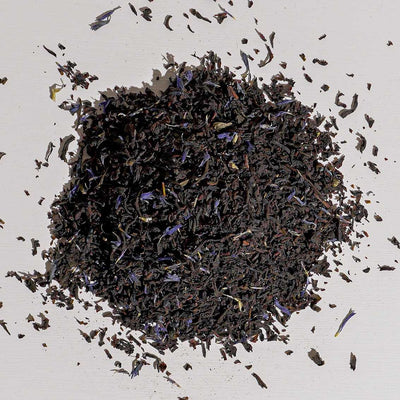
- Earl Grey - This black tea is flavored with bergamot oil, giving it a citrus aroma.
- English Breakfast - English Breakfast is a robust black tea blend commonly enjoyed with milk or sugar.
- Irish Breakfast - Irish Breakfast is a strong black tea blend often built around Assam teas, offering a deep malty flavor and full-bodied character.
- Darjeeling Second Flush – Darjeeling Second Flush is a later harvest Darjeeling tea that typically develops a richer body and distinctive muscatel grape notes.
- Keemun Hao Ya - Keemun Hao Ya is a well-known Keemun style with a smooth body, gentle aroma, and subtle sweetness.
- Nepal Black Tea - Nepal Black Tea shares a similar style to Darjeeling, with balanced floral and fruity notes.
- Kenyan Black Tea - Kenyan Black Tea, grown at high elevations, provides a full-bodied, brisk character, making it a common component in commercial black tea blends.
- Floral Black Tea - Floral Black Tea blends black tea with flowers such as rose or jasmine to add delicate floral notes to the aroma and flavor.
- Rose Black Tea - Rose Black Tea combines black tea and rose petals for a floral, lightly sweet aroma and a distinctive flavor profile.
- Mango Black Tea - Mango Black Tea blends black tea with mango essence for a bold fruity aroma and naturally fruit-forward flavor.
White Teas

White tea is a delicate and naturally smooth tea known for its light body, subtle sweetness, and gentle floral character. Among the different popular white tea types, many are made from young Camellia sinensis leaves and buds and are minimally processed, giving them a softer taste compared with many green or black teas. For a calmer, more refined cup, our white tea collection brings together elegant options that are easy to enjoy throughout the day.
- Silver Needle - Silver Needle is a white tea traditionally crafted from young unopened tea buds.
- White Peony - White Peony combines buds and leaves to offer a fuller body with more pronounced floral and fruity notes.
- Shou Mei - Shou Mei is a later-harvest white tea that displays a slightly earthier character and deeper color.
- Gong Mei - Gong Mei is similar to Shou Mei but generally offers a lighter, mildly fruity profile.
- Darjeeling White - Darjeeling White is a limited-production white tea featuring light floral notes and subtle muscat character.
- Ceylon White – Ceylon White is a limited-production white tea from Sri Lanka that offers a delicate honeyed flavor and light body.
- Moonlight White - Moonlight White uses a specialized drying method that contributes to its silky texture and soft floral sweetness.
- Yunnan White Tea - Yunnan White Tea uses larger leaves, producing a richer body and deeper sweetness than many white tea varieties.
Pu-erh Teas

Pu-erh tea offers a deep, earthy character that stands out from more familiar green, black, or oolong teas. Among the different types of pu-erh tea, flavors can range from smooth and woodsy to mellow, aged, or slightly sweet, depending on the fermentation style and aging process. For tea drinkers who enjoy a richer and more grounded cup, our pu-erh tea collection is a great place to explore.
- Sheng Pu-erh – This raw pu-erh is minimally processed and naturally develops in flavor as it ages. Its profile is typically brighter when young and becomes smoother with age.
- Shou Pu-erh – Shou Pu-erh is a fermented style of pu-erh processed using controlled fermentation methods to develop deeper earthy characteristics more quickly. Well-aged shou pu-erh is valued for its smooth, mellow, and rounded mouthfeel.
- Lao Cha Tou – These nugget-like clusters form during fermentation and offer a dense texture and deep, smooth flavor.
- Pu-erh Brick Tea – Some of these teas are pressed into brick form to make them easier to store and age. Pressing allows for easier storage and aging, with flavor becoming deeper and more layered over time.
- Pu-erh Cake Tea – Pu-erh Cake Tea is traditionally pressed into round cake forms and often aged over time to develop a more integrated flavor profile.
- Yiwu Pu-erh – Yiwu pu-erh features a softer, sweeter profile with floral notes.
- Lincang Pu-erh – Lincang pu-erh often displays a brighter character with light fruity notes.
- Bulang Pu-erh – Bulang pu-erh offers a bold, intense body and pronounced bitterness.
Yellow Teas

Yellow tea is a rare and delicate tea style known for its smooth texture, mellow sweetness, and gentle character. Its unique processing helps soften the grassy edge often found in some green teas, creating a cup that feels refined, balanced, and easy to enjoy. For tea drinkers who appreciate subtle flavor and a calmer tasting experience, yellow tea offers something beautifully distinct.
- Junshan Yinzhen – Junshan Yinzhen is a yellow tea made from young, tender buds and offers smooth, mellow sweetness and delicate character.
- Huoshan Huangya – Huoshan Huangya is a gentle tea with light sweetness, shaped by its distinctive yellowing process.
- Meng Ding Huangya – Meng Ding Huangya is a historic yellow tea with silky texture and lightly nutty flavor.
- Weishan Maojian – Weishan Maojian is lightly processed, providing a fresh, clean taste with subtle vegetal notes.
Dark Teas

Dark tea is a distinctive category known for its fermented character, deeper flavor, and smooth, grounding cup. Among the different types of dark tea, flavors can range from earthy and mellow to woody, subtly sweet, or aged, making this category appealing for tea drinkers who enjoy richer and more complex profiles. For those looking beyond classic green, black, or oolong teas, our dark tea collection offers a unique path into deeper tea traditions.
Liu Bao Tea - A post-fermented tea with an earthy, aged flavor and smooth, mellow profile.
Anhua Dark Tea - These teas develop deep, rich flavors through microbial fermentation and aging.
Fu Brick Tea - Fu Brick Tea develops its distinct flavor during aging and is recognized for the golden microbial cultures traditionally associated with this tea style.
Tianjian Tea - Tianjian Tea features a woody profile with light smoky character.
Tibetan Brick Tea - Tibetan Brick Tea has historically been used in regional trade and is often brewed strongly, sometimes with butter or milk in traditional preparations.
Herbal Teas / Tisanes

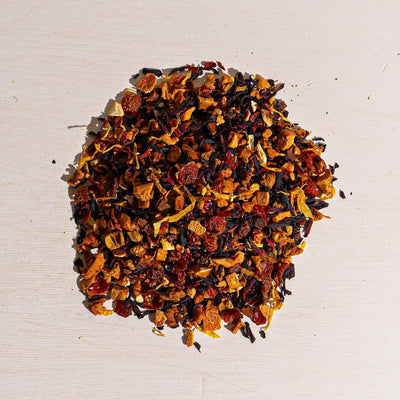
Herbal teas are some of the most popular caffeine-free teas, offering a wide range of flavors, aromas, and daily tea moments. Among the different types of herbal tea, ingredients can include herbs, flowers, fruits, roots, spices, or other botanicals, creating flavors that may taste soothing, bright, earthy, floral, sweet, or refreshing. From calming evening cups to vibrant fruit-forward blends, our herbal tea collection gives you plenty of flavorful options to explore.
- Chamomile tea - Chamomile tea is made from dried chamomile flowers and offers a gentle floral aroma and mild herbal flavor.
- Peppermint tea - Peppermint tea is a caffeine-free herbal infusion with a crisp, cooling mint flavor and refreshing finish.
- Rooibos tea - An African brew, this tea is naturally caffeine-free and features a smooth, nutty flavor profile.
- Ginger tea - Ginger tea is an herbal infusion with a bold, spicy flavor and naturally warming taste profile.
- Lemon balm tea - Lemon balm tea is a light citrus-herbal infusion made from the fresh or dried leaves of the lemon balm plant.
- Nettle tea - Nettle tea is an herbal infusion made from nettle leaves and displays an earthy, green flavor.
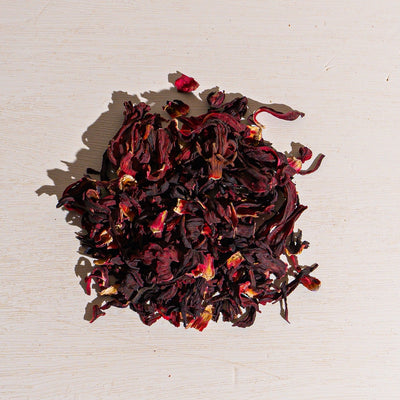
- Hibiscus tea - Hibiscus tea is a tart herbal infusion with naturally occurring plant compounds.
- Lavender tea - Lavender tea is commonly enjoyed for its floral aroma, delicate flavor, and soothing sensory qualities.
- Dandelion root tea – Dandelion root tea is an earthy roasted herbal infusion often enjoyed on its own or as a caffeine-free beverage option with roasted flavor notes.
- Elderberry tea – Elderberry tea is a lightly tart fruit-based herbal infusion commonly served hot or cold.
- Fennel tea - Fennel tea is a sweet, licorice-like herbal infusion with a smooth finish.
- Turmeric tea - Turmeric tea is a golden herbal infusion valued for its earthy flavor and gently spiced herbal character.
- Moringa tea - Moringa tea is a mild, grassy herbal infusion made from dried moringa leaves.
- Red raspberry leaf tea - Red raspberry leaf tea is a caffeine-free herbal infusion made from dried raspberry leaves.
- Chocolate mint tea - Chocolate Mint Tea blends black tea, cacao nibs, and mint leaves for a rich cocoa-mint aroma with a cooling finish.
- Chrysanthemum tea - Chrysanthemum tea is a delicate floral herbal infusion made from dried chrysanthemum flowers and traditionally enjoyed in East Asia.
- Apple cinnamon tea - Apple cinnamon tea combines fruit and warming spice notes for a naturally sweet, comforting flavor profile.
- Lemongrass tea - Lemongrass tea is a bright citrus-herbal infusion widely enjoyed across Southeast Asian herbal traditions.
- Sage tea - Sage tea is a savory herbal infusion with a mildly peppery flavor.
- Tulsi (Holy Basil) tea - Tulsi tea offers a slightly spicy herbal flavor and is widely consumed as a traditional botanical infusion.
- Rosehip tea - Made from the fruit of the rose plant, Rosehip tea features a tart, fruity flavor.
- Butterfly pea flower tea - Butterfly pea flower tea is recognized for its vivid natural blue color, color-changing infusion, and mild earthy flavor.
How To Choose The Right Tea
Choose Based on Caffeine Sensitivity
Herbal teas such as chamomile, rooibos, and peppermint are naturally caffeine-free, while green and white teas generally contain moderate caffeine levels. Black and pu-erh teas typically offer comparatively stronger caffeine content.
Choose Based on Flavor Profile Preference
White teas and lightly oxidized oolongs generally suit those who prefer floral and delicate flavor profiles, while black teas such as Assam or Ceylon provide a more robust cup. Fully oxidized black teas develop bolder, deeper flavor notes, while minimally oxidized green teas tend to retain fresher vegetal characteristics.
Herbal infusions span a broad range of sweet, spicy, and earthy flavor profiles, while green tea is often characterized by fresh vegetal or nutty notes.
Choose Based on Brewing Occasion
Different teas are commonly enjoyed at different times of day depending on caffeine content, flavor profile, and personal preference. Green and black teas are often chosen earlier in the day, while many herbal infusions are preferred later due to their naturally caffeine-free nature.
FAQ
How many types of teas exist?
There are generally six main types of true tea: white tea, green tea, yellow tea, oolong tea, black tea, and dark or post-fermented tea. These all come from the Camellia sinensis plant, but they differ based on how the leaves are processed, oxidized, or fermented. Herbal teas are often included in everyday tea categories, but they are technically tisanes because they are made from herbs, fruits, flowers, roots, or spices rather than traditional tea leaves.
What is the rarest type of tea?
Yellow tea is often considered one of the rarest main tea types because it is produced in smaller quantities and requires a more specialized process than many common teas. Some rare individual teas, such as authentic Da Hong Pao or limited harvest yellow teas, may be even harder to find, but as a broad category, yellow tea is one of the least common.
What tea is very expensive?
Da Hong Pao is one of the most famous expensive teas, especially when discussing rare harvests connected to the original Wuyi Mountain mother trees. Other expensive teas may include high-grade Tieguanyin, vintage oolong, rare yellow teas, and luxury specialty teas, with prices depending on origin, rarity, age, craftsmanship, and demand.
Why is yellow tea rare?
Yellow tea is rare because it takes more time, skill, and careful handling to produce than many other tea types. Its special yellowing process helps soften the flavor and create a smoother, mellow cup, but this extra step is labor-intensive and less widely practiced today. Because fewer producers make yellow tea and production is often limited, it is harder to find than common green, black, or oolong teas.
Final Thoughts
Exploring 100 types of tea highlights the remarkable diversity found across both traditional Camellia sinensis teas and herbal infusions. Each tea delivers a distinct flavor, aroma, and brewing experience shaped by its origin, cultivar, and processing method.
Whether you prefer Japanese green tea, floral oolong, or classic black tea, the world of tea offers continual opportunities for exploration. Explore Taste of Tea’s curated collection of loose-leaf teas, herbal infusions, and traditional tea styles for a wide range of brewing preferences.
Behind The Cup

Patrick R.
Patrick is a tea enthusiast who enjoys writing about tea and exploring its rich history, culture, and flavors. He contributes to Taste of Tea by sharing his thoughts, discoveries, and personal insights into the world of tea.
Further Reading