Understand the real difference between black tea vs green tea
Compare taste, caffeine, and daily drinking habits
Learn how processing shapes flavor and aroma
Choose the tea that fits your lifestyle and preferences
Black tea vs green tea - a comparison that just about everyone in the tea world seems to be searching for. Despite both coming from the same Camellia sinensis plant, they give you totally different tastes and experiences when it comes to caffeine and how you use them on a daily basis.
Black tea, green tea, oolong teas, and white tea - all of them come from the same plant, but it's the way they're processed that really sets them apart. And what's more, a lot of people turn to tea for all sorts of reasons - balance, energy, a general feeling of well-being - but somehow they still can't quite figure out which one is the best option for them.
This guide is geared towards tea drinkers who want to cut through all the hype and just get some clarity on things. Whether you like your tea strong and bold or fresh and light, this green vs black tea comparison will tell you how these two options differ and where each one really shines.
What is Black Tea?

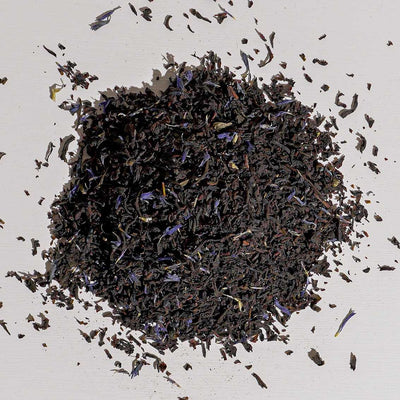
Black tea comes from tea leaves that are completely oxidized. After they're picked, they get a bit of time to wither, get rolled, and then get fully oxidized. And during the oxidation process, the leaves darken in color and develop a richer taste along the way.
Black tea tends to produce a full-bodied cup with a richer taste and robust flavor. Lots of black tea packs have notes of malt, cocoa or dried fruit - it really is a treat. This tea the most consumed tea in many cultures - India, USA, UK, and bits of Europe especially.
Because it undergoes full oxidation, it's got a stronger flavor and a darker liquor than other tea types. And that's exactly what makes it the go-to choice for people who want a bold and energizing healthy drink.
If you're looking for a black tea that's just right for you, check out our full selection of premium black teas - we've got loads to choose from.
What is Green Tea?

Green tea comes from the same plant as black tea, camellia sinensis - which is pretty convenient, all things considered. The main difference between black and green tea lies in the way they get processed. Green tea is handled with the utmost care, minimal processing in order to preserve the leaf as close to its natural state as humanly possible.
Right after it's been picked, what the producers do is give the leaves a dry heat either by pan firing or steaming. This process stops oxidation and keeps the leaf vibrant green. And when you brew it up, the result is a pretty light cup with some lovely grassy notes and a refreshing aroma.
Green tea gets picked from the tea plant in China, is quickly dried to preserve its bright green color, and is celebrated for its elegant flavors and high polyphenol levels.
Japanese green teas tend to bring out the freshness in the tea leaves, while Chinese styles often have nutty or toasted notes. Green tea tastes delicate, balanced and clear.
Browse our carefully curated green teas to find one that suits your taste and the occasion - we've got a real variety of styles and flavors to try.
Flavor Comparison
When you put a black tea and a green tea side by side, the difference is pretty clear. Black tea is all about rich bold flavors and a deep rich color in the cup. People often notice that it has a full bodied texture and a lingering finish in the mouth.
Green tea on the other hand is all about light fresh flavors with a gentle sweetness and a bright aroma. It often has grassy notes or a hint of umami. Both green tea and black tea deliver complexity but in pretty much opposite ways.
It's all down to personal preference really. Some people love the comforting strength of black tea, while others prefer the clarity of green tea.
Flavor Aspect |
Black Tea |
Green Tea |
|---|---|---|
Overall flavor |
Rich, bold, and robust |
Light, fresh, and delicate |
Body and mouthfeel |
Full bodied with a heavier texture |
Lighter body with a clean finish |
Aroma |
Deep and warming |
Bright and refreshing |
Common flavor notes |
Malty, earthy, sometimes slightly sweet or smoky |
Grassy, vegetal, gently sweet, sometimes umami |
Finish |
Lingering and strong |
Crisp and clean |
Best for |
Those who enjoy comforting, strong flavors |
Those who prefer clarity and subtle complexity |
Caffeine Comparison
Caffeine content is often the biggest reason people compare green tea and black tea. In general, black tea contains noticeably more caffeine per cup, though the exact amount can vary based on leaf size, tea grade, and how long you steep it.
On average, an 8 oz cup of black tea contains about 40 to 70 mg of caffeine, while green tea typically provides 20 to 40 mg per cup. Because of this higher range, black tea is often associated with a stronger morning energy boost and a more coffee like effect.
Green tea, while lower in caffeine, naturally contains L theanine, an amino acid that promotes calm focus. This combination tends to produce a steadier, smoother lift without the sharp spike or crash some people experience with higher caffeine drinks.
If you are looking for a more noticeable caffeine kick, black tea is usually the better choice. If you prefer gentle energy with sustained focus and fewer jitters, green tea tends to fit better into daily routines.
Tea Type |
Average caffeine per 8 oz cup |
Energy feel |
Best for |
|---|---|---|---|
Black tea |
40 to 70 mg |
Strong and stimulating |
Morning energy or coffee replacement |
Green tea |
20 to 40 mg |
Gentle and steady |
Calm focus and all day drinking |
Health and Lifestyle Comparison

Both green and black tea are super popular choices for a drink that's good for you. Green and black tea have their fair share of natural polyphenols - and so often find their way into health focused lifestyles. Of course, the health benefits of either tea depend on what you're after rather than which one is better.
When it comes to weight management and feeling generally pretty good, green tea often gets a mention. Most of the time though, both black and green tea are just considered a healthy part of a balanced diet and daily routine.
But some people are more interested in green tea because of its metabolic properties thanks to its natural chemicals. Everyone reacts differently depending on what they eat, how they live and so on, so that's pretty crucial to bear in mind. Green tea's got some pretty powerful catechins - and EGCG is one of the big ones - and all those give it a pretty impressive antioxidant profile that's got a lot of people really interested.
On the other hand, having too much of either tea may cause issues with iron absorption from your food. People really do enjoy both green and black tea for their caffeine content and other natural goodies they contain - and lots of people think that caffeine really helps them stay focused and mentally sharp.
To be clear though, neither tea's a fix to your needs - so just incorporate them into your daily routine and see how it goes. Ultimately, it's just a matter of taste, how much caffeine you can handle and just what suits your lifestyle.
Lifestyle factor |
Green tea |
Black tea |
|---|---|---|
Antioxidant profile |
High in catechins, including EGCG |
Rich in theaflavins and thearubigins |
Common wellness appeal |
Often associated with metabolism and balance |
Often linked to alertness and daily energy |
Caffeine level |
Lower to moderate |
Moderate to higher |
Focus and mental clarity |
Calm, steady focus due to L-theanine |
Sharper stimulation from higher caffeine |
Weight management interest |
Frequently mentioned in health focused routines |
Less emphasized but still fits balanced diets |
Iron absorption considerations |
May reduce iron absorption if consumed with meals |
Same consideration applies |
Best suited for |
Those wanting gentler daily support |
Those wanting a stronger energy boost |
Brewing Behavior Comparison
Black tea puts on a different show in hot water compared to green tea. With black tea, the flavor really starts to kick in right from the off, especially when brewed at 95 to 100°C (203 to 212°F). The color of the liquor deepens the longer it steeps, usually over 3 to 5 minutes, producing a bold aroma and a full bodied cup.
Green tea requires more care. Lower water temperatures of around 70 to 80°C (158 to 176°F) help preserve delicate aromas and prevent bitterness. When steeped for just 1 to 3 minutes, green tea brews up light and smooth with a fresh, clean finish. These differences in brewing behavior are why black tea tends to taste stronger, while green tea comes across softer and more delicate in the cup.
Brewing factor |
Black tea |
Green tea |
|---|---|---|
Ideal water temperature |
Boiling water (around 95–100°C) |
Lower temperature (around 70–80°C) |
Steeping time |
3 to 5 minutes |
1 to 3 minutes |
Flavor development |
Intensifies quickly and deepens with time |
Builds gently and stays light |
Risk of bitterness |
Lower, even with longer steeping |
Higher if water is too hot or over-steeped |
Color in the cup |
Dark amber to deep brown |
Pale yellow to light green |
Overall brewing style |
Forgiving and bold |
Delicate and precise |
Which Tea Is Better for Daily Drinking
Both black and green tea are great for daily drinking - it all comes down to your routine and what you're in the mood for. If you like a strong cup with loads of caffeine to get you going in the morning or at work, then black tea is a no brainer. On the other hand, if you're looking for something a bit more laid back to sip at lunch or when you just want to relax, then green tea is your best bet.
If the rich, bold taste of black tea is what floats your boat - and it's worth trying out to be honest - then start with black tea. Take a look at our curated Best Black Teas - we think you'll find a few that'll become new favorites.
And if, on the other hand, you're more of a 'less is more' kind of person who likes a lighter daily cup with a hint of grassy notes and a bit of sweetness, then green tea is perfect for you. Give our Best Green Teas a browse - we've got some of the most vibrant green teas out there that are sure to tickle your fancy.
Which Tea Is Better for Beginners
Newcomers to the world of tea often find green tea an easier intro because it has this delicate taste and doesn't have the same bitter taste if you brew it just right. Plus the smell is so fresh and clean its like a breath of fresh air.
Black tea can be more of a comfort for coffee lovers because it's got a full rich flavor that's pretty hard to ignore. And if you do it right (with quality leaves and proper brewing) either black or green tea will make a new tea drinker feel right at home.
Which Tea Should You Choose

When making a choice between green and black tea its not about following a set of rules - its about how your lifestyle fits with tea. Ask yourself how much caffeine you need, what kind of flavors you like, or even when you like to sit down with a cup of tea.
Green or black tea both belong in a balanced tea shelf. There are loads of people who flip between the two all day long or throughout the week
FAQs
Which is healthier green tea or black tea?
Both teas are pretty popular for good reason and they've also got their fair share of antioxidants - the good beverage that keeps us going. Green tea tends to suit a more laid back lifestyle while black tea is often the go-to for a stronger taste and a caffeine kick.
Is it better to drink black tea or green tea at night?
Green tea is usually the safe bet if you're drinking it before bed, just because it's got less caffeine. Then again, some people still swear by a caffeine free option after dark.
How much caffeine in green tea vs black tea?
Black tea contains more caffeine than green tea. On average, an 8 oz cup of black tea provides about 40 to 70 mg of caffeine, while green tea typically contains around 20 to 40 mg per cup. The exact amount can still vary depending on the type of leaves used, water temperature, and how long the tea is steeped.
Is green tea the same as black tea?
Both come from the same plant, but they go about their processing in a pretty different way. Green tea is basically unoxidized while black tea is fully oxidized. And just to throw in some more variety, oolong and white tea also come from the same plant but with different processing methods giving them different flavor profiles.
Does black tea taste stronger than green tea?
Yes. Black tea generally has a stronger flavor with a richer taste and deeper color, making it a bit more full on.
Final Notes
Ultimately black tea and green tea come down to a few things - processing, taste and how you plan to use it in your daily routine. Black tea is one that serves up bold and uncompromising flavors and a bit of boost from the caffeine, making it the perfect choice for anyone who needs energy to get going in the morning.
Green tea, on the other hand delivers a taste that's all about freshness, balance, and gentle energy - and is just the thing when you're looking for a moment to unwind and maybe a bit of a refresher without feeling overstimulated in the process.
Both of these teas have their own unique health benefits and come from long and rich traditions of the tea world so exploring all of the different varieties out there can be a pretty fun experience. Whether you are one of those people who loves the rich, malty notes of black tea or someone who prefers the delicate, grassy flavors of green tea, there is a perfect cup of tea just waiting for you. Explore Taste of Tea and see which one fits in with your daily routine best.
Behind the Cup

Patrick R.
Patrick is a tea enthusiast who enjoys writing about tea and exploring its rich history, culture, and flavors. He contributes to Taste of Tea by sharing his thoughts, discoveries, and personal insights into the world of tea.
Further reading