What is chai? Chai is black tea simmered with warming spices, milk and a sweetener. The word chai simply means “tea” in Hindi and Urdu, and the spiced drink most Americans call chai tea is properly called masala chai, or “spiced tea.” Unlike tea you steep in a mug, traditional chai is brought to a rolling boil on the stove, simmered and then strained, and every household, region and chai vendor in India makes it a little differently. This guide is written for anyone who has ordered a chai latte or seen chai tea on a shelf and wondered what is actually in it, because knowing what goes into chai helps you choose a blend you will enjoy and order the drink you actually want.
Three ways to try chai, from classic masala to caffeine-free:

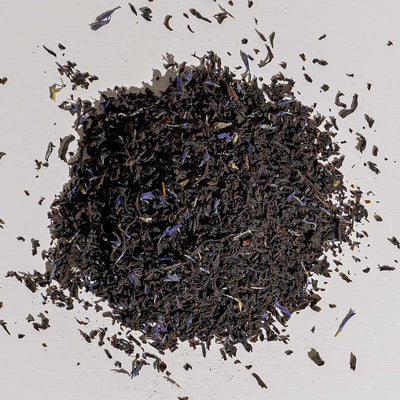
Culinary Teas Masala Chai Black Tea
Classic masala chai, loose leaf black tea with whole spices, 1 oz


Harney & Sons Organic Rooibos Chai Tea
Caffeine-free rooibos chai, loose leaf, 4 oz tin
Free gift: on a first order, add $25 of Culinary Teas and a free silicone tea infuser is added to your cart. How it works
Not sure what to pick? Take our 6-question tea quiz, or see our best chai teas.
A cup of chai is a moderate-caffeine drink because it starts with black tea, and its flavor depends on the spices, the tea and how sweet and creamy it is. Below: what goes into masala chai, where it comes from and the main types of chai tea you will find.
What Is in Masala Chai?
Masala chai has three parts: a strong black tea, a spice blend (the masala) and milk with a sweetener. Most chai recipes boil them together in one pot, so the tea and spices flavor the milk directly instead of being added at the end.

The Tea Base
Most recipes use strong, malty black tea leaves that hold up to milk and spices. Assam tea, often as small CTC (crush, tear, curl) granules, is the classic choice in India because it brews dark and brisk. Some blends use Darjeeling tea, Nilgiri or Ceylon black tea, and newer blends swap in green tea, white tea or caffeine-free rooibos. You will find chai as loose leaf tea and in tea bags.
Chai Spices: Green Cardamom, Ginger and More
| Spice | What it adds |
|---|---|
| Green cardamom | Floral, slightly sweet aroma; the signature chai spice |
| Ginger | Sharp heat; many Indian homes use fresh ginger root |
| Cinnamon | Sweet warmth |
| Cloves | Deep, slightly bitter warmth |
| Black peppercorns | A gentle peppery bite |
| Fennel seed and star anise | Licorice-like sweetness |
| Nutmeg | Soft, nutty warmth |
Not every recipe uses all of them. Many families make chai with just ginger and cardamom, while blends from tea companies often add fennel, star anise, nutmeg, vanilla or orange peel. Different spices give each cup of chai its own character.
Whole Spices, Ground Spices and Chai Masala
Chai can be made with whole spices or ground spices. Whole spices, such as lightly crushed cardamom pods, a cinnamon stick, whole cloves and black peppercorns, simmer with the tea and are strained out with the leaves. Powdered spices are often sold premixed as chai masala, a spice mix from Indian groceries that is stirred into the pot. Whole spices give a cleaner flavor in the cup; chai masala is quicker and stronger.
Milk and Sugar
Whole milk is traditional; in parts of India chai is made with water buffalo milk, which is even richer than whole milk, and oat or other plant-based options work too. The usual sweetener is added sugar or jaggery, an unrefined cane sugar, and some people use honey. How much sugar goes in depends on who is making it, and café chai drinks often carry more added sugar than homemade chai.
Where Does Chai Come From?
Chai comes from India. Spiced drinks made with ginger, pepper and other spices have a long history in Indian kitchens, but black tea is a newer addition. During British colonization, companies from Great Britain set up tea plantations in Assam in the 19th century, mostly to grow tea for export.
In the early 20th century, India’s tea industry started promoting tea to people in India itself. Chai vendors, the chai wallahs, made it their own by boiling tea with milk, sugar and spices in big kettles and serving it in small glasses or clay cups. Over the following decades masala chai became the everyday drink it is today, served at home, at railway stations and on street corners across India.
By the 1990s chai had reached American coffee shops as the chai latte, usually made from a sweetened chai concentrate and frothed milk. Today you can drink chai as loose leaf tea, in tea bags, as a concentrate or as a café latte.
Types of Chai
Chai covers a whole family of spiced tea drinks. These are the main types you will find, from Indian classics to café drinks:

- Masala chai. The classic: black tea, spices, milk and sugar simmered together, then strained.
- Adrak chai and elaichi chai. Simpler home styles named for one spice: adrak means ginger and elaichi means cardamom.
- Cutting chai. A small, strong half-glass of chai served at street stalls in Mumbai.
- Kashmiri chai (noon chai). A pink, salty tea from Kashmir, made with green tea leaves, milk, salt and a pinch of baking soda.
- Irani chai. A rich, creamy style served in the Irani cafés of Hyderabad and Mumbai.
- Chai tea bags and loose leaf chai. Dry blends of tea and spices that you steep in boiling water like regular tea, then add milk and sugar to taste. To make your own chai on the stove, see our guide on how to make chai tea.
- Chai concentrate. Strong, usually sweetened chai sold in cartons and mixed with milk, a shortcut many cafés use.
- Chai latte. The café chai tea latte: chai concentrate or brewed chai with steamed milk, usually sweeter and milder than masala chai.
- Dirty chai. A chai latte with a shot of espresso, a coffee shop favorite.
- Iced chai. Chai poured over ice for a cold drink.
- Rooibos and herbal chai. The same chai spices with rooibos or other caffeine-free herbs instead of tea, for a spiced drink without caffeine.
- Green and white tea chai. Lighter blends that pair the spices with green or white tea.
Chai Tea at a Glance
Each of these topics has its own guide. Here is the short version.
Chai vs tea. The word chai comes from the Chinese word cha, and because chai means tea, “chai tea” is a little redundant. Our chai vs tea guide explains when the word means plain tea and when it means masala chai.
Taste. Chai tastes sweet, creamy and warmly spiced, with a malty black tea backbone; cinnamon and cardamom lead the flavor. Read more in what does chai tea taste like.
Caffeine. A cup of black tea chai usually has about 30–70 mg of caffeine, less than the roughly 95 mg in a regular cup of brewed coffee; rooibos chai has none. Details in does chai tea have caffeine.
Making chai. Preparing tea the chai way means bringing tea and spices to a boil in water and milk, simmering for about 10 minutes, then sweetening and straining. The full recipe, with chai recipes for a latte and an iced version, is in how to make chai tea.
Choosing a chai. Our best chai teas guide compares masala, vanilla, rooibos and other chai tea blends.
FAQs
Is chai the same as a chai latte?
Not quite. Masala chai is tea, spices and milk simmered together in one pot. A chai latte, or chai tea latte, is a café drink made from chai concentrate or brewed chai topped with frothed milk, and it is usually sweeter and milder.
Is chai always made with black tea?
Traditional masala chai is, usually with a strong Assam tea. Many chai blends now use green tea, white tea or caffeine-free rooibos with the same spices.
What does masala mean in masala chai?
Masala means a blend of spices, so masala chai simply means spiced tea.
Where did chai originate?
In India. Spiced drinks made with ginger and pepper are an old part of Indian home cooking, while black tea chai spread across the country in the 20th century, when tea stalls began boiling tea with milk, sugar and spices.
Final Thoughts
So, what is chai? It is black tea simmered with spices, milk and sugar, India’s everyday tea and the base of the chai latte. Cardamom, ginger, cinnamon, cloves and black pepper give masala chai its flavor, and the tea, spices and sweetness change from one cup to the next, so it is worth trying a few blends to find your own favorite. This guide is about what chai is, and it makes no health claims.
Ready to try it? Browse our chai tea collection, or take the 6-question quiz to find a tea that suits you.
Behind the Cup

More about chai
- Best chai teasBuying guide
- Does Chai Tea Have Caffeine?
- How to Make Chai Tea at Home, From Scratch
- What Does Chai Tea Taste Like?
- Chai vs Tea: Are They the Same?
- Chai Tea Benefits
More flavored teas: Best fruit teas · Best jasmine teas