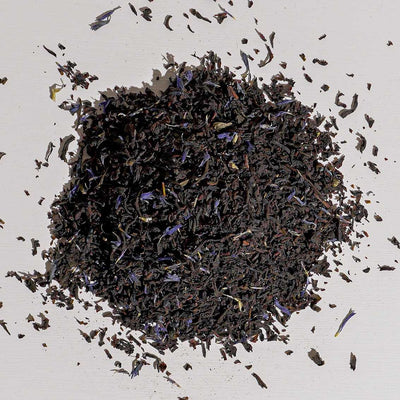
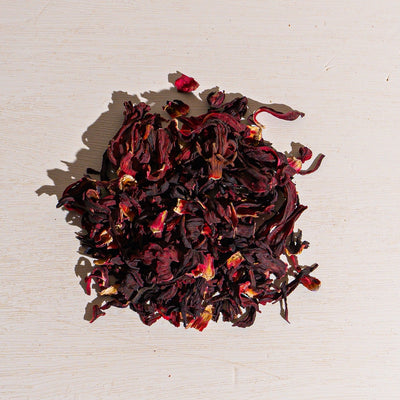
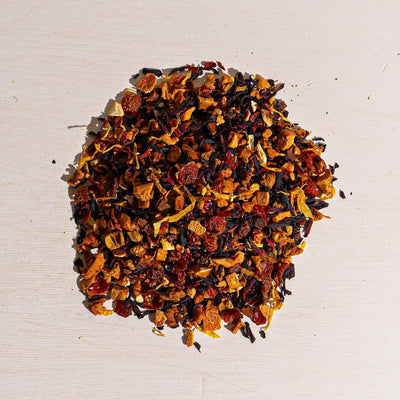
Fruit tea is a big deal because it lets the flavors come through first, without relying on loads of sugar, syrups or other heavy extras. By 2026, a lot of tea drinkers are looking for drinks that are refreshing, can be enjoyed hot or cold, and don't feel too heavy. Fruit tea hits the spot with its bright aroma, natural sweetness and the flexibility to brew it however you like.
The world of fruit tea has expanded to include herbal tea, loose leaf, tea bags and all sorts of blends built on green tea, black tea, white tea and oolong tea. From mango and peaches to berries and citrus, fruit teas show up as iced tea, cold brew or a good old-fashioned hot cup.
When compiling this guide we looked at what's selling well, customer reviews, ingredients, consistency of flavor, and just how easy it is to get your hands on them - to pick out the top fruit tea options worth trying in 2026.
What are Fruit Teas?

Fruit tea is a catch-all term that includes all sorts of tea blends made from dried fruits, herbs, spices and sometimes the real thing - actual tea leaves from the Camellia sinensis plant. While some fruit teas are caffeine-free herbal blends, others turn to green tea, black tea, white tea or oolong to give the drink some backbone.
Unlike juice, fruit teas get their flavor from the dried fruits and tea leaves - that's what makes them so unique. Fruits like mango, peach, pineapple, berries and a splash of citrus peel really bring out the sweetness and a bit of acidity in the tea.
You can drink fruit tea hot, iced as a refreshing iced tea, or even as a cold brew. The great thing is that many blends are perfect for loose leaf, while others are more suited to the convenience of a tea bag or pyramid tea sack.
Best Fruits That Go Well With Tea
Because fruit and tea go hand in hand, lots of fruits get paired with tea to enhance its natural aroma, cut through any bitterness - and add a bit of sweetness that doesn't overpower the tea leaves.
The best fruit tea blends are the ones where the fruit enhances the tea instead of overpowering it. When the balance is right, many fruits naturally complement tea — which is why they’re so commonly found in premium fruit tea blends.
The fruity flavor you end up with depends as much on the tea underneath as on the fruit itself, and ripe fruit carries more intense flavor than underripe, which is why blenders use it. A quick guide to what pairs with what:
- Apple — a classic partner for cinnamon, usually over a black or herbal base, for a warm and comforting cup.
- Peach — equally at home on black tea or a darker oolong, where ripe stone fruit rounds out the malt.
- Mango — tropical and sweet, and happiest over green tea or a floral base.
- Pineapple — bright and sharp, and often softened with a caramel note over green tea.
- Passion fruit — adds a tart tropical edge and turns up a lot in iced tea blends.
- Strawberries — light and fresh, and a natural match for green or white tea.
- Raspberry — sweet-tart, and often paired with hibiscus for colour.
- Blueberries — mellow and jammy; berry blends usually lean on hibiscus for their tang.
- Cherries — a robust fruit that stands up well to black tea.
- Lemon — citrus adds zest and works especially well with black or green tea.
- Orange — another citrus that holds up to black tea, with blood orange bringing extra depth.
- Pears — soft and sweet, and frequently blended with apple and warm spice.
- Hibiscus — botanically a flower rather than a fruit, but it behaves like one in a blend. Hibiscus tea has a tart, cranberry-like taste and a vibrant red colour, which is why so many caffeine-free blends lean on it — it works on its own or alongside tropical fruit like mango.
One buying tip worth keeping: look for blends that list identifiable dried fruit pieces on the label rather than only «natural flavors» or «fruit powder». Visible fruit pieces, petals and whole leaves are the easiest sign of what you are actually getting — the ingredient list tells you more than the name on the front.
11 Best Fruit Teas in 2026
1. Beach House - Apple Orchard Cider

Brand Overview: Beach House Tea is based in Long Beach Washington. A family business that really gets its inspiration from the natural beauty of the Pacific Northwest. They make a pretty big deal out of crafting small-batch, handmade loose leaf teas with only the best organic and wild picked ingredients they can get their hands on, to ensure every cup is as fresh as possible.
Flavor & Experience: This seasonal blend is all about the Apple - with a supporting cast of pear and some warm spices that bring out its sweetness. The fruit really complements the rooibos base, creating a deep, comforting flavor with a nice gentle warmth and a texture that's just ridiculously smooth and comforting.
Brewing & Serving Notes: Put about a teaspoon of Apple Orchard Cider in a teapot or infuser and pour hot water over it for a real treat. As the tea brews the apple and pear start to blend in with the spices and the whole thing just comes together to create this amazing comforting aroma.
2. Tea with Tae - Fruit & Berry Oolong

Brand Overview: Tea with Tae has a reputation for mixing up some tasty blended teas - oolongs, greens, and blacks that are easy on the nose but serious about quality. The format is the distinctive part — mini tubes of pyramid bags rather than a loose pouch, so portioning stops being something you think about. All without sacrificing a single cup's worth of flavor.
Flavor & Experience: This blend is truly exceptional, combining tea leaves that have a floral vibe with dried fruit and hibiscus to give you a true taste of the great outdoors. There's a sweetness and a depth of color from the berries and stone fruits that makes the oolong less floral and more juicy. The result's a smooth cup that's got a bit of structure to it.
Brewing & Serving Notes: Steep one sachet of Fruit & Berry Oolong in hot water and watch as the flavors come alive. The longer it steeps, the more of the floral and fruity notes come through - but even after a minute or two, it's still a nice, smooth cup that's perfect on its own or lightly chilled.
3. August Uncommon Tea - Big Easy Pineapple Caramel Green Tea

Brand Overview: Based in California, August Uncommon Tea is a brand that really stands out from the rest in the world of tea. They're not afraid to think outside the box and dream up some seriously imaginative blends. Helping to lift the flavor and offering up some pretty useful brewing tips are what August Uncommon Tea is all about.
Flavor & Experience: The pineapple does a pretty great job of adding a bit of brightness to this green tea, and the caramel notes add a real richness and depth to the whole thing. But here's the thing - the pineapple doesn't overpower the sencha base. Instead, it enhances the tea's sweetness just enough, without drowning out the rest of the flavor.
Brewing & Serving Notes: Place about two teaspoons of Big Easy Pineapple Caramel Green Tea in a teapot or infuser and pour hot water over it - its aroma will just leap out at you. You'll taste the pineapple sweetness first, then it gets gradually replaced by these lovely warm caramel tones which really do soften out the green tea base a bit. The texture is kind of rich, yet somehow still feels really clean, making it perfect for enjoying as a hot cup or a refreshing iced tea.
4. Pinky Up - Mango Guava Boba

Brand Overview: Pinky Up Tea is a US-based company that's all about whipping up some seriously fun and tasty tea blends. They're passionate about using real ingredients along with a bunch of quirky fruit flavors to create teas that are perfect for sipping on the daily or for when you just want to curl up with a good cup of tea.
Flavor & Experience: You'll be hit with the sweet and tropical goodness of mangos and guavas. These gorgeous fruit flavors get to live on top of a smooth, rounded base made from honeybush and rooibos. It's naturally caffeine free. The result is a playful, almost dessert-like tea experience that's just begging to be sipped on.
Brewing & Serving Notes: Pour hot water over one sachet of Mango Guava Boba and the tropical goodness will start to waft out at you. As it steeps mango and guava sweetness start to balance out the smooth rooibos and honeybush base, and the tapioca pearls, prepared separately and dropped in, add the chew that makes it boba rather than just a fruit tea.
5. iLOLA - Strawberry Seduction No. 16

Brand Overview: iLOLA press their loose leaf into discs — one disc to a cup, no scooping and no guessing at how much to use. The leaf underneath is Kenyan, which is a stronger base than most fruit blends bother with.
Flavor & Experience: Ripe strawberry over that bold Kenyan black, with a cocoa note sitting behind it that pushes the whole cup toward dessert territory. The fruit reads as fruit rather than as syrup, which is not a given in this category.
Brewing & Serving Notes: One disc per cup, boiling water, three to four minutes. It takes milk comfortably if you want to lean on the chocolate side of it. Fourteen discs to the box, so it works out as a fortnight of daily cups.
6. Gardenika - Lemon Spearmint Tea

Gardenika Lemon Spearmint Tea, Loose Leaf, USDA Organic, Kosher, Caffeine Free – 4 Oz (113g) Herbal Tea
Brand Overview: Gardenika has a real focus on keeping things simple and pure - they only use USDA Organic and Kosher certified teas. They work directly with the growers they buy from, which is easier to verify than most sourcing language. They keep things simple by using only the finest, minimally processed ingredients - and it shows.
Flavor & Experience: When you drink this tea the first thing you notice is how clean and cool it is, the lemon peel and lemon myrtle really make it pop with that bright citrusy flavor that wakes the whole cup up. But then the spearmint kicks in and keeps the whole thing feeling really refreshing. The lemon really is just adding a bit of supporting depth to the tea - it doesn't overpower the other herbal notes at all.
Brewing & Serving Notes: Pour boiling water over about a teaspoon of Lemon Spearmint Tea and you'll start to get a nice gentle aroma of citrus and mint. As it steeps, the first thing you'll notice is that lovely bright lemon flavor - but then the spearmint starts to kick in and it starts to feel really light and crisp. Even though it's a really refreshing tea it still feels nice and smooth - so you can enjoy it hot or over ice - your choice.
7. Plum Deluxe - The Self Care Blend (Elderberry Apricot)

Brand Overview: Plum Deluxe has been based in Portland since 2008, making small-batch loose-leaf teas with a real knack for blending traditional techniques with unexpected flavors. Their handcrafted blends have got a devoted crowd of tea lovers hooked.
Flavor & Experience: The apricot sweetness pretty much takes the edge off the elderberry, and the honeybush base just keeps things smooth as silk. The fruit notes all work together to give you a cup that's just mellow, with a lovely warm aroma that makes you want to just sit back and sip. Worth saying plainly: «The Self Care Blend» is Plum Deluxe's name for the blend, not a claim about what it does for you.
Brewing & Serving Notes: Pour boiling water over a teaspoon of The Self Care Blend and as it brews, let the fruity flavors just start to come together. You get this smooth, rounded body, and a mix of apricot sweetness and elderberry tartness - and it all just feels really nice in the cup.
8. Danfe - 101° Peach Green Tea

Brand Overview: Danfe Tea is a Dallas based tea brand, they're all about high-altitude loose-leaf teas from Nepal's Himalayas. They've got a pretty cool commitment to fair sourcing of these teas which we think really makes them stand out, especially for people looking for a unique and authentic tea experience.
Flavor & Experience: The peach adds this lovely soft sweetness and some really nice aromas to their Himalayan green tea blend. The tea itself has this lovely fresh green tea taste that's really clean and grassy, and the hibiscus adds some really subtle tang and a bit of color to the mix.
Brewing & Serving Notes: Steep tea leaves of 101° Peach Green Tea in hot water and let the peachy aroma come on out. As it brews it starts to balance out a bit, with a bit of sweetness to the fresh green tea taste that makes it really smooth and pleasant to drink.
9. Plum Deluxe - Sweet Georgia Peach

Brand Overview: Plum Deluxe turn up a second time on this list. Where the Self Care Blend further up goes floral and gentle, this one heads straight for the fruit bowl.
Flavor & Experience: Stone fruit peach on a smooth black base, with caramel and a walnut note underneath it — Plum Deluxe list the walnut as part of the blend's natural flavouring rather than as a separate ingredient. That note is what separates it from every other peach tea going: it gives the cup a bottom end that fruit blends usually lack entirely. If you avoid tree nuts, read the full ingredient list on the product page before buying.
Brewing & Serving Notes: Boiling water, three to four minutes. Good hot, and it holds up chilled over ice without going thin, which is the usual failure of a peach blend. Takes milk if you want to push the caramel forward.
10. Piper and Leaf - Orchard Peach Muslin

Brand Overview: Piper and Leaf is a family business out of Laceys Spring, Alabama, that's made a name for itself with its Southern-style teas. They mix up all sorts of unique blends using fruits, herbs, and spices to put a creative twist on traditional tea. They're all about capturing the spirit of the South in every cup.
Flavor & Experience: The star of this show is definitely peach - it's the one that really takes center stage here. But then you get this lovely support from pineapple, papaya, and rosehips that really add some depth and a bit of brightness to the mix. The whole thing smells just amazing, with a really vibrant, floral quality to it.
Brewing & Serving Notes: Pour boiling water over loose leaf Orchard Peach and watch the amazing fruit-forward aroma come alive. As the brew deepens in color, you'll start to pick up on some really nice notes of peach, pineapple, and florals too. And the texture? It's just full and juicy, which makes for a really refreshing cup that's perfect whether you drink it hot or over ice.
11. Harney & Sons - Blood Orange Fruit Tea

Brand Overview: Harney & Sons have been perfecting tea-making since 1983, and they describe their sachets as plant-based; whether those can go in your compost depends on what your local scheme takes. That long track record has won them a ton of devoted fans across the globe.
Flavor & Experience: Blood oranges are front and center in this bright, fruity blend, along with apples, hibiscus and rosehips which really make the colors show. The citrus is what really brings the party, adding that perfect balance of sweet and tart - but don't let that get in the way of the other fruits doing their thing, they add a richness to the whole cup without overpowering it.
Brewing & Serving Notes: Steep a scoop of Blood Orange Fruit Tea in hot water and watch it come alive - that color just explodes and the citrus aroma takes over. When you brew it out, the orange tones start to deepen up and the hibiscus adds this depth of flavor while leaving just a hint of tang. All in all it feels really light and juicy, which is pretty perfect whether you drink it piping hot or chilled as an iced tea.
Brewing Tips for Fruit Tea
- You'll get a lot more out of your fruit-forward tea blends if you give them a longer steeping time - just keep in mind that how long you steep will depend on whether you've got any tea leaves in there.
- Loose leaf tea is really great for getting the intensity just right, whereas if you're working with tea bags or sachets, it's all about the convenience.
- Cold brew is a real winner when it comes to fruit tea - it'll give you a nice smooth, refreshing drink that's not too bitter at all. Brew it with cold water in the fridge at 4°C / 40°F for six to twelve hours rather than on the counter, keep it refrigerated afterwards, and drink it within three days. Cold brewing green tea with a few pieces of fresh fruit is one of the easiest refreshing drinks you can make this way.
- If you've got a green or white tea as the base of your fruit tea, try a lower water temperature - it'll help keep all the delicate flavors intact.
- Having a decent infuser, teapot, French press or even an infuser mug can really make all the difference in how your tea tastes, especially if you're preparing it as a hot cup or a refreshing iced tea.
- When it comes to iced tea, make sure to brew it a bit stronger than you normally would - that way it won't lose its flavor when you add ice.
Loose Leaf vs Bagged Fruit Teas: Which One Should You Choose?

Loose Leaf Fruit Tea
Loose leaf fruit tea is like a big party in your cup - whole leaves, actual dried fruits, herbs and spices all get to mingle together. During steeping, they get to unfurl and let loose, letting out richer flavors and aromas. And that's the beauty of it - the leaves and fruit just keep on giving as long as they're still in one piece.
Because the leaves and fruit pieces are all good and chunky, the flavor is usually more vibrant and complex - the kind of taste you get from real, genuine fruit ingredients. You'll often find loose leaf in tins or pouches that are designed to keep it all nice and fresh for you.
And brewing it up with a tea infuser or in a teapot lets you have total control over how long and how strong you like it. Plus, eliminating those tea bags, strings and staples can be a big plus, depending on how you're packaging and brewing things.
Bagged Fruit Tea
Bagged fruit teas are a big convenience win: they just cram the chopped up tea leaves and fruit pieces into these tiny tea bags or pyramid-shaped packets. And because they've been mangled into tiny bits, it makes it easier for that flavor and aroma to come out while you're steeping it- which helps the whole thing smell amazing.
Which is basically why bagged teas are perfect for preparing a quick cup. Loads of brands have started avoiding the staples and using plant-based bags instead. What to do with them afterwards depends on your local scheme - the bag itself does not tell you.
And although they may not have the same depth of flavor as loose leaf (just a bit less complex really) they're still a very popular choice for someone who just wants a tasty cup of tea and doesn't want to have to mess around with loads of extra kit.
FAQ
What fruit tea is best for you?
It depends on what you're in the mood for - something caffeine-free for the evening, or a bit of a kick in the morning. Some people swear by herbal fruit teas for unwinding in the evenings, while those preferring a more energizing cup go for blends with green tea or black tea.
Which tea is better for fruit tea?
Green tea's light profile makes it a natural pairing for fruit, while oolong and white tea fans also win out in this category. For a richer, more indulgent fruit tea though, black tea is a great choice - especially when combined with peach, mango, or citrus flavors.
Are fruit-flavored teas good for you?
Brewed plain, a fruit tea sits close to flavored water. In most blends the sweetness you taste comes from dried fruit rather than added sugar, though some do use candied fruit or sweeteners — the ingredient list is the only way to know for a given blend. This describes what is in the cup, not health advice.
Final Notes
By 2026, fruit tea has moved well beyond simple berry blends toward craft profiles built on stone fruits and speciality citrus. Everything from artisanal loose leaf blends to convenient tea bags are out there waiting to be tried. And the best part? there's a fruity tea out there for every taste and every routine.
Most brands now make it super easy to find your perfect match by letting you filter and search for fruit teas by flavor and caffeine content on their websites. Which means you can quickly find the tea that'll become your new favorite.
For those of us who love the delicate taste of white peony or the rich taste of oolong tea, fruity teas offer a ton of exciting mix options that'll elevate every single cup. So go ahead, browse the selection on Taste of Tea and discover your next favorite blend!
Behind the Cup

Further Reading