Chai tea tastes far better made from scratch than anything you pour from a carton, and a traditional-style masala chai is genuinely simple to make. You simmer strong black tea with a handful of whole spices in water, add milk and a little sweetener, bring it back to a simmer, then strain. That's the heart of masala chai, and everything else on this page — the latte, the iced version, the concentrate you batch for the week, the tea-bag shortcut, and a Starbucks-style version — is a variation on that one idea.
Below is the full recipe with practical ratios for a two-serving batch, plus every version people usually search for, so you can stop bouncing between recipes and make this drink your way. This follows a widely used stovetop method for homemade masala chai — one of those Indian recipes passed down at home — and once you learn it you'll rarely go back to a bag. It scales cleanly from a single cup to several cups for the whole table.
| Version | Best for | Time |
|---|---|---|
| Masala chai (from scratch) | The real, spiced cup | ~15 min |
| Chai tea latte | Frothy, café-style | ~15 min |
| Iced chai latte | Hot days | ~15 min + chill |
| Chai concentrate | Batch for the week | ~25 min |
| Tea-bag shortcut | Busy mornings | ~5 min |
What Is Chai Tea (and Why "Chai Tea" Really Means "Tea Tea")
Here's a fun bit of trivia: chai is simply the Hindi word for tea. So when we say "chai tea," we're technically saying "tea tea." What most people picture — the spiced, milky, slightly sweet cup — is properly called masala chai, where masala means a blend of spices. So masala chai is spiced Indian tea, and it's the Indian style of preparation that took the whole world over.
That distinction matters when you're shopping. A tin labeled "chai" might be a spiced black tea blend ready to brew, or it could be plain black tea. If you want the classic Indian flavor, look for masala chai or a chai blend that lists the tea spices. If you're curious how this spiced drink compares to a plain cup of tea, we break that down in our chai vs. tea guide. Masala chai and other milk teas are widely enjoyed across India, with recipes varying by region, household, and vendor, and every Indian family seems to have its own spice ratio — which is why there are so many masala chai recipes rather than one fixed formula.
Ingredients for a Traditional-Style Masala Chai

The beauty of masala chai is that the ingredients are pantry-friendly. Here's what a solid cup is built on:
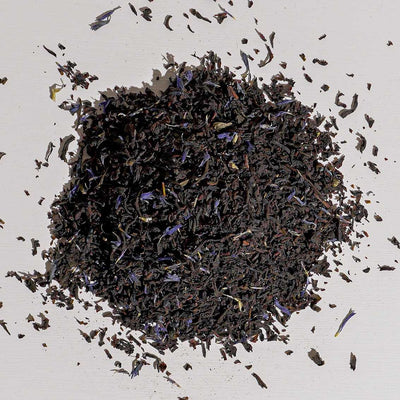
- Black tea — the backbone. A strong, malty black tea like Assam holds up to milk and spices without disappearing. Assam CTC (the little rolled pellets) is the traditional choice because it brews dark and brisk.
- Whole spices — green cardamom and ginger are almost always present, usually joined by cinnamon, cloves, and black pepper — and sometimes fennel, star anise, or nutmeg. Cardamom does most of the aromatic heavy lifting.
- Milk — whole milk gives the richest body, but any milk works, dairy or plant-based.
- Sweetener — sugar is traditional; honey or jaggery are lovely too. Many people finish the cup with honey instead of sugar for a rounder sweetness. Add your sweetener while the chai simmers so it dissolves fully.
- Water — chai is brewed in a mix of water and milk, not milk alone.
Start with the right base tea
Chai is only as good as the tea underneath it. A brisk Assam is the classic pick.
Assam Black Tea Black Tea Loose Leaf TeaWhole Spices vs Ground Spices vs Chai Masala Powder
You've got three ways to spice a cup, and they're not equal. Whole spices — cracked cardamom pods, a knob of fresh ginger, a cinnamon stick — release their oils slowly as they simmer, which gives chai that clean, layered aroma. This is the route most people prefer for a fresh cup.
Ground spices are faster and fine in a pinch, but they can turn the chai a little muddy and gritty if you're not careful with straining. A pre-mixed chai masala powder (a ready blend of ground spices) is convenient for batch work and gives a consistent result — handy if you make chai daily. A reasonable rule of thumb: whole spices for the freshest single cup, chai masala when you value speed and consistency.
How to Make Chai Tea From Scratch (Step-by-Step, ~15 Minutes)
This is the core recipe, with practical per-cup chai ratios you can trust. The amounts below make about two 8-ounce servings — you'll start with a bit more liquid, since some cooks off as it simmers. Simply double every amount for four.
| Ingredient | Amount (makes ~2 cups) |
|---|---|
| Water | 1¼ cup |
| Milk | 1¼ cup |
| Loose black tea (Assam) | 2 tsp (~4–6 g) |
| Green cardamom pods | 4, cracked |
| Fresh ginger | ½-inch piece (~5–8 g), sliced |
| Cinnamon stick | 1 (about 2-inch) |
| Cloves + black peppercorns | 2 each |
| Sugar (or to taste) | 2 tsp |
- Crush the spices. Lightly crack the cardamom pods and peppercorns with the flat of a knife or a mortar and pestle. Bruising them wakes up the oils.
- Simmer water and spices. Add the water, cracked spices, ginger, and cinnamon to a small saucepan. Bring to a gentle simmer over medium heat and let it go about 3 to 5 minutes so the spices infuse. Those few simmer minutes are what pull the aroma out of the whole spices, and skimping on those simmer minutes is the most common reason a cup of chai comes out flat.
- Add the tea. Stir in the black tea leaves and simmer another 2 minutes. This is where the color deepens, so keep the heat gentle and don't rush it.
- Add milk and sweetener. Pour in the milk and sugar. Bring it back to a gentle simmer — watch closely here, because milky chai loves to boil over.
- Aerate. Let it rise and pull the pan off the heat just before it climbs over, then return it. Doing this a couple of times, or ladling and pouring the chai from a height, builds a fuller flavor.
- Strain and serve. Pour through a fine strainer into your cups. Taste and adjust sweetness.
Total time is roughly 15 minutes. If it tastes thin, next time simmer the spices a touch longer rather than dumping in more tea, which mostly adds bitterness.
How to Make a Chai Tea Latte at Home

A chai tea latte is just masala chai with more milk and a frothier finish. Two easy routes:
The simmer method: Follow the from-scratch recipe above but shift the ratio toward milk — try 1½ cup milk to ½ cup water for two servings. Simmer as usual, strain, and you've got a creamy, latte-style cup.
The concentrate method: If you keep chai concentrate in the fridge (see below), pour a few ounces into a mug, then top with an equal amount of hot milk you've frothed with a handheld frother, a steam wand, or a French press. Sweeten to taste. This is the fastest way to a café-style cup on a weekday.
How to Make Iced Chai Tea (and Iced Chai Latte)

The trick with iced chai is not letting the ice water it down. So you brew it stronger than you think you need to (more tea, less water).
- Make a batch of masala chai at extra strength — for two servings, use about 3 tsp tea and drop the water to ¾ cup, keeping the 1¼ cup milk and the spices the same. This stronger base makes a bit under 2 cups on its own, then comes back up to about two servings once it's poured over ice and topped with cold milk. Concentrate works well here too.
- Let it cool. You can speed this up in the fridge; just don't pour hot chai straight over ice or you'll melt it all and lose the punch.
- Fill a tall glass with ice, pour the cooled chai over, and top with cold milk for an iced chai latte. Stir, taste, and add a little sweetener if needed since cold mutes sweetness.
Because the chai starts strong, the melting ice dilutes it back to just right instead of watery.
How to Make Chai Concentrate (Batch It for the Next Few Days)
Concentrate is the secret to fast chai. You make one strong, spiced batch, keep it in the fridge, and mix it with hot or cold milk whenever the craving hits. Because you simmer the spices first and add the tea only near the end, the aroma stays bright and the tea doesn't turn bitter from over-boiling.
Full chai concentrate recipe (yields ~2 cups):
| Ingredient | Amount |
|---|---|
| Water | 3 cups |
| Loose black tea (Assam CTC) | ~8–10 g (about 4 tsp) |
| Green cardamom pods | 8, cracked |
| Fresh ginger | ~15–20 g, sliced |
| Cinnamon stick | 1 (about 2-inch) |
| Cloves | 4 |
| Black peppercorns | 4 |
- Simmer the spices first. Add the water, cracked cardamom and peppercorns, ginger, cinnamon, and cloves to a saucepan. Bring to a gentle simmer and let it go 8 to 10 minutes so the spices infuse and the liquid reduces and intensifies.
- Add the tea near the end. Stir in the black tea for only the final 2 to 4 minutes — just long enough to pull deep color and body without turning bitter.
- Strain and cool promptly. Pour through a fine strainer into a clean jar. Cool it quickly and refrigerate. This yields about 2 cups of concentrate.
To serve, combine roughly equal parts concentrate and milk, hot or iced, and sweeten. Refrigerate the concentrate within about 2 hours to stay clear of the food-safety danger zone, keep it at 40°F (4°C) or below, and use within about 3 to 4 days. Discard the concentrate after the recommended storage time, or sooner if it was left unrefrigerated or shows any signs of spoilage. Don't rely on smell or taste to judge whether it's still safe.
You can make concentrate from tea bags too — just use several chai or black tea bags in place of loose leaf, again simmering the spices first and adding the bags near the end. Once it cools, refrigerate the strained concentrate promptly in a sealed jar at 40°F (4°C) or below and use it within about 3 to 4 days for the best flavor.
Chai Tea With Tea Bags: The 5-Minute Shortcut
No whole spices on hand? Tea bags have your back. This won't be quite as layered as the simmered version, but it's genuinely good and fast.
- Steep 1 to 2 chai tea bags (or plain black tea bags plus a pinch of your own spice) in about ¾ cup of just-boiled water for 3 to 4 minutes.
- For more depth, drop in a thin slice of fresh ginger or a cracked cardamom pod while it steeps.
- Add ¼ to ½ cup of hot milk and sweeten to taste.
Starbucks-Style Chai Tea Latte
Starbucks' chai latte typically pairs a spiced black-tea chai base with milk, and sweetness or added flavors can be customized. This home version combines strong chai concentrate with steamed milk:
- Start with your own chai concentrate (or a strong-brewed masala chai).
- Combine equal parts concentrate and steamed milk.
- Sweeten to taste, and add a small splash of vanilla syrup if you'd like a vanilla-forward cup. Adjust the sweetness and spice until it leans the way you like.
For an iced Starbucks-style version, pour the concentrate (and vanilla syrup, if using) over ice, then top with cold milk. Adjust the vanilla and sweetness until it leans the way you like it.
This is an independent recipe, not affiliated with or endorsed by Starbucks.
Popular Variations (Vanilla, Kashmiri, Vegan, No Added Sugar)
Once you've got the base recipe down, chai is easy to tweak. It's the kind of drink you can adjust to your own taste:
- Vanilla chai: add a small splash of vanilla extract or a vanilla bean while simmering.
- Vegan chai: swap in oat, almond, or soy milk. Oat milk froths especially well for a latte.
- No added sugar: omit the added sugar or use a low- or no-calorie sweetener; the spices carry plenty of flavor on their own.
- Kashmiri-style: Kashmiri pink tea (noon chai) is a distinct regional tea rather than a masala-chai variation — traditionally made with green tea, salt, baking soda, and a special boiling-and-aeration process that gives its signature pink color. It's one of several regional Indian teas worth trying once you're comfortable with the basics, and a reminder of how varied Indian tea culture really is.
Tips for the Perfect Cup + Common Mistakes
- Boil-over: milky chai climbs fast. Stay at the stove once the milk goes in and lower the heat as it rises.
- Bitterness: usually from over-steeping. Simmer the tea leaves only a couple of minutes over gentle heat, and lean on the spices for depth instead.
- Flat flavor: crack your whole spices before simmering, keep the heat low and steady, and give the chai that aerating pour — it makes a real difference.
- Balance: cardamom and ginger should lead; go easy on cloves and pepper, which can dominate quickly.
Shop the Chai & Spices
Want to skip the blend-your-own step? A good ready chai gets you a great cup in minutes. Browse our curated selections — from classic masala chai to warming ginger blends — and start with whichever fits your mood. If you'd rather compare specific blends first, our best chai tea buyer's guide walks through the options.
Frequently Asked Questions
How do you make chai tea from scratch?
Simmer strong black tea with crushed whole spices — cardamom, ginger, cinnamon, cloves, pepper — in water, add milk and sweetener, bring back to a gentle simmer, then aerate and strain.
How do you make a chai tea latte at home?
Brew a strong spiced tea or chai concentrate, then top with frothed or steamed milk and sweeten to taste for that creamy, café-style cup.
How do you make iced chai tea?
Brew double-strength masala chai, let it cool, then pour over ice with cold milk so the melting ice dilutes it back to just right instead of watery.
How do you make chai tea with tea bags?
Steep 1 to 2 chai tea bags with a little fresh crushed ginger or cardamom, then add hot milk and sweetener. It's the 5-minute shortcut.
How do you make chai concentrate?
Simmer a strong batch of spices in water first, add tea for the last few minutes, strain, cool promptly, and refrigerate at 40°F (4°C) or below for about 3 to 4 days. Mix with hot or cold milk to serve.
What tea is used for chai?
Strong black tea, traditionally Assam CTC, because it holds up to milk and spices without getting lost.
How do you make a Starbucks-style chai tea latte?
Combine chai concentrate with steamed milk, sweeten to taste, and add a small splash of vanilla syrup if you'd like a vanilla-forward cup similar to the café version.
Is chai tea good for you?
Made with black tea, caffeine varies widely — an 8-oz cup may land roughly 30 to 70 mg depending on the tea, dose, brew time, and milk ratio, generally less than the ~95 mg often cited for brewed coffee — and the spices like ginger and cinnamon add flavor many people enjoy. If you're watching caffeine or have specific health considerations, it's worth checking with your doctor. For more on the caffeine side, see our guide on whether chai tea has caffeine.
Behind the Cup