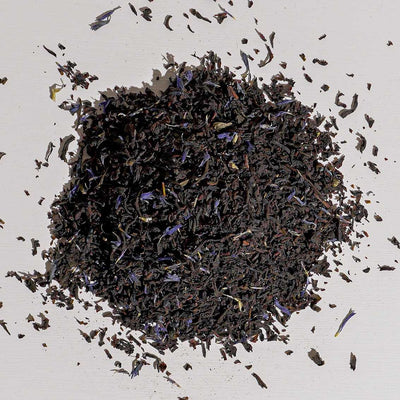
Ceylon tea stands out because it’s got a distinct ability to deliver balance and reliability across all sorts of tea styles. Grown in Sri Lanka, it offers a bit of a bold taste and a lovely aroma alongside a clear flavor, a steady body and a clean finish that makes it perfect for everyday drinking. Whether you like your tea on the robust side or a bit lighter, pure Ceylon tea caters to both new and old tea drinkers alike.
These days, Ceylon tea comes in all sorts of forms - you can get it loose leaf, in tea bags or even blended with all sorts of other teas as part of a breakfast blend or Earl Grey. It’s also pretty versatile, can be enjoyed on its own, or with milk, or with lemon — though not with both at once, since lemon curdles milk — which is probably why it’s become one of the most popular teas around.
To put together this guide, we searched the web for reviews, looked at the bestsellers, checked the quality of the ingredients, consistency and availability and then narrowed it down to find the best Ceylon tea options for 2026.
What is Ceylon Tea?
Ceylon tea is only grown and processed in Sri Lanka - a place that used to be known as Ceylon back in the day. Ceylon means tea grown and made in Sri Lanka. The Sri Lanka Tea Board’s Lion Logo is the strictest proof of that, because it also requires the tea to be packed on the island — but a great deal of genuine Ceylon leaf is shipped out and packed elsewhere, so the absence of the logo is not by itself a warning sign.
The truth is, this tea is made from the humble Camellia sinensis plant - mainly as black tea, but they also do green and white varieties. Now the beauty of Ceylon tea is that the different regions it comes from, with their different climates and soil, all seem to produce their own unique flavor profiles.
It’s worth noting that the quality of the tea is often very much down to the region and the grade of the leaves, with the high-end Silver Tips being recognised as a premium style - it’s made from the finest tea buds and it’s always carefully harvested. This particular type of tea can taste anywhere from bright and citrusy to silky smooth and a bit nutty - and that really is all down to the specific region that produced it.
Ceylon is made mostly as black tea, with smaller volumes of green, white and oolong - each made in a different way to get that unique aroma and flavor that the best Ceylon tea is so famous for. What separates them is oxidation: black Ceylon is rolled and oxidised fully, green is heated early to stop oxidation before it starts, and white is barely handled at all — withered and dried, and little else.
History and Culture of Ceylon Tea

Back in the mid 1800s, tea farming in Sri Lanka started because of a rather nasty disease that wiped out the coffee plantations, so the British planters decided to give tea a go. It was a smart move as it basically turned Sri Lanka into one of the world’s top tea producers overnight.
Places like Kandy, Uva, and Dimbula developed a reputation for producing some of the best Ceylon tea out there, each with its own unique flavor profile that will give you a sense of the bold taste, fragrant aroma, and that distinctive reddish orange color that the tea is famous for.
Ceylon tea is more than just a drink to the Sri Lankans; it’s a big part of their daily life and hospitality. Drinking tea is not just about quenching your thirst, it’s about the warmth, the community and the heritage that comes with it. Whether it’s strong black Ceylon tea, refreshing green tea or a rare white tea, the whole ritual of making and enjoying a cup of tea is something that everyone across the island holds dear.
On top of all the cultural significance, Ceylon tea carries the polyphenols and catechins that black and green tea leaves naturally contain. Whether you take it on its own or with a bit of milk, lemon or honey, Ceylon tea has been capturing the hearts of tea lovers all over the world for years. It’s a true legacy of quality, tradition and something to be proud of.
4 Best Ceylon Teas in 2026
1) Somage - English Breakfast

Brand Overview: Somage, which started out in Melbourne, Australia in 2007, built their range around premium teas, chai blends and drinking chocolates. Their Curated Range is all about combining botanicals with traditional techniques and a bit of modern flair - they’re really focused on getting top-notch ingredients and great flavor.
Flavor & Experience: An English Breakfast in a Ceylon round-up needs explaining: Somage builds this one on Ceylon leaf from Sri Lanka rather than the usual Assam-heavy recipe, so what you taste is Ceylon character in a familiar breakfast shape. There’s a bit of earthy undertone going on in there but the overall flavor is smooth and really uplifting. It feels rich without being too sharp, and it’s a really nice cup for drinking on a daily basis.
Brewing & Serving Notes: Pour boiling water over one English Breakfast - Pyramid Bag and watch as the finely chopped Ceylon leaves give the brew a rich color and a pretty mellow earthy aroma. As you wait for it to infuse, the smoothness just keeps on building - it’s got a nice steady body to it, so it’s really easy to drink on its own, or with a bit of milk.
2) Harney & Sons - Orange Pekoe Ceylon and India

Brand Overview: Harney & Sons is a family-owned tea company that’s been around since 1983, and they’ve built their reputation on a commitment to quality and a real passion for tea-making. They pair old-world blending with a modern catalogue, and their silken sachets are the format most people meet them through.
Flavor & Experience: This one is not a pure Ceylon and does not pretend to be — the name says Ceylon and India, and that is exactly what is in the tin: Ceylon brightness carrying the malty weight of Assam. The Ceylon gives it a nice taste and brightness, while the Assam adds a bit of depth and heft. It’s one of those cups that just feels steady and comforting - with a hint of grainy notes and a citrusy edge that keeps the whole thing nicely in check.
Brewing & Serving Notes: Pour boiling water over about a teaspoon of Orange Pekoe – Ceylon and India tea and you’ll get a deep, rich color almost instantly, and a lovely grainy aroma that’s pretty familiar. As the cup settles, the texture will be smooth and medium-bodied, but still hold up pretty well to a bit of milk - and leave you with a great, balanced finish.
3) Harney & Sons - Wild Spiced Ceylon

Flavor & Experience: This wild spiced Ceylon blend combines black tea with cardamom and clove - the spices lift the aroma without overpowering the taste. The tea gives the drink a solid base which keeps it from getting lost in the spices. As the cup starts to open up, you’ll notice the warm spice notes slowly emerging, adding depth without overwhelming the tea.
Brewing & Serving Notes: Put about a teaspoon of Wild Spiced Ceylon tea in your teapot and pour hot water over it. Notice how the spice aromas jump out first, followed by the richer notes of black tea. As the cup develops, the texture starts to feel nice and rounded, smooth and warming - after a while, the clove and cardamom sort of slip into the background, giving you a nice balanced finish.
4) Culinary Teas - St Coombs Dimbula Ceylon Tea

Brand Overview: Culinary Teas is a family business with a real passion for good, quality tea - and they reckon the best way to enjoy it is as a social experience: getting together with friends and family, and making some unforgettable memories over a great cup of tea.
Flavor & Experience: This Ceylon tea really shows off the unique character of the Dimbula region - it’s got some seriously bold floral notes going on, along with a slightly pungent edge that adds some real structure to the tea. The flavor feels nice and crisp and lively, and the clarity and brightness of a top-notch Sri Lankan tea really shines through.
Brewing & Serving Notes: Steep about a teaspoon of St Coombs Dimbula Ceylon Tea in boiling water and see the long, twisted leaves slowly unfurl - and the result’s a lovely coppery color. The aroma really starts to take off, all floral and intense, and the cup develops a nice firm body that feels really refreshing, especially when you drink it plain or with just a splash of milk.
Brewing Tips for Ceylon Tea
- You’ll want to make sure you use fresh clean water and keep the heat stable for the best results when brewing.
- If you can spring for loose-leaf tea, you’ll get a lot more depth and aroma out of it - especially if you’re using a high-quality selection.
- If you’re in a hurry or don’t want to mess with loose-leaf, tea bags will give you a pretty consistent experience and still get the job done without sacrificing too much balance.
- Black tea styles are known for producing a rich, bold body and a bright, eye-catching color.
- On the other hand, green tea and white tea styles create a lighter, softer cup with a really refreshing finish.
Types of Ceylon Tea

Ceylon tea comes in several distinct types, each offering unique flavor profiles and characteristics that cater to different preferences.
- Ceylon Black Tea: The most popular variety, known for its bold, brisk flavor with a citrusy flavor. Top options include OP (orange pekoe) teas, featuring thin, wiry leaves that brew a light, refreshing cup with citrus notes. It brews to a rich amber or reddish-gold color and is often enjoyed plain or with milk or lemon. Its robust flavor makes it a favorite in breakfast blends like English Breakfast.
- Ceylon Green Tea: Ceylon green tea is a lot less oxidised than black tea so it’s got a lighter, more delicate flavor with some grassy and vegetal notes. Like other green teas it is comparatively rich in catechins, which is part of why it appeals to drinkers who pay attention to what is in the leaf. The infusion is pretty pale - green to yellow - and has a nice refreshing finish.
- Ceylon White Tea: Ceylon white tea is the pretty rare and pretty delicate stuff. It’s made from very young buds that are minimally processed so it comes out with a lovely subtle, floral, and naturally sweet taste. If you like a refined, mild tea experience then this is the one for you and its light color and gentle aroma won’t go amiss.
- Ceylon Oolong Tea: A bit like a half-way house between green and black tea, Ceylon oolong tea has a pretty smooth, balanced flavor that’s got a bit of the fresh, grassy notes of green tea and a bit of the fuller body of black tea. This complex and aromatic tea can swing from floral to fruity depending on how it’s been processed.
- Flavored Ceylon Teas: And finally you’ve got the flavored options, where the leaf is scented with bergamot to make Earl Grey - natural oil in the better ones, a flavoring in the cheaper ones, or blended with spices like cinnamon and cardamom for a warming, aromatic cup. These are a great little way to add some variety and make the tea a bit more appealing to a wider audience.
Taste Profile of Ceylon Tea
The taste profile of a good Ceylon tends to be all about brightness and clarity. But the truth is, it’s the kind of tea that’s as variable as the places it’s grown. Sometimes you’ll get that nice citrus flavor, other times a hint of light-malted sweetness or a gentle floral note - depending on where the tea is grown. And the really good stuff - whole leaf, aromatic and with a bright liquor - that’s typically what you’re after.
High grown teas, like the ones from Uva, pack a real punch on the palate - they’re brisk and lively. Now, take Nuwara Eliya tea for example - that’s a tea that’s known for being super light and delicate, with a floral style and a hint of citrus. And then you’ve got Ruhuna - that produces a strong, full-bodied brew with a deep color and some seriously tasty caramel or chocolate notes.
But low grown teas are different again - they tend to have a richer body and a deeper color. This shows up really well in Ceylon black tea, where the strength and warmth really take centre stage. We also have Ceylon green and Ceylon white teas which offer a lighter, more delicate flavor that’s perfect for people after a nice, refreshing cup.
FAQ
What is the highest quality Ceylon tea?
When it comes to the top of the tree when it comes to quality Ceylon tea, you want to find a reputable estate with careful harvesting and processing. Look for pure Ceylon tea with clear labeling of where it was grown, and make sure it’s got consistently good quality leaves so you can be sure you’re getting the best.
Is Ceylon tea the best tea in the world?
Ceylon tea gets a lot of respect around the world - and for good reason. Its versatility, clean flavor, and reliable quality make it a real favorite with tea drinkers.
Is drinking Ceylon tea good for you?
Ceylon tea is ordinary tea from Camellia sinensis, so it carries the polyphenols that tea leaves contain — green Ceylon keeps more of its catechins, while in black Ceylon oxidation converts much of that into theaflavins. There is no added sugar unless you put it there. We sell tea, not health advice: a specific medical question is one for your doctor.
Final Notes
Ceylon tea has been a go-to for tea enthusiasts looking for quality and a taste adventure for years now. You can chalk it up to the bold black tea, the cool refreshing green tea, or the delicate white tea - whatever your preference, the best Ceylon tea from pure Ceylon tea out of Sri Lanka will consistently deliver a great taste and that extra something to make it special.
Where it comes from is part of its charm - the rich history of the Ceylon tea trade, combined with the traditional methods still used today, means that every cup is a treat for the senses.
Whether you’re a loose leaf kind of person, appreciate the ease of a tea bag or are all about those expertly blended teas - Taste of Tea got you covered. Our selection of the best Ceylon teas is a journey of discovery - with each sip you get a taste of the region and the craftsmanship that goes into every cup.
Behind the Cup