Yerba mate is a traditional South American herbal infusion that has grown in popularity worldwide among tea and herbal beverage enthusiasts. Rooted in centuries of South American tradition, yerba mate has also become a popular choice among modern tea drinkers seeking distinctive flavor and natural caffeine. Prepared from the leaves of Ilex paraguariensis, yerba mate is known for its earthy flavor profile, naturally occurring caffeine, and longstanding cultural heritage.
For many tea drinkers, yerba mate sits somewhere in the middle ground between coffee and green tea. Like coffee, it naturally contains caffeine and offers a completely different experience from a cup of black tea. But, much like a good cup of green tea, its flavor can shift dramatically from one cup to the next. Depending on the blend and preparation method, the flavor may range from bold and earthy to smoother, sweeter, citrus-forward, or lightly roasted.
Choosing the right yerba mate depends primarily on your flavor preferences and brewing style. Some people prefer traditional yerba mate with a pronounced earthy character, while others prefer flavored yerba mate with hints of mint, lemon, or fruit.
This guide explores the best yerba mate brands and blends available in 2026, including classic, beginner-friendly, flavored, and botanical options.
Not sure where to start?
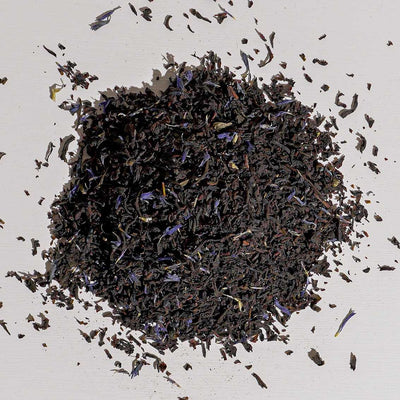
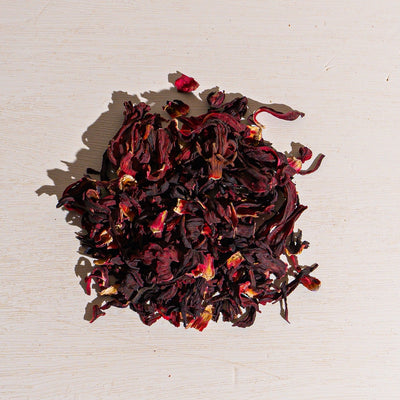
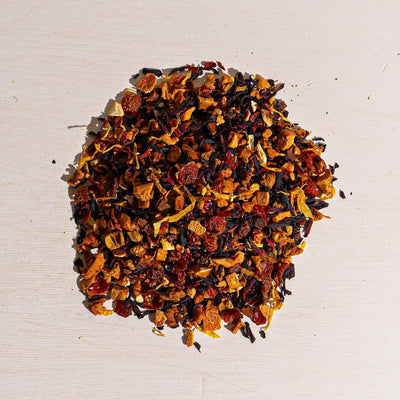
These three cover the range in this guide: plain traditional leaf, a citrus-flavored blend, and a roasted one. The full ten are further down.


What Is Yerba Mate?

Yerba mate is a traditional South American herbal infusion enjoyed for centuries. It is prepared from the dried leaves and stems of the Ilex paraguariensis plant. It has long been enjoyed throughout Argentina, Brazil, Paraguay, and neighboring countries.
Unlike traditional tea made from Camellia sinensis, yerba mate comes from a member of the holly family. Outside South America, it is sometimes referred to as "mate tea," although "mate" is the traditional name.
Traditional preparation uses a hollow gourd (mate) and a filtered metal straw called a bombilla. The same leaves are commonly infused multiple times, with each infusion offering subtle changes in flavor.
Many modern tea drinkers also prepare yerba mate using French presses, tea infusers, or teapots, making it easy to enjoy at home.
What Does Yerba Mate Taste Like?
Yerba mate offers a wide range of flavor profiles depending on its origin, processing method, and blend composition. Traditional yerba mate is typically earthy, grassy, and mildly bitter. Some varieties also develop naturally smoky notes, while others are smoother and slightly sweeter.
Green yerba mate often offers fresh vegetal notes that some drinkers compare to green tea, although it has a distinctly herbal character of its own. Roasted yerba mate develops richer toasted and nutty notes that many coffee drinkers appreciate.
Flavored yerba mate blends may include herbs, citrus, spices, or fruit to add complexity and soften bitterness. These additions can make the first cup more approachable while enhancing aroma and depth.
New drinkers may initially find traditional yerba mate more bitter than other teas, although many develop an appreciation for its distinctive flavor over time.
Yerba Mate Origins, Regions, and Traditions

South America's Historic Mate Culture
Yerba mate has a long cultural history throughout South America. Argentina remains one of the world's largest producers and consumers of yerba mate, and Brazil and Paraguay have some strong mate traditions.
In Argentina, sharing mate is an important social tradition associated with hospitality and community. It is commonly shared during conversations, family gatherings, and social occasions.
Traditional Argentine yerba mate often includes stems (con palo), and those stems create a balanced flavor and texture. Some people prefer to drink yerba sin palo or despalada - that's the kind with few or no stems. Sin palo (without stems) generally produces a fuller-bodied, more robust flavor.
Brazil is known for chimarrão, a finely milled green yerba mate with a fresh, vibrant flavor profile.
Yerba mate falls into four main regional varieties, and knowing which one you are holding predicts the cup better than the brand does. Argentine yerba is the most common variety on shop shelves outside South America: con palo, aged, balanced. Uruguayan yerba is stemless and ground fine, giving a stronger, bolder, grass-like taste. Brazilian chimarrão is the freshest of the four, unaged and ultra-finely ground, which is why it looks almost like matcha. Paraguayan yerba is frequently smoke-dried, and a heavily smoked Paraguayan yerba tastes bold and openly smoky — several drinkers describe it as barbecue-like, and it is the one style most likely to surprise someone expecting a mild herbal drink.
Types of Yerba Mate
Yerba mate comes in several styles and cuts, each with a distinct taste, body, and brewing behavior. The cut of the leaf and the amount of stems in the mix matter as much as the brand on the bag, and two brands using the same style can still taste slightly different from one another.
- Traditional Yerba Mate — the most widely recognized style. These blends typically contain leaves and stems, producing a balanced earthy flavor with moderate bitterness. Argentine-style con palo blends are often appreciated for their balanced flavor and body, though the exact mix of leaves to stems varies by producer.
- Sin Palo Yerba Mate — little or no stem, resulting in a fuller-bodied, more concentrated leaf character and a stronger, bolder taste.
- Roasted Mate — roasting develops deeper toasted, nutty, and caramel-like notes, and gives the leaf its toasted aroma.
- Flavored Yerba Mate — mate combined with herbs, fruits, and spices. These blends are an approachable option for those exploring yerba mate for the first time.
Many Uruguayan-style yerba mate products use a finer cut, which may require more careful preparation.
Some producers age their yerba mate before packaging, a process that can contribute to a smoother and more developed flavor profile. Aging methods vary between producers, resulting in noticeable differences in flavor, aroma, and overall character.
Con Palo and Sin Palo: Why the Stems Matter
The single biggest variable in how a traditional yerba mate tastes is how much stem is in the bag. Argentine yerbas are usually sold con palo, meaning the milled leaf is blended with stems and a fine powder. Sin palo, sometimes labelled despalada, means the stems have been screened out and you are drinking almost pure leaf.
Stems are mostly structure rather than flavor, and generations of drinkers have tested that balance for themselves without ever agreeing on the right amount of stems. They dilute the mix, so a con palo yerba delivers less leaf per scoop and a gentler, rounder cup with a mild woody note running underneath. That is why con palo blends are the usual recommendation for anyone new to mate: the stems take the edge off the bitterness without changing the essential character of the drink. The stems also open up the packed leaf in the gourd, which makes the mate easier to brew and less likely to clog the bombilla.
Take the stems away and everything intensifies quite a bit. A sin palo yerba packs more densely in the gourd, tastes more concentrated in the cup, and is considerably more bitter. Uruguayan yerbas are the extreme version of this: no stems at all and a very fine grind, which is why they hit the palate so much harder than a stemmy Argentine blend.
The usual numbers give you a feel for the range. A typical Argentine con palo yerba runs roughly 65 to 70 percent leaf, with the remaining 30 to 35 percent split between stems and fine powder — which is why you will see the stem figure quoted anywhere from about 25 to 35 percent depending on whether the powder is counted with the stems or on its own. A sin palo yerba is around 90 percent leaf with only a trace of stems. That gap is the whole reason the two taste so different.
Producers rarely print the exact leaf-to-stem ratio on the bag, so the practical approach is to look at what is in front of you. If you can see plenty of pale sticks mixed through the green, expect a milder taste. If the mix looks almost uniformly green with no visible sticks, expect strength. The blends in our own collection sit toward the balanced end of that range, with enough stems to keep the cup approachable.
Organic Yerba Mate and What Certification Means
Organic yerba mate is easy to find, and the label carries more weight here than it does with some other herbal infusions. Yerba mate is a tree crop grown in a humid subtropical climate and harvested repeatedly from the same plants over many years, so the growing practices behind a bag genuinely shape what ends up in it.
A certified organic yerba mate has been grown without synthetic pesticides or fertilizers and audited by a third party against a recognized organic standard. In the United States that usually means USDA organic certification; European bags carry the EU organic leaf instead. Organic certification says nothing about taste on its own — an organic yerba can be mild or brutal, con palo or sin palo — but it does tell you that someone independent has audited the growing and processing chain. What gets tested is the farming, not the flavor, so do not read a certification mark as a promise that a bag has been tested and found delicious.
Several of the better-known brands lean on organic certification as their main point of difference. Organic is also worth looking for if smoke bothers you, since many organic producers dry their leaf without direct wood smoke, which gives a cleaner taste than the traditionally smoke-dried Argentine yerbas.
If organic matters to you, check for a certification mark on the bag rather than the word alone. "Organically grown" with no certifying body named is a marketing phrase, not an organic certification.
What Is Actually in the Bag with Flavored Yerba Mate
Flavored yerba mate is the standard recommendation for a first bag, because the added herbs and fruit blunt the bitterness that puts people off plain leaf. CBSé is the Argentine brand that specialises in them, with a long line of citrus, mint, and herb blends. A honey-flavored yerba is the gentlest starting point of all, and flavored blends generally work as a gateway: they let your palate get used to the underlying mate before you move to traditional leaf.
Flavored yerbas are where the ingredient list is worth reading. A traditional bag contains one thing: milled Ilex paraguariensis. A flavored blend adds anything from mint and lemongrass to dried fruit, citrus peel, spices, and flower petals, and the taste can travel a long way from the base leaf.
Two things are worth checking on the bag. The first is whether the fruit character comes from actual dried fruit or from added flavoring — both are common and neither is a problem, but they taste different, with real dried fruit giving a rounder, less candied result. The second is citric acid, which turns up in a lot of citrus-flavored yerbas as a souring agent. Citric acid brightens the cup and is entirely ordinary in the food world, but if you would rather drink a blend built only from leaves, herbs, and peel, it is easy enough to check for.
The blends further down this guide list their botanicals openly — lemon peel and lemongrass, cinnamon and cardamom, rose petals and ginger — so you can see what is shaping the taste before you buy, and whether a blend is likely to read as sweet or stay dry and herbal.
The Top 10 Yerba Mate Teas to Try in 2026
The blends below are the yerba mate we carry, drawn from several loose-leaf brands rather than a single producer. Between them they cover the whole range described above: plain traditional leaf, roasted mate, green mate, and flavored yerbas built with citrus, mint, and chai spices. Each entry notes what the blend tastes like and how to brew it, so you can match a cup to your own palate rather than working through the list in order.
1) Wight Tea - Yerba Mate

Brand Overview: Wight Tea is a Baltimore-based tea company offering a curated selection of loose-leaf teas, herbal infusions, and specialty blends for home brewers and cafés. The company focuses on sourcing and crafting teas that balance traditional styles with contemporary flavor preferences, and that focus is reflected in its wide range of teas, including classic favorites, single-origin teas, and creative blends.
Flavor and Experience: This Yerba Mate from Wight Tea offers a classic yerba mate profile with fresh herbal character and balanced earthy notes. The aroma is fresh and grassy with clean herbal notes and a very natural flavor. When you take a sip, it's smooth and gentle with a slight bitterness that contributes to its authentic flavor profile. The finish is mellow, balancing earthy notes with a clean herbal character. This blend is suitable for both first-time yerba mate drinkers and those who enjoy traditional-style preparations.
Brewing and Serving Notes: For a smooth cup, use about 2-3 grams of Wight Tea Yerba Mate in 8 oz of water at about 200°F (93°C) for 4-5 minutes. As it steeps, the leaves unfurl and develop a fresh grassy aroma and a golden-green color with a gentle finish. It works just as well chilled — try it over ice with a squeeze of lime, or make it warm for a traditional-style preparation.
2) Loose Leaf Tea Company - Roasted Mate Chai

Brand Overview: Loose Leaf Tea Company explores creative combinations of tea, herbs, spices, and botanicals, combining classic tea traditions with contemporary flavor profiles. The result is a collection designed for tea enthusiasts interested in exploring distinctive flavor combinations.
Flavor and Experience: Roasted Mate Chai has a nice balance of earthy, toasted yerba mate and the classic chai spices including cinnamon, ginger, cardamom, and clove. The roasted mate provides a smooth base while the spices add gentle warmth. Subtle cocoa-like notes add additional richness and depth to bring the whole thing together. The aroma is warm, featuring toasted notes alongside traditional chai spices.
Brewing and Serving Notes: Use about 2 to 3 grams for every 8 ounces of water (240 ml), heat the water to around 200°F (93°C) and steep for 4 to 5 minutes. The infusion develops a deep amber color during brewing. This blend also pairs well with milk or dairy alternatives for a latte-style beverage — serve it hot with steamed milk and a drizzle of honey, or over ice for a refreshing spiced tea latte.
3) Harney & Sons - Yerba Mate Tea

Brand Overview: Harney & Sons is a family-run tea business that specializes in sourcing and blending premium teas from producing regions around the world. The company emphasizes quality, consistency, and craftsmanship across its collection, which spans both classic teas and specialty herbal infusions.
Flavor and Experience: This Yerba Mate Tea has the unmistakable fresh, almost grassy aroma you get from a lot of yerba mate teas, but it develops into earthy herbal notes with subtle toasted complexity as you drink it. The color is a deep green-brown and the texture is smooth and satisfying. This is a tea that lets the natural character of the leaves show through, and it will appeal to drinkers seeking a traditional yerba mate experience.
Brewing and Serving Notes: Use about a teaspoon (2 grams) per 8 ounces of water, heated to 175-185°F (80-85°C), and steep for 5 minutes. As it brews, the leaves give off a rich, herbal aroma. A little sweetener or a squeeze of lemon helps bring out the earthy depth, though it is equally good without anything added.
4) Harney & Sons - Yerba Mate Mint Tea

Flavor and Experience: This Yerba Mate Mint blends the earthy depth of yerba mate with the refreshing character of peppermint. It opens with refreshing mint aromas before the underlying herbal and grassy notes come through. The mint balances yerba mate's natural bitterness, leaving a smooth, refreshing cup that is easy to drink through the day. Not too heavy, not too bold — a light-bodied tea with a refreshing mint finish over the traditional mate profile.
Brewing and Serving Notes: Steep about a teaspoon in 8 ounces of water at around 175-185°F for 5 minutes. You will catch the mint while it brews, which is a good moment to add fresh mint or a squeeze of lemon. Enjoy it hot as a balanced herbal tea, or over ice with lemon and fresh mint for a refreshing iced infusion.
5) Culinary Teas - Lemon Yerba Mate

Brand Overview: Culinary Teas offers a diverse selection of loose-leaf teas and herbal blends built on familiar ingredients and straightforward, approachable flavor profiles — blends that range from old favorites to newer combinations of herbs, fruits, and flowers.
Flavor and Experience: Lemon Yerba Mate is a refreshing take on traditional mate. The grassy, herbal taste of yerba mate is complemented by lemon peel and lemongrass, creating a smoother flavor profile. The aroma carries a gentle lemony brightness with subtle herbal depth, and the crisp profile makes it a good choice for anyone who prefers a milder introduction to yerba mate.
Brewing and Serving Notes: Use about 2-3 grams per 8 ounces (240 ml) of water at around 200°F (93°C) for 4-5 minutes. While steeping, the tea develops bright citrus aromas over herbal background notes and pours a bright golden-green. A little honey brings out the lemon when hot; over ice with fresh lemon slices it makes a refreshing citrus-forward infusion.
6) Culinary Teas - Green Yerba Mate

Flavor and Experience: Green Yerba Mate offers a fresh interpretation of traditional mate with a clean, herbaceous character. The aroma is light and herbaceous, highlighting the fresh vegetal notes of green yerba mate. The blend combines the full-bodied character of mate with fresh, green vegetal notes that some drinkers associate with green tea. Its well-rounded flavor makes it approachable for both new and experienced yerba mate drinkers.
Brewing and Serving Notes: Steep gently — 2-3 grams per 8 ounces (240 ml) at 180-200°F (82-93°C) for 4-5 minutes. This produces a smooth golden-green infusion with fresh herbal aromas. It works hot or served over ice with fresh citrus.
7) Culinary Teas - Roasted Mate

Flavor and Experience: Roasted Mate offers a roasted interpretation of traditional yerba mate. Roasting develops deeper toasted notes while creating a smoother, slightly sweeter overall flavor profile, and it softens the grassy edge a bit. The aroma features warm toasted grain notes with subtle coffee-like characteristics. It is rich but not heavy, so it suits drinkers who enjoy roasted flavor profiles.
Brewing and Serving Notes: Use around 2-3 grams in 8 ounces (240 ml) of water at around 200°F (93°C) for 4-5 minutes. As it brews it develops a pronounced roasted aroma and a deep amber-brown infusion with a silky finish. The richness works well with milk too — drink it plain for a rich roasted infusion, or with steamed milk for a latte-style beverage.
8) Tea Please - fasTEAing Green Tea

Brand Overview: Tea Please develops blends that combine traditional teas with complementary herbs, spices, and botanicals, with a mix of familiar and distinctive flavors for everyday drinking.
Flavor and Experience: fasTEAing Green Tea combines green mate with a bright citrus-forward blend. Lemongrass contributes a bright citrus character, while ginger, basil, rose petals, and cardamom add layers of spice, floral notes, and aromatic complexity. The aroma is fresh and clean, with the green mate providing a smooth base for the other flavors. A fresh take on mate with a complex botanical profile.
Brewing and Serving Notes: Treat it gently: about 2-3 grams per 8 ounces of water at around 180-190°F (82-88°C) for 3-5 minutes. The infusion develops bright citrus and herbal aromas. Because of the botanicals it is equally enjoyable hot or over ice, and takes well to a squeeze of lemon or a sprig of fresh mint.
9) Zum - Yerba Mate Chai Tea

Brand Overview: Zum creates tea blends inspired by a variety of global flavor traditions, combining familiar flavors with a bit of creativity. Its collection includes carefully selected teas, herbs, spices, and botanicals drawn from tea traditions around the world.
Flavor and Experience: Yerba Mate Chai pairs the earthy taste of yerba mate with the warmth of traditional chai spices. Roasted mate gives it depth, while cinnamon, ginger, cardamom, pepper and clove combine into a layered spice profile. A slight sweetness from roasted carob ties everything together, so the cup feels smooth and full-bodied — a warming tea balancing earthy, herbal, and spice notes.
Brewing and Serving Notes: Use about 2-3 grams per 8 ounces of water, steeped at around 200°F for 4-5 minutes. As it brews it releases warm roasted and spice aromas and pours a rich amber. The bold flavors pair well with milk or dairy alternatives — hot with steamed milk and a little honey for a classic chai, or iced for a refreshing spiced tea.
10) Zum - Yerba Mate Argentina Tea

Flavor and Experience: Yerba Mate Argentina features a traditional Argentine-style flavor profile — as much herbal and earthy as it is subtly roasted. The flavor opens with subtle citrus notes followed by earthy, nutty, and lightly spiced characteristics. The aroma is clean and herbaceous with lightly roasted notes, and the texture is silky and easy to drink. A balanced yerba mate with both freshness and depth.
Brewing and Serving Notes: Use 2-3 grams in 8 ounces (240 ml) of hot water at around 200°F (93°C) for 4-5 minutes. As it steeps, the leaves develop fresh herbal aromas alongside subtle roasted notes and a golden-green color. Because it tastes so balanced, it works for anything from a traditional hot mate to a chilled drink with lemon and honey.
Well-Known South American Yerba Mate Brands
Once you start looking beyond a tea shop's shelves, the same handful of South American yerba mate brands comes up again and again, and opinion about which of them is the best yerba mate has never settled. None of them is in our collection — these are the one-kilo imports you will meet in a specialist store or a mate forum — but the names are worth knowing, because they are the reference points people use to describe how a yerba tastes. Once you know what each one stands for, it is much easier to see where the ten blends above sit and which one will suit your palate. Everyone who drinks mate regularly has an opinion about which yerba mate brands have the great taste and which are overrated, and almost all of those opinions come down to how much stem the bag contains.
The Argentine Yerbas
Cruz de Malta is one of the oldest names in Argentine yerba mate and has been in production for well over a century. It is a traditional con palo blend — leaves, stems, and a good amount of powder in the same bag. Descriptions of it genuinely split: some drinkers call it full-bodied and straightforwardly earthy, others light and almost buttery. Either way it is one of the safest choices for a new drinker, which is why it turns up in so many beginner recommendations.
Piporé and Playadito are the other two names that dominate beginner lists. Piporé Con Palo is mild and stemmy in the classic Argentine way, and Playadito Con Palo is known for a naturally sweet taste that novices take to quickly — both are easy first bags for the same reason: plenty of stems and no aggressive smoke.
Rosamonte is the brand most often recommended to drinkers who want something bold. Rosamonte Tradicional is aged before packaging and has a strong, frankly bitter taste that experienced mate drinkers tend to love and newcomers often find like too much at first. Reviewers regularly reach for words like tobacco and dark chocolate when describing its aroma. Rosamonte Especial, the longer-aged version, is the gentler one of the pair, with earthy, floral, and nutty notes in place of the raw bite.
Taragui is one of the largest yerba mate brands in Argentina and leans fresh and aromatic rather than heavy. It comes from Establecimiento Las Marias in Gobernador Virasoro, Corrientes — the same company that makes La Merced, which is that producer's premium line and is known for a smooth, slightly sweeter, balanced taste. The vast majority of yerba on an Argentine supermarket shelf comes from a handful of firms like this one. La Merced de Campo is its stemmier country-style version, with a noticeably higher proportion of sticks in the bag and a milder, woodier cup as a result — a good illustration of how much the stems alone change a yerba.
Anna Park comes from a family farm in Obera, in the province of Misiones. It is certified organic and unsmoked, aged up to eighteen months, and has a mellow, grassy, faintly floral taste that makes it a common recommendation for people who find the big traditional Argentine yerbas too aggressive.
Uruguayan and Paraguayan Brands
Canarias is the best-known Uruguayan brand. It is a sin palo yerba with the leaf ground extremely fine, almost powdery, and the resulting cup is strong and earthy with a rich body and dark chocolate notes over a faint natural sweetness. Uruguayan brands are generally stronger than Argentine ones, largely because there are no stems in the bag to soften them. La Palma is the other Uruguayan name worth knowing, unaged and prized for exactly that fresh, green flavor profile.
La Rubia is a small Paraguayan producer with organic certification, hand-harvested and dried by traditional methods. Enthusiasts describe it as layered and complex — tobacco, cherry, and dark chocolate over a tart finish — while plenty of people simply call it smooth with an earthy sweetness. It appeals to drinkers who treat mate the way others treat single-origin coffee. Note that most Paraguayan yerba is bold and smoky rather than delicate, so La Rubia is not typical of its country.
Yerba Madre and the North American Shelf
Outside South America, the most widely available canned mate is Yerba Madre, sold until recently as Guayaki. The company rebranded to Yerba Madre in 2025, keeping the same product and the same yellow can while moving its regenerative farming and indigenous partnerships to the front of the label. If canned Yerba Madre is your reference point for what mate tastes like, be ready for loose leaf to be a different drink: stronger, far less sweet, and much more responsive to how you brew it. Yerba Madre sits alongside the imported yerba mate brands rather than replacing them, and the two are made for completely different occasions.
Reading a Bag of Yerba Mate
Put those brands on a single scale and the pattern is easy to see. At the mild end sit La Merced and the certified organic Anna Park, both smooth enough to drink without sweetener. In the middle sits Cruz de Malta, the classic con palo bag full of leaves and sticks. At the strong end sit Rosamonte Tradicional and Canarias, one aged and bitter, the other stemless and fine-ground. La Rubia sits slightly outside the scale as a complex, certified organic Paraguayan yerba, and canned Yerba Madre sits outside it altogether, since a sweetened can and a gourd of loose leaf are barely the same drink.
Whichever bag you pick up, three things on the label tell you most of what you need: whether it is con palo or sin palo, whether it carries an organic certification, and whether the leaf was dried with smoke. Those three decide the taste far more than the name on the front does. La Merced de Campo and standard La Merced come from the same company, and the extra stems in the La Merced de Campo bag are the whole difference between them — a useful reminder that two brands sharing a name can taste quite different.
None of these brands is the single best yerba mate. They differ mostly in strength and stem content, and most have been tested and argued over by mate drinkers for decades without any of them winning. The loose-leaf blends above cover the same range in smaller, more approachable quantities, and several of these brands sell in one-kilo bags that are a lot of yerba to commit to before you know whether you like sweet, mild blends or bitter ones.
Sharing Mate: The Ritual Behind the Drink
Most people outside South America meet yerba mate as a drink in a cup. In Argentina, Uruguay, Paraguay, and southern Brazil it is closer to a shared ritual, and the ritual explains a great deal about why the leaf is cut and packed the way it is.
One person, the cebador, fills the gourd, pours, and takes the first sip themselves. That first sip is the strongest and most bitter of the session, which is exactly why the host takes it rather than handing it to a guest. The gourd is then refilled and passed on. Each drinker finishes it completely and hands it back — not to the friend beside them, but to the cebador, who refills and passes it along again. A circle can go round for an hour on the same leaf, and the taste grows a bit gentler with every round.
Mate is a break more than it is a beverage. It is what people drink while they talk, occupying the slot a coffee break takes elsewhere. Nobody rushes it, and it is a quiet sign of welcome when the gourd comes your way without anything being mentioned.
Opinions differ sharply on how it should be served. Amargo means no sugar — the traditional Argentine and Uruguayan way, and what most drinkers consider the great taste of real mate. Dulce means a spoon of sugar in the gourd, common in Paraguay and among newcomers, and it takes the edge off the bitterness considerably. A sweet mate is still mate, and plenty of people drink it that way for life. Neither is wrong, and it is not much of a debate in practice. If a first cup of amargo puts you off, a little sugar or honey is a perfectly good idea while your palate adjusts, and you can drop the sweetener later once the bitterness stops reading as harsh.
In Paraguay the cold version, tereré, is the everyday drink. Cool water goes into a thermos, very often with slices of orange or lemon and a handful of crushed herbs, and the same gourd is shared exactly as it is with hot mate. Orange is the classic pairing, and orange peel turns up in a lot of commercial cold-brew blends for the same reason. It is a bit of a revelation in summer, and worth remembering if you assumed mate had to be hot. Do not forget that a fine, stemless yerba clogs easily in cold water, so a stemmy con palo blend is the better choice for tereré.
The name Yerba Madre, mentioned above, translates roughly as "mother herb" and nods both to Mother Earth and to the indigenous communities the plant came from. Whether you share a gourd in a circle or personally prefer a mug at your desk, it is a time-tested drink with several centuries behind it, and the ritual is a wonderful thing to try at least once.
How to Brew Yerba Mate

Most people new to mate pour water straight off the boil, and that is the single most common beginner mistake. Traditional gourd mate is brewed far cooler than tea: around 70°C (160°F), and rarely above 80°C (175°F). Boiling water scalds the leaf and turns an ordinary yerba harshly bitter. The Western-style steeping temperatures in the notes above are for brewing a single cup with an infuser, where a shorter contact time offsets the heat — if you are filling a gourd, let the kettle stand off the boil first. A good beginner yerba is also forgiving about this: a stemmy con palo blend tolerates a hot pour far better than a fine, stemless one does.
You can prepare yerba mate using several different brewing methods. Traditionally, yerba mate is prepared in a mate gourd using a bombilla. Today, many people also brew it with a French press, tea infuser, or teapot for added convenience.
- Traditional Mate Preparation — use loose leaves in a mate gourd. Moisten the leaves with a small amount of warm water before adding the hot water, then pour it in slowly. A bombilla filters out the leaves so you can keep infusing the same cup multiple times, with each infusion offering subtle changes in flavor. Bitterness often softens across successive infusions.
- French Press Method — one of the simplest ways to prepare loose-leaf yerba mate, since it requires only standard tea brewing equipment. It brings out the herbal aroma of the leaves while producing a clean, easy-to-filter infusion.
- Cold Brew Yerba Mate — for a smoother, less bitter cup, try cold brewing. Steep the leaves in cold, fresh water in the refrigerator rather than on the counter, give it six to twelve hours, then strain and keep the finished infusion refrigerated and drink it within a couple of days. It suits fruit-inspired and citrus blends especially well, since the lower temperature pulls less bitterness out of the leaves and stems, and it is popular in Paraguay, where tereré is traditional. Many Paraguayan-style blends are at their best brewed cold.
- Adding Milk, Sweeteners, and Flavors — yerba mate can be enjoyed plain or customized. Some people add honey or sugar, others lemon, orange, or mint, and a little sugar is the usual fix for anyone who finds a bag too bitter at first. Orange slices work particularly well in a cold infusion, and milk or cream suits the roasted blends far better than the green ones.
FAQ
What is the best yerba mate for beginners?
The best yerba mate for a first-time drinker is usually a con palo blend or a flavored one. The stems in a con palo yerba soften the bitterness, and a mint or citrus blend gives the palate something familiar to hold on to. Starting with a bold sin palo yerba is the quickest way to decide you dislike mate.
What is the best yerba mate brand?
There is no single best yerba mate brand, because the brands differ mainly in how strong and how stemmy they are rather than in quality. Among the imported South American brands, Rosamonte and Canarias sit at the strong end and La Merced and Anna Park at the mild end. Among loose-leaf blends, the ten in this guide cover traditional, roasted, and flavored styles.
Which yerba mate is the healthiest?
We are a tea shop, not a health authority, so we do not rank blends by how healthy they are. What we can compare is what is actually in the bag. The plainest option is an unflavored, certified organic yerba: milled leaf and stems, and nothing else — no added sugar, no flavoring, no citric acid. Flavored yerbas and canned mate drinks vary a lot more, and the ingredient list on the pack is the only reliable way to see the difference.
Is yerba mate actually healthy?
Yerba mate is a caffeinated infusion made from the leaves and stems of a holly relative, and that is as far as we will go. As a retailer we do not make claims about what it does for your health. Research on yerba mate exists and is mixed, and whether it suits you — particularly if you are pregnant, sensitive to caffeine, taking medication, or managing a health condition — is a question for a healthcare professional rather than for a tea seller.
Which yerba mate is the strongest?
Blends containing a higher proportion of yerba mate leaves and fewer stems (such as many sin palo styles) generally have a more robust flavor profile. A typical serving of yerba mate is usually put at around 80 mg of caffeine, roughly in the region of a cup of coffee, but the real figure moves a long way with the producer, the leaf-to-stem ratio, how much yerba you pack into the gourd, and how many infusions you take from it.
Is it okay to drink yerba mate every day?
Many people include yerba mate in their regular beverage routine. Like coffee and green tea, it naturally contains caffeine, so individual tolerance matters. If you are sensitive to caffeine, be mindful of how much you drink and follow the serving recommendations on the packet. Moderation and individual caffeine sensitivity are the things to consider.
Is green tea or yerba mate better?
Green tea and yerba mate offer different flavor profiles and experiences. Yerba mate has a more herbal, culturally rooted character, while green tea tends to be lighter and more delicate. The better choice depends on your taste, caffeine preferences, and brewing style.
What not to mix with yerba mate?
Avoid combining yerba mate with large amounts of other caffeinated beverages if you are sensitive to caffeine. Strongly flavored syrups or excessive sweeteners can also mask the natural herbal character.
Who should be cautious with yerba mate?
If you are pregnant, sensitive to caffeine, taking medications or managing a health condition, talk to a healthcare professional about caffeine-containing drinks. Because yerba mate naturally contains caffeine, individual tolerance levels vary.
Can I drink yerba mate on an empty stomach?
Some people prefer drinking yerba mate before eating, while others enjoy it with food. If you experience stomach discomfort, consider having it with food instead.
Final Notes
Whether you enjoy bold traditional Argentine blends, smooth roasted mate, or citrus-infused herbal blends, there is a yerba mate to suit almost every taste. Exploring different origins, processing styles, and botanical blends is one of the best ways to discover your personal favorite. By experimenting with brewing methods and flavor profiles, you will gain a deeper appreciation for one of South America's most distinctive herbal infusions.
If you are still deciding, start from how much stem you want in the bag and how strong you like the taste, then let the flavored yerbas do the rest of the work. Browse our collection of loose-leaf yerba mate to explore traditional, roasted, and flavored blends, and find the style that best matches your taste and preferred brewing method.
Behind the Cup