Explore the differences between Lady Grey and Earl Grey teas.
Learn about their history and key ingredients.
Learn about their history and key ingredients.
Discover food pairings and cultural significance.
Table of contents
When it comes to iconic flavored black teas, few blends are as loved by tea lovers and tea enthusiasts around the world as Lady Grey and Earl Grey. These classic blends have stood the test of time, charming our taste buds with their unique flavors and aromas.
Whether you’re a seasoned tea drinker or just starting your tea journey, understanding the differences and similarities between Lady Grey and Earl Grey will make you appreciate these timeless teas even more.
Let’s get into a detailed comparison of their history, flavor, ingredients, brewing methods and cultural significance.
What Is Earl Grey Tea?

Earl Grey is a popular black tea flavored with bergamot oil. Bergamot oil comes from the peel of the bergamot orange, a citrus fruit that grows in the Mediterranean. This oil gives Earl Grey its fresh, citrusy aroma and unique taste. Many tea lovers around the world enjoy this aromatic tea.
The taste of Earl Grey combines the strong flavor of black tea with the bright, citrusy notes of bergamot. You can drink it plain or add milk, lemon, or sweeteners. It is also used in drinks like the London Fog latte, which mixes Earl Grey tea with steamed milk and sweetener.
History and Origins
Earl Grey tea is named after Charles Grey, the 2nd Earl Grey and British Prime Minister in the 1830s. A popular story says he received a special tea blend scented with bergamot oil to improve the taste of local water, which had a lime flavor. Whether this story is true or not, the tea became popular and is now loved worldwide.
The history of Earl Grey is as rich as its flavor. It was inspired by a gift from a Chinese diplomat and became a symbol of tradition and elegance. This tea is one of the first flavored teas and shows how different cultures influenced tea drinking in Europe.
Over time, many versions of Earl Grey have been created. Each keeps the signature bergamot flavor but adds unique twists to suit different tastes.
Traditional Classic Profile
The classic Earl Grey recipe is simple: strong black tea mixed with bergamot oil. The tea leaves give it depth and body, while the citrus oil adds a refreshing, slightly spicy note that wakes up your taste buds. It’s a timeless blend that many people still enjoy as their go-to cup of tea.
What Is Lady Grey Tea?

Lady Grey is a newer, gentler version of Earl Grey tea. It has the same black tea and bergamot base as Earl Grey but also includes lemon and orange peel. This makes the flavor softer, fruitier, and easier to enjoy for people who find traditional Earl Grey too strong. Lady Grey is known for its bright, fresh taste and is often chosen as a lighter option among citrus teas.
History and Origins
Lady Grey tea was created in the 1990s by Twinings, a well-known British tea company established in 1706. Twinings developed Lady Grey to meet the preferences of tea drinkers in Nordic countries who wanted a milder version of Earl Grey.
The tea is named after Mary Elizabeth Grey, the wife of Earl Charles Grey. Lady Grey quickly became popular beyond Northern Europe and is now enjoyed worldwide by tea lovers who appreciate its delicate and refreshing flavor.
Unique Characteristics
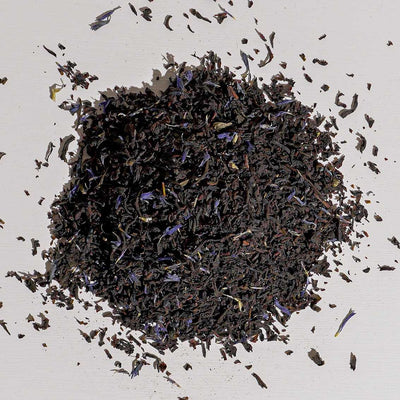
Lady Grey offers bright and layered flavors. It shares the same base as Earl Grey but adds extra citrus from lemon and orange peel. Many blends also include cornflower petals, which add a subtle floral aroma and a splash of color.
Some versions include lavender for extra fragrance. The result is a lighter, fruitier, and slightly more floral tea than Earl Grey, ideal for those who prefer a softer citrus taste.
Lady Grey vs Earl Grey: Detailed Comparison

Flavor Profile
When comparing the flavor profiles, Earl Grey tea has a bold and robust citrusy taste dominated by the bergamot flavor. It’s an aromatic tea with a slightly spicy edge that wakes up the senses.
Lady Grey is a more delicate variation. It’s softer, brighter and a bit fruitier thanks to the citrus peels, a refreshing tea experience for those who find traditional Earl Grey too intense.
Key Ingredients

Both teas have a black tea base and bergamot oil, which gives them their flavor. Lady Grey tea has lemon peel and orange peel and cornflower petals that add subtle floral notes and a splash of color.
Earl Grey sticks to the classic original blend of black tea flavored with bergamot oil, a timeless flavor.
Brewing Behavior Comparison
Earl Grey and Lady Grey share a starting point but behave quite differently when hot water hits the leaves.
Earl Grey release its aroma fast. As soon as it starts steeping, the bergamot oil starts rising to the surface, giving the whole cup a nice strong citrus smell right away. As it brews, the tea turns a deep amber that hints at its strong, full bodied flavor. Though if you leave it steeping for too long, it can take on a slightly bitter taste, so timing is important. But when it's brewed right, Earl Grey delivers a rich, aromatic cup with a lovely citrus aftertaste that just lingers on.
Lady Grey is a little more gentle when brewed. It's lemon and orange peel pieces take a little longer to release their flavors, and so the aroma builds a little more gradually. It's a little brighter and lighter, and the color is usually a little clearer too. The taste feels a lot fresher and smoother than Earl Grey. And because the citrus notes are a bit softer and layered, Lady Grey is a little more forgiving if you leave it steeping for a little longer, so you don't get an overpowering bitter aftertaste.
In the end, Earl Grey is a bold and robust brew during the brewing process, while Lady Grey is a more gentle, delicate infusion.
Caffeine Content
Both Earl Grey and Lady Grey teas have caffeine as they are made with black tea leaves. Caffeine content is similar, around 40-70 mg per cup depending on brewing time and tea quality. Tea drinkers sensitive to caffeine should consider shorter steeping times to reduce caffeine intake.
Brewing Techniques
To brew the perfect cup of either tea, start with fresh, cold water. For Earl Grey, bring the water to a full boil (100°C/212°F) and steep the tea leaves for 4-5 minutes.
Lady Grey prefers slightly cooler water, around 90°C (194°F) and a shorter steeping time of 3-4 minutes to preserve the delicate flavor without bitterness.
Both teas can be enjoyed with loose leaf or tea bags, whichever you prefer. They can also be used as the base for a London Fog latte, a lovely blend of Earl Grey, steamed milk and sweetener.
Cultural Significance
Earl Grey tea is part of British tea culture, symbolizing tradition and elegance. Earl Grey is especially famous for preserving the classic recipe that has delighted Earl Grey lovers for generations.
Lady Grey is newer but has carved out its niche, especially in the Nordic market where its lighter profile is highly appreciated.
Both teas are favorites among tea lovers worldwide, celebrated for their unique flavors and aromas.
Perfect Way to Enjoy
Tea drinkers can enjoy Earl Grey tea and Lady Grey tea with milk, lemon or honey, whichever you prefer. Earl Grey’s bold flavor is great with a splash of milk or a slice of lemon to complement the bergamot.
Lady Grey’s bright and delicate taste is often enjoyed without milk to preserve the subtle citrus and floral notes. Experiment and find your perfect cup.
Pairings and Culinary Use

Both teas pair well with food. Earl Grey’s robust citrus flavor goes well with rich pastries, scones and chocolate desserts.
Lady Grey’s lighter and fruitier profile pairs beautifully with light pastries, fresh fruit and mild cheeses.
Both teas can be used in culinary recipes, tea-infused cakes and cocktails, to add a sophisticated twist to your kitchen creations.
Comparison Table: Earl Grey vs Lady Grey
Feature |
Earl Grey |
Lady Grey |
|---|---|---|
Flavor Profile |
Bold, robust, aromatic with strong bergamot citrus notes |
Softer, brighter, fruitier with additional citrus peels (lemon and orange) and floral hints |
Key Ingredients |
Black tea, bergamot oil |
Black tea, bergamot oil, lemon peel, orange peel, cornflower petals |
Caffeine Content |
40-70 mg per cup (varies with steeping) |
40-70 mg per cup (varies with steeping) |
Brewing Temperature |
100°C (212°F) |
90°C (194°F) |
Steeping Time |
4-5 minutes |
3-4 minutes |
Typical Additions |
Milk, lemon |
Lemon, honey (often enjoyed without milk) |
Origin |
Named after Charles Grey, 2nd Earl Grey, 1830s UK |
Created in the 1990s, named after Mary Elizabeth Grey |
Market Popularity |
Widely popular globally, especially in UK |
Popular in Nordic countries and growing worldwide |
Visual Appeal |
Usually plain black tea leaves |
Often includes colorful cornflower petals |
Taste Intensity |
Strong and bold |
Mild and delicate |
Which Tea Is Better for Daily Drinking
Both Earl Grey and Lady Grey are teas you can happily drink every day, but which is the better choice depends on your personal tea drinking preferences.
Earl Grey makes for a great daily cup for anyone who loves strong, full-on flavors in their tea. Its dominant citrus twist is great in the mornings or afternoons. Plus it goes well with milk - which can be a big plus if you're looking to replace coffee for a flavorful alternative.
Lady Grey is often the better option if you're looking to drink tea throughout the day. Its lighter, fruitier flavor doesn't overwhelm your palate, making it easy to drink on multiple cups without getting bored. Because it's such a gentle tea, many people find it's the perfect choice for all-day drinking, even without a splash of milk.
If you're leaning towards Earl Grey as your go-to daily tea, then check out our guide to the best Earl Grey teas of 2026. It's got the top picks for people who want a high-quality Earl Grey they can drink every day.
Which Tea Is Better for Beginners

For people who are just getting into tea, Lady Grey is probably a more accessible place to start.
The citrus flavor in Lady Grey is more mellow, and the overall body of the tea is a bit lighter. This makes it a lot easier to enjoy, even if you're not used to teas that has a lot of citrus flavor. The addition of lemon and orange peel helps to balance out the black tea, which creates a tea that tastes friendly and easy-to-enjoy but never too overpowering. You also don't have to worry about it being undrinkable even if the brewing time is not on point.
Earl Grey, on the other hand, can feel a little too bold for complete newcomers. The bergamot oil is pretty strong, and if you over brew it, the flavor can really overwhelm the rest of the tea. Some people find the citrus and spice aroma a little overwhelming at first too.
If you're new to flavored black teas, starting with Lady Grey is a good decision. Once you get more comfortable with citrus, then Earl Grey is the logical next step.
Which Tea Should You Choose - Earl Grey or Lady Grey?
Deciding between Earl Grey and Lady Grey comes down to what you like to drink, and the type of experience you're after from a cup of tea.
Choose Earl Grey if you're a fan of a bold classic flavor and wouldn't mind a strong cup of tea with plenty of character. If you like milk in your tea, or want something more traditional, then Earl Grey is a good choice.
On the other hand Lady Grey is the better choice if you want something a little lighter, a little fresher, and more delicate. Perfect if you're more of a subtle citrus sort of person - or if you prefer your tea without milk. It's a smooth, easy drinking cup that's enjoyable at any time of day.
They're both definitely tied in with the same heritage, but they're worlds apart in terms of what you get out of a cup. Whether you go for the dependable, timeless strength of Earl Grey or the bright, elegant charm of Lady Grey is up to you. The best choice is one that leaves you feeling like reaching for the next cup.
FAQs
Can you drink Earl Grey or Lady Grey with milk or lemon?
Yes! Earl Grey goes well with milk or a slice of lemon, which can enhance the citrus notes. Lady Grey tea is often enjoyed without milk to preserve the citrus and floral flavors, but with lemon or honey is also popular.
Is Lady Grey milder than Earl Grey?
Yes. Lady Grey is a milder, more delicate variation of Earl Grey with additional citrus peels like lemon and orange to brighten the flavor and soften the boldness of traditional Earl Grey.
Conclusion
Lady Grey and Earl Grey, two different teas for tea lovers. Earl Grey has the classic bold black tea and bergamot oil, Lady Grey brings the softer, fruitier and more delicate blend with additional citrus notes and floral hints.
Whether you like the traditional aromatic flavor of Earl Grey or the bright Lady Grey, both teas have a special place in the world of flavored black teas.
So, brew your perfect cup, enjoy the distinctive flavors and have a timeless tea experience that has been charming taste buds for centuries.
Ready to find your perfect cup? Visit our tea store today and explore our range of earl grey teas to suit every taste.
Behind the Cup

Patrick R.
Patrick is a tea enthusiast who enjoys writing about tea and exploring its rich history, culture, and flavors. He contributes to Taste of Tea by sharing his thoughts, discoveries, and personal insights into the world of tea.
Further Reading