Compare black tea and coffee flavors, aromas, and brewing styles to understand their key differences.
Learn how each beverage affects your daily energy and focus in unique ways.
Discover which morning drink may fit your taste and personal routine.
Explore the versatility of black tea and coffee for everyday enjoyment and rituals.
Gain practical insights to make a more informed choice between two popular morning beverages.
The age old argument between tea and coffee is something that's been running across cultures and generations. Tea and coffee are two of the worlds most popular drinks and many people start their day off with either one.
People often compare black tea and coffee because both of them have caffeine and are known for their energizing effects. But they are very different in taste, aroma and the whole ritual. By understanding these differences, you can choose the one that suits your taste and your style of living.
Things like flavor, how much caffeine you want, and how you like to have it prepared are all important factors to take into consideration. Plus they're both low in calories on their own, so even if you do add some extras, they're still a safe choice for any time of the day when consumed in moderation.
What is Black Tea?

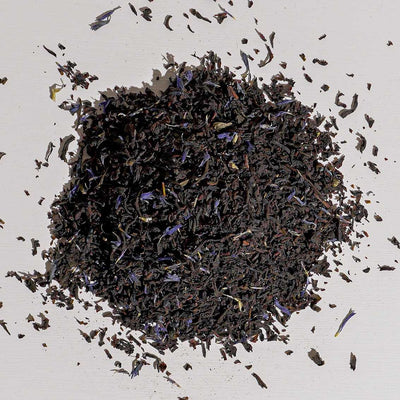
Black tea comes from the leaves of the Camellia sinensis plant. The leaves get fully oxidized during the processing, which is what gives black tea its distinctive dark color and bold tasting flavor. This is what sets it apart from green tea or white tea, the other types of teas that have a different taste.
For centuries, black tea has been enjoyed in places like China, India and Europe, and it's become an important part of many different traditions and daily routines. Whether it's a fancy tea ceremony or a simple cup of tea at home, black tea has a special place in many people's lives.
Some of the most popular kinds of black tea include Earl Grey, Masala Chai and English Breakfast. Each one has its own unique flavor and it also comes in different amounts of caffeine so it does offer something for everyone. Compared to coffee, many people find black tea to be a much milder drink.
What is Coffee?

Coffee comes from the Coffea plant and is made up of roasted beans. Farmers go out and pick the coffee cherries, pull out the beans and then roast them so you get that nice aroma and taste that you associate with a cup of coffee.
Roasting has a lot to do with how coffee tastes, naturally. Light roasts tend to bring out those brighter, fruitier notes whereas darker roasts will give you a deeper, more robust flavor that's all the more full-bodied.
For a lot of people, grabbing a cup of coffee is an important part of their morning, and that's primarily because of the caffeine boost that energizes them. A plain black coffee, without milk or sugar, is a great way to get a real taste of the bean - the roasted flavor and the bitterness shine through.
Flavor Comparison
Flavor is often a deciding factor when it comes to choosing between tea and coffee. Black tea has all these different layers of aroma that can be anything from malty and nutty to floral and sweet aroma. By comparison, coffee brings out stronger roasted notes and a body that's full and heavy.
The way the brewing process works brings out the distinct characteristics of each. As tea leaves steep, they release these subtle flavors that make for a calm and interesting experience. Coffee beans release all these oils and other things that gives you a much bolder taste and a stronger aroma.
Some people love the sheer intensity of a good cup of coffee, while others would prefer the more gentle gradual complexity of a cup of tea.
And then of course you have all the different blends and brewing methods to mix things up even more. Tea fans love experimenting with things like Earl Grey or Masala Chai to add a little depth to their cup, while coffee lovers often try out different methods like espresso, drip brewing or French press to really make the flavor shine.
Flavor preference often shapes whether people reach for a cup of tea or a cup of coffee each morning.
Characteristic |
Black Tea |
Coffee |
|---|---|---|
Aroma |
Floral, malty, sometimes citrus |
Roasted, nutty, smoky |
Flavor intensity |
Medium and layered |
Strong and bold |
Body |
Light to medium |
Medium to heavy |
Bitterness |
Mild to moderate |
Often pronounced |
Finish |
Clean and smooth |
Lingering and rich |
Caffeine Comparison

When it comes to caffeine, people often find themselves wondering which is better, tea or coffee. But what matters here is that the amount of caffeine can be all over the place depending on what you're drinking and how you brew it.
A standard cup of coffee is usually going to have a lot more caffeine than a cup of tea. Take the average 8 oz cup of coffee for example, that can contain anywhere from 95 to 165 mg of caffeine. Now, black tea with the same volume, will probably have about 30 to 90 mg of caffeine in it. Keep in mind, though, that that can all change depending on how strong you like your brew and how big your cup is.
This difference in caffeine levels is probably why you get such a different effect from a cup of coffee compared to a cup of tea, and that effect may feel more immediate for some individuals, especially when coffee is consumed quickly or on an empty stomach.
Now tea does have caffeine, but not as much as a lot of coffee drinks. And this is where L-theanine comes in that's also found in tea, and it can kind of soften the effect of the caffeine. Some people say that this makes the caffeine feel smoother or more balanced, but its different for everyone.
Both of these drinks will give you a little boost, but the way that boost feels is different. Coffee is going to hit you quick and fast and have a pretty significant effect, but black tea is a lot more gentle and can keep going for a while.
Drink |
Average Caffeine Content |
Energy Effect |
|---|---|---|
Black tea (8 oz) |
30 to 90 mg |
Smooth and steady energy |
Brewed coffee (8 oz) |
95 to 165 mg |
Fast and intense energy |
Health and Lifestyle Comparison
Both tea and coffee can be a perfectly fine part of your daily routine if you get them right. But its the naturally occurring plant compounds in each that make them stand out. One thing that sets black tea apart is the subtlety of its taste and the gentle buzz you get from drinking it. It tends to be the preferred choice for people who are after a calm but steady pick me up throughout the day. The reason black tea can deliver this is L-theanine, a naturally occurring amino acid that's just part of the mix, and which can contribute a sense of being in the zone and feeling balanced.
Coffee is quite a different proposition. It delivers a more immediate kick due to its higher caffeine content. And for many people, that means it is energizing, though responses to this vary from person to person and the brewing method used can make a big difference. Some may find that they are way more sensitive to caffeine than others, and that can be a bit of an intense experience at times.
Both of these drinks offer up a fair bit of versatility in your daily life. There are many different tea blends and flavors out there, so whether your day involves a busy office or just a quiet day at home, there is a tea suitable for you. And then there is coffee, its bold flavor and the countless ways you can prepare it have made it a key part of all sorts of social and cultural rituals worldwide.
Brewing Behavior Comparison

The brewing process makes all the difference between the unique character of tea and the unique character of coffee. Tea leaves let their flavors and aromas seep out gradually while steeping, creating a nice clear cup with a delicate texture. It's this slower flavor extraction that lets those lovely subtle tasting notes stand out, and that's what gives tea its signature layered, not-too-sharp taste.
Coffee, on the other hand, extracts its flavor in a quicker time, releasing all sorts of oils and compounds that help to make it thicker, richer and definitely bolder. So the result is a much more intense cup that has depth and multiple complex flavors
Coffee, on the other hand, extracts its flavor in a quicker time, releasing all sorts of oils and compounds that help to make it thicker, richer and definitely bolder. So the result is a much more intense cup that has depth and multiple complex flavors
The cup of tea or coffee we get depends on different factors, including water temperature, steeping or brewing time, how coarse the grind is and even the method of making it. While tea tends to produce a lighter, almost dainty cup that's all about being subtle, coffee tends to produce a thicker, more concentrated drink that's plain intense. So understanding these differences lets you adjust your brewing techniques to suit your taste and get the flavor experience you're after.
Factor |
Black Tea |
Coffee |
|---|---|---|
Extraction speed |
Gradual |
Faster |
Aroma development |
Gentle and layered |
Strong and immediate |
Texture |
Smooth and light |
Rich and heavy |
Clarity |
Clear liquor |
Opaque brew |
Flavor balance |
Subtle complexity |
Strong concentration |
These differences explain why tea often feels lighter while coffee feels stronger.
Which Tea Is Better for Daily Drinking

Many people are torn between tea and coffee when it comes to which one to drink every day. Black tea is a top pick for daily sipping, and for good reason: it has a smooth and balanced taste that most people enjoy. On top of that, the natural mix of caffeine and L-theanine in black tea gives a nice energy boost that's easy to handle. Now, when it comes to coffee, moderation is key. Too much caffeine can leave you jittery or crashing.
If you're looking for a new favorite, take a browse through our handpicked top black teas. You never know what hidden gems you might discover that'll fit right into your daily routine. To be honest, tea just has this lovely quality that makes it the perfect morning pick-me-up (or afternoon or evening). It's got this wonderful aroma and taste that perks you right up, without overwhelming you.
Which Tea Is Better for Beginners
For people still getting used to caffeinated drinks, the choice between coffee and tea often all comes down to how it tastes and what its like to drink. Coffee's got a pretty strong taste and a decent amount of caffeine in it, which can be a little overwhelming if you're drinking it for the first time. Plus, its robust flavor may not be to everyone's taste if they're looking for something a little milder to get started with.
Black tea, on the other hand, is a good place to start. The taste is more balanced, there's not too much caffeine and not too little either. You can get a real sense of the different aromas without having to deal with all the intensity that comes with coffee. Flavors like Earl Grey and Masala Chai are good options if you want to try something that tastes nice without being too overpowering. Herbal teas, on the other, hand are a great option. There's peppermint, and chamomile and none of them have any caffeine, so you can have them at any time of day.
Because there are so many different types of tea, newbies can try a few of them and then work out which one works best for them. Maybe you like your tea with a bit of spice or maybe you like it nice and plain. Either way, you can find something that suits your taste and your daily routine.
Which Morning Drink Should You Choose
Choosing between a cup of tea or a cup of coffee often comes down to what you personally like, your daily habits and what you need to keep you going. On one hand, there's coffee. It's a bold drink that delivers a strong impact. People use coffee to kick-start their workday and help them get productive.
Tea's a different story. It's a gentler way to wake yourself up and it comes in different delicious flavors. You have black teas and green teas, herbal blends and other teas. So if you're one of those people who likes to try a little bit of everything, then tea is probably the best option for you. Plus, it's got this lovely gradual effect that feels much more relaxed and easy to take in.
Lots of people like to mix it up a little and have both tea and coffee in their day. Maybe a coffee to get them going in the morning, but a nice cup of tea to help them unwind later on or focus on their work. Though, the most important thing is to pick the drink that you like the best and that fits in with your crazy schedule.
FAQ
Is it better to drink tea or coffee every day?
Both will do just fine in a balanced routine. But for some people, tea is a safer choice for daily consumption because it usually has less caffeine than coffee, and it's L-theanine can help you avoid the jitters. It's a steadier, more balanced way to get that caffeine.
What tea is good to replace coffee?
If you're looking for something that can replace coffee, strong black teas are probably your best option. English breakfast, assam and masala chai are all good options. They've got bold flavors and enough caffeine to get the job done.
Which black tea has the most caffeine?
Assam tea is probably one of the black teas with the most caffeine in it, but still generally less than a standard cup of coffee. Just bear in mind that brewing method can greatly affect the amount of caffeine in your tea.
What is the best tea for breakfast?
English breakfast tea is still the classic choice for starting the day, and for good reason. Its got a robust flavor that goes well with food and will give you a decent amount of caffeine.
Does tea have more caffeine than coffee?
No, it doesn't. Brewed coffee generally has more caffeine per cup than black tea. Although some people might believe that tea gives them a more gentle, more gradual lift and that might be due to the L-theanine.
Final Notes
When comparing black tea and coffee, we can see how different they are, and what makes each one special. Coffee is known for its strong bold flavor and a burst of caffeine that hits you straight away. Black tea, on the other hand, is generally a little more laid back, offering a gentler, smoother experience with a diverse range of flavors, and an incredibly rich cultural history.
Many people enjoy both drinks at different times of the day. A morning coffee to get the day going and a soothing cup of tea later on to wind down. Exploring the different varieties of black tea allows you to discover all sorts of subtle little nuances in terms of aroma, flavor and brewing style that suit your taste.
Whether you're totally new to tea or a seasoned coffee aficionado, browsing through premium tea collections and guides at Taste of Tea can be a great way to figure out the drink that's right for you and your lifestyle - and actually sort out what time of day suits your tea (or coffee) best.
Behind the Cup

Patrick R.
Patrick is a tea enthusiast who enjoys writing about tea and exploring its rich history, culture, and flavors. He contributes to Taste of Tea by sharing his thoughts, discoveries, and personal insights into the world of tea.
Further Reading