Exploring Tea and Coffee
Comparing flavor, caffeine, health benefits, and brewing behavior
Which one would be perfect for you
Introduction
The eternal question - tea vs coffee - this is a debate that has been brewing for years and shows no signs of slowing down. These two beverages are woven deep into the fabric of our daily routines, morning rituals and social habits. A lot of people wonder which one is better for your health, gives you a boost of energy and supports your long term goals.
This little guide is here to help tea lovers, coffee enthusiasts and anyone in between who's torn between the two. Whether you need a boost from a strong coffee or you turn to tea to balance things out, understanding the differences between these two will help you make some more informed choices.
What is Tea?
Tea comes from the Camellia sinensis plant - one of the most widely cultivated plants in the world. Tea farmers harvest the leaves, and then they've got to dry, roll and oxidize them - a process that creates all the different styles like green tea, black tea, white tea and oolong.
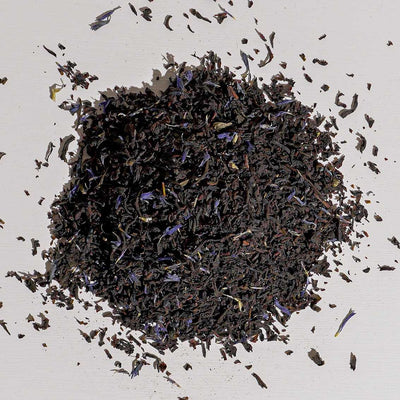
Now, green tea is going to oxidize very little and retain that lovely fresh, grassy flavor. Black tea on the other hand gets fully oxidized and develops this really rich, full-bodied taste. White tea uses those young, young buds and produces a light, subtle cup.
To make a cup of tea you basically just pour hot water over the leaves - simple as that. The brewing process pulls out all the flavor, the aroma, the caffeine and all the natural goodness that tea has to offer. And let's be honest, tea consumption has been a part of so many cultures across Asia, Europe and the Middle East.
If you are looking to go on a little tea discovery, with all the different styles and benefits to explore, we've got a great selection of green tea, white tea, and black tea to tickle your fancy and suit every taste and occasion.
What is Coffee?
Coffee comes from actual coffee beans that have been roasted - these are actually the seeds of the Coffea plant and you can commonly find them growing in tropical regions. When they're harvested, they get to go through the whole process of fermentation, drying, roasting, and then get ground down.
This roasting process is what actually brings out those bold flavors and the rich aroma that we all love - interestingly enough light roasts have a brighter, more acidic taste, while dark roasts have a deeper, more bitter one.
People get their coffee by basically just pouring hot water over ground up coffee beans, and they've got a load of different ways to do this too - drip, espresso, French press, and even cold brew. You'll find that a lot of people rely on a cup of coffee in the morning to help get them going and feeling alert.
Flavor Comparison

One of the biggest differences between coffee and tea though is probably taste. Now tea can come in a ton of different flavors depending on what kind and where it's from - green tea tastes super grassy and fresh, for example. Black tea's got a malty flavor, white tea's light and floral, and so on.
Coffee though, tends to have a lot more depth to it - often you can taste that its been roasted, or that it's got a sort of bitter or chocolatey taste to it. And if you're drinking an espresso you really get a rich intense flavor and a thick mouth feel. If you're drinking black coffee, its sharp and concentrated.
In contrast, tea feels really smooth and clean to drink, while coffee feels heavier and more intense on your palate. If you ask tea drinkers, they'll often say they like the subtle layers of flavor - but coffee drinkers? They tend to prefer a good strong taste, and a rich flavor. Of course, ultimately, though it all comes down to personal choice and what you're used to. Some people love adding milk or sugar to either one to soften it a bit.
Caffeine Comparison
A cup of joe usually has more caffeine than a cup of tea, but the thing is the actual amount can vary all over the place depending on the specific plant variety of either the tea leaves or coffee beans, and how they've been processed.
And to top it off, the ranges that get published often overlap as well. But still, because more coffee grounds are used when brewing, you end up with a cup that's got a higher caffeine content - and that can be anywhere from about 80 to 206 mg per 8 ounces.
As for tea - the amount of caffeine in it can go all over the place depending on what kind of tea its and how you brew it. Most white and green teas are pretty low on the caffeine scale per cup. But an average 8-ounce cup of tea usually contains between 15 to 70 mg of caffeine, but it still depends on the specific type of tea and its brewing method, but in general white & green teas are on the lower end and black & oolong teas are on the higher end.
The upshot is standard cups of tea generally contain less caffeine than standard cups of coffee, but that's not always the case. And of course, the thing is people's reactions to caffeine can be all over the map too. Lots of people only need a cup of coffee to start feeling like they're buzzing with energy, though that's far from the case for everyone.
Tea on the other hand tends to release its caffeine more slowly because of natural compounds like l-theanine - that's an amino acid that helps you stay focused without getting all jumpy.
Health and Lifestyle Comparison
Health plays a pretty big role when it comes to the age old coffee versus tea debate. Both of these popular beverages are chock full of good stuff like caffeine, catechins, and amino acids that all add up to make them good for you. One way they do that is by giving you a much needed boost in energy and helping you tackle an active lifestyle.
Now, tea has got something that sets it apart from coffee - a whole bunch of antioxidants that do a great job of protecting our cells and have been studied by nutritionists to death. Green tea is particularly high in catechins such as EGCG, which is being looked at for its long-term health benefits and a lot of other people are interested in as well.
And then there is L-theanine, an amino acid that when consumed with caffeine, has been shown to make us feel more relaxed and focused at the same time. And it's no surprise that nutrition pros are always talking about tea when it comes to overall eating habits.
Coffee on the other hand, also contains antioxidants and bioactive compounds that scientists are studying to see how they affect our long-term health. And let's be real, many of us reach for a cup of coffee as a way to kickstart our motivation, especially before we hit the gym.
Researchers in public health are always working to figure out how both of these beverages fit in with our overall wellness plan when we drink them in a thoughtful way. Now when it comes to their acidity levels, coffee is pretty much a whole different ball game from tea - some people report that it gives them stomach aches, though everyone's body is different and it's hard to say for sure.
Disclaimer: These statements have not been evaluated by the Food and Drug Administration. This product is not intended to diagnose, treat, cure, or prevent any disease.
Brewing Behavior Comparison

Tea goes easy on the water as it gets hot. It takes its sweet time releasing its delicate aroma and flavor into the brew, leaving the liquid looking clear and light. The texture's smooth and balanced - a perfect cup for sipping.
It infuses fast and turns a pale green color. Black tea does its thing a bit more slowly and ends up a rich amber. White tea's a bit of a delicate flower. It infuses softly and remains just as dainty.
Coffee, on the other hand, blows its top in hot water. The oils and solids in those coffee beans are ripped out and splashed into the brew. It's a heavier, more opaque liquid that packs a punch. And boy does it produce a strong, thick aroma. Tea brewing, by the way, is all about clarity and lightness.
Which is Better for Daily Drinking
Tea can be a great daily pick-me-up. But the lower caffeine count might mean less sleep disruption and jitters. Problem is, people are different and that caffeine sensitivity can vary wildly - even in people who drink the same amount.
Eating too much tea each day can bring some nice benefits like antioxidants, but in moderation - because too much can be a bad thing and start causing sleep disruptions or send you scurrying to the loo all the time.
Green tea's a top pick for daily routines because it's got a clean, crisp taste and a bit of a mellow energy boost. Black tea, if you're looking for a bit more oomph without going all out for coffee, is a safe bet for mornings.
And let's not forget that too much caffeine in either tea or coffee can really mess with your sleep, especially if you're one of those sensitive types. If you're older you might want to think twice about how much coffee you really drink and its impact on your sleep and overall health.
Coffee's for people who likes a bold taste to match. But if you're drinking it too often you might start to feel the negative effects on your sleep and stomach.
If you fancy the fresh, pleasant taste and moderate caffeine kick of green tea, you might want to take a look at our detailed guide to the Best Green Teas to find the perfect cup to keep you going throughout your day.
Which is Better for Beginners
Lots of newbies start with tea rather than coffee and that's perfectly fine because tea has a much gentler learning curve and its got a vast range of flavors to try out. If you're new to the world of tea then white tea's a great place to start if you like your tea nice and light.
Green tea's where you go if you want something pleasant and fresh feeling. And if you're one of those transitioning from coffee then black tea's probably your best bet - it's a bit closer to what you're used to.
Now most people who start with coffee struggle with its bitterness and acidity, and the worst offender is probably the espresso which is just brutal on the taste buds unless you're one of those super skilled baristas. But tea? Yeah that's a whole different story - the brewing is way more forgiving and you get a much gentler hit of all those lovely sensory experiences.
Which Should You Choose

At the end of the day, whether it's coffee or tea for you is all about your lifestyle, how much energy you need and what your health goals are. I mean if you're someone who wants to be even more calm and focused for your meditation or studying then tea's probably the way to go. On the flip side if you're a high flyer who needs a quick energy boost before hitting the gym then coffee's probably your cup of tea.
Of course both coffee and tea have their place in the world - and both of them can be a key part of daily routines that are all about finding the right balance, getting the body moving and being super mindful of everything you put into your body. Tea's often associated with a steady flow of energy and for many people it's just a natural part of their hydration routine.
Coffee on the other hand is the go to for when you need to perk up and get some work done. Some folks with sensitive tummies or sleep issues do way better on tea - while those with the crazy demanding schedules often swear by coffee. At the end of the day the best choice for you is really about what your body and daily habits need.
FAQs
Which is healthier coffee or tea?
Both these drinks have got some great health benefits coming their way. Tea is packed with antioxidants that have been studied extensively by researchers to figure out their overall effect on health. Coffee on the other hand has compounds that researchers are still trying to figure out if they can help with long term well being.
How much caffeine in green tea vs coffee?
Green tea has less caffeine compared to coffee. Now the thing is that this tea usually has less caffeine than coffee - though the amount of difference can vary greatly depending on how you prepare it.
Why do people drink coffee instead of tea?
A lot of people prefer coffee because it's got a stronger caffeine kick and it gives them a faster energy boost. Plus it's got a bold flavor and it's often a social thing to do.
Final Notes
Tea and coffee both have some amazing traditions behind them, their own unique flavors, and by now they've also been studied extensively when it comes to how they affect our health. Tea is great for helping us stay hydrated and it's often associated with a steady, gentle energy boost. On the other hand coffee really helps with focus and performance.
At the end of the day the preference between tea and coffee is really a personal choice which gets influenced by our lifestyle and our health needs. Both these drinks can fit easily into our busy routines if we drink them mindfully. Go and check out Taste of Tea to discover what your perfect daily drink is - try out different types and find what works best for your body.
Behind the Cup

Patrick R.
Patrick is a tea enthusiast who enjoys writing about tea and exploring its rich history, culture, and flavors. He contributes to Taste of Tea by sharing his thoughts, discoveries, and personal insights into the world of tea.
Further reading