Naturally caffeine free herbal tea with a refreshing tart flavor
Contains naturally occurring plant compounds, including anthocyanins
Commonly discussed in antioxidant research and wellness routines
Popular as part of balanced daily herbal tea habits
Table of contents
Introduction
Hibiscus tea is known for its bright red color and tart flavor. Many people search for hibiscus tea benefits because of its antioxidant content, caffeine-free profile, and versatility as a daily herbal beverage. Its tart taste and caffeine-free profile make it a popular choice among herbal tea drinkers.
This tea has a naturally tart flavor and contains plant compounds that have been studied in preliminary nutrition and botanical research. Many consumers choose hibiscus tea as a flavorful plant-based beverage to include in their daily routine. It can be enjoyed hot or cold, making it a versatile herbal beverage for any time of day.
What Is Hibiscus Tea?

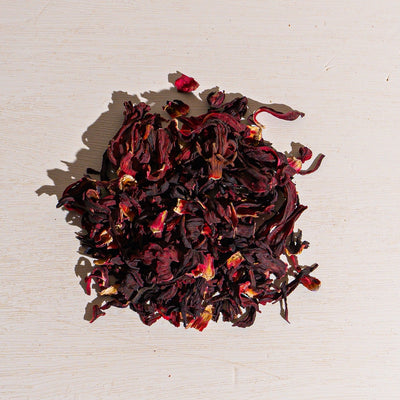
Hibiscus tea is made from dried hibiscus calyces - most often from the Hibiscus sabdariffa plant, a member of the Malvaceae family native to tropical regions of Africa and Asia. This hibiscus plant has been used traditionally in various cultures for food and herbal preparations. The bright red calyces are commonly used in beverages, foods, and traditional herbal preparations.
Hibiscus tea is also known as sour tea, sorrel tea, or Sudanese tea in different regions. It has a distinct taste compared to other herbal teas.
Hibiscus tea is prepared by steeping dried hibiscus calyces in hot water, producing its characteristic deep red infusion. The result is a refreshing herbal infusion with a naturally tangy flavor and vivid red color. Explore our hibiscus tea collection to find loose leaf and tea bag options suited to your daily tea routine.
Recommended Hibiscus Tea Categories
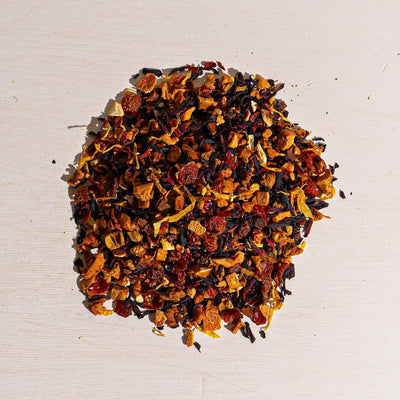
Hibiscus tea is available in several formats: loose leaf, hibiscus tea bags, and blended herbal tea variations featuring fruits or herbs. Each format offers different advantages in flavor intensity, brewing convenience, and serving style.
Other herbal teas, such as rose tea, cranberry tea, and rooibos tea, are also popular options for caffeine-free tea drinkers. Each option offers a distinct flavor, aroma, and serving experience.
Key Compounds and Nutritional Profile
Hibiscus contains naturally occurring plant compounds, including anthocyanins and other polyphenols, which are commonly discussed in relation to antioxidant activity.
Polyphenols in hibiscus have also been examined in preliminary research, though findings should not be interpreted as proven benefits from drinking brewed tea. However, human research remains limited. These compounds contribute to consumer interest in hibiscus as a plant-based herbal beverage.
Hibiscus tea may contain small amounts of naturally occurring nutrients, though brewed tea should not be treated as a significant source of vitamin C.
Much of the existing research focuses on hibiscus extracts or concentrated preparations, which are not the same as everyday brewed hibiscus tea. Laboratory and limited human studies have suggested that these compounds may have measurable biological activity, but additional research in humans is needed to determine whether these findings translate into meaningful long term dietary relevance.
Potential Hibiscus Tea Benefits and Research Notes

Research Interest Around Hibiscus Preparations
Some preliminary studies have examined hibiscus preparations, including extracts and brewed forms, in relation to blood pressure markers. Findings remain mixed and may depend on dosage, preparation, and individual health status. People taking blood pressure medication should speak with a healthcare professional before drinking hibiscus tea regularly.
Research Interest Around Hibiscus Compounds
Hibiscus tea contains naturally occurring antioxidant compounds. Some early studies have examined hibiscus preparations in relation to select nutrition research markers, but conclusions remain limited and should not be applied directly to everyday brewed tea.
For consumers seeking caffeine-free herbal beverages with naturally occurring botanical compounds, hibiscus tea remains a commonly chosen option.
Early Research on Hibiscus Compounds and Antioxidant Activity
Early studies have examined hibiscus compounds in relation to antioxidant activity, but these findings remain preliminary and should not be interpreted as confirmed benefits from drinking hibiscus tea.
Animal and laboratory studies provide only early observations related to antioxidant activity. These findings should not be interpreted as confirmed benefits from routine hibiscus tea consumption. Human research in this area remains limited.
Current evidence remains preliminary, and additional human research is needed before drawing firm conclusions.
Hibiscus Tea as a Low-Calorie Herbal Beverage
Hibiscus tea is sometimes included in balanced low-calorie beverage routines because it is naturally caffeine free and contains no added sugar when consumed plain. Some studies have examined concentrated hibiscus preparations in broader nutrition research, but these findings should not be applied directly to everyday brewed hibiscus tea.
Research on hibiscus extract has appeared in broader nutrition discussions, but extract research should not be treated as direct evidence for brewed tea. However, brewed tea should not be viewed as a standalone dietary strategy. As with any beverage, hibiscus tea fits best within an overall balanced dietary routine.
Antioxidant Compounds in Hibiscus Tea
Hibiscus tea contains naturally occurring antioxidant compounds commonly discussed in plant-based food and beverage research. This contributes to its popularity among consumers seeking plant-based herbal beverages.
Compounds Studied in Early Laboratory Research
Several hibiscus compounds have been examined in laboratory settings for various biological properties. These findings are preliminary and should not be interpreted as confirmed wellness outcomes from routine tea consumption.
How Hibiscus Tea Fits Into Daily Routines
Many consumers incorporate hibiscus tea into their regular coffee or tea routines. Because it is naturally caffeine free, it can fit into both morning and evening tea routines. It also serves as a flavorful alternative to sweeter bottled beverages.
It can be enjoyed hot or cold, making it a versatile herbal beverage. Cold brew hibiscus tea is especially popular in warm climates. As a caffeine-free brewed beverage, hibiscus tea can also contribute to general daily fluid intake.
Its tart profile pairs well with citrus, while natural sweeteners can soften its sharpness for those who prefer a milder flavor. Many consumers choose it later in the day as a light herbal beverage.
How to Drink Hibiscus Tea

To prepare hibiscus tea, steep dried hibiscus calyces or tea bags in boiling water. Allow the tea to steep for several minutes, adjusting brewing time depending on preferred flavor strength.
When prepared plain, hibiscus tea is a naturally low-calorie herbal beverage. It can be served either hot or chilled. Adding a squeeze of fresh lime juice can enhance the tangy flavor.
Drinking hibiscus tea in moderation can fit easily into a daily herbal tea routine. Explore our best hibiscus teas to compare options suited to your preferred flavor and brewing style.
Who Should Avoid or Limit It
Hibiscus tea is commonly consumed as an herbal beverage, but certain individuals may wish to use caution. People taking blood pressure medication should speak with a healthcare professional before drinking hibiscus tea regularly.
If you are pregnant or breastfeeding, consulting a healthcare professional before regular consumption is recommended.
Disclaimer: These statements have not been evaluated by the Food and Drug Administration. This content is not intended to diagnose, treat, cure, or prevent any disease.
FAQs
What happens if I drink hibiscus tea every day?
Drinking hibiscus tea every day may contribute to daily fluid intake and provide naturally occurring plant compounds as part of a balanced beverage routine. Individual dietary experiences will vary depending on overall lifestyle and beverage habits.
How does hibiscus tea compare with green tea?
Green tea and hibiscus tea have different characteristics. Green tea contains caffeine and catechins, while hibiscus tea is naturally caffeine free and known for its tart botanical flavor.
Who should use caution with hibiscus tea?
People taking blood pressure medication or those with naturally low blood pressure should speak with a healthcare professional before drinking hibiscus tea regularly.
Does hibiscus tea have caffeine?
No. Hibiscus tea is naturally caffeine free because it is an herbal infusion made from dried hibiscus calyces. It is commonly chosen by individuals avoiding caffeinated beverages.
Final Notes
Hibiscus tea continues to attract interest as a caffeine-free herbal beverage with naturally occurring plant compounds that remain the subject of ongoing research. Its tart flavor, vivid color, and flexible preparation styles contribute to its popularity among herbal tea drinkers.
Its bright flavor profile makes it well suited to both hot and cold beverage preparation. Explore loose-leaf blends, hibiscus tea bags, and fruit teas to find a preparation style that suits your preference.
Behind the Cup

Patrick R.
Patrick is a tea enthusiast who enjoys writing about tea and exploring its rich history, culture, and flavors. He contributes to Taste of Tea by sharing his thoughts, discoveries, and personal insights into the world of tea.
Further Reading