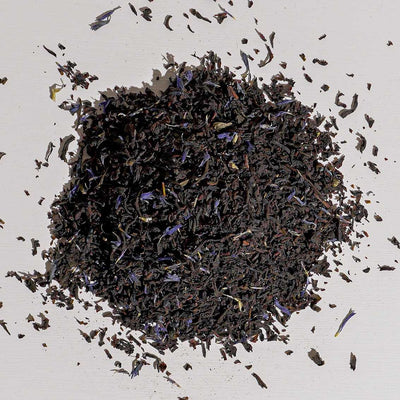
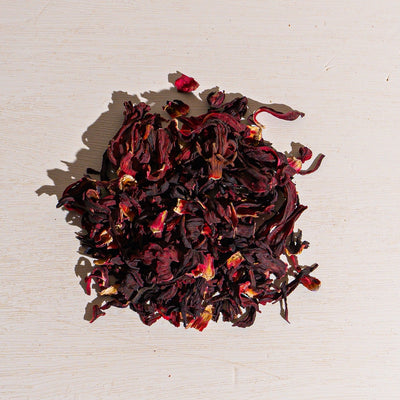
Naturally caffeine-free herbal tea with a bold, warming flavor
Commonly enjoyed as part of soothing daily tea routine
Contains naturally occurring compounds commonly discussed in antioxidant research
Overview of ginger tea safety, suggested intake, and potential interactions
Table of contents
Introduction
Ginger tea is a warm, soothing herbal infusion made by steeping fresh ginger root, dried ginger, or ginger powder in freshly boiled water. The ginger plant, scientifically known as Zingiber officinale, is widely believed to originate from Southeast Asia and belongs to the Zingiberaceae family; it has a long history of use in both culinary and medicinal traditions across various cultures.
Ginger tea is widely enjoyed for its bold, warming, and naturally spicy flavor. But one of the key reasons for its popularity is that it is naturally caffeine-free. As a result, it's been a traditional favorite for centuries and is often associated with traditional wellness uses and ongoing research interest. Ginger tea is commonly associated with digestive comfort, antioxidant activity, and metabolic wellness, although research on ginger often uses extracts or higher doses rather than tea alone. Ginger tea is a versatile beverage that may support overall wellness as part of a balanced diet.
What Is Ginger Tea?

Ginger tea usually gets brewed with either raw ginger slices, dried ginger, or even the convenience of ginger powder. When it comes to fresh ginger root, the flavor it gives to your tea delivers a strong and characteristic flavor profile. Others prefer to use ginger powder or just put it in a tea bag, and both of these options give you a consistent flavor that's easy to rely on.
For centuries, ginger root has traditionally been used in herbal practices for its potential functional properties - and it's been used to help deal with nausea, reduce inflammation, and may support normal immune function.
The tea itself is naturally caffeine free, and that's just one of the reasons people like it. The distinct peppery taste with just a hint of sweetness is what makes it so unique. If you want to enhance the flavor of the tea, you can always add a bit of honey, a squeeze of lemon, some turmeric and black pepper - it may enhance both flavor and the overall sensory experience.
Ginger has been used in herbal medicine for a long, long time as a way to help with various ailments. Adding extra ginger or using higher concentrations can influence the tea’s health benefits and potential side effects.
Ginger Tea Benefits You Should Know
Aid Digestion and Reduce Nausea
Ginger is commonly associated with digestive support, thanks to compounds like gingerol that have been studied for their potential role in supporting digestive processes. Consuming ginger may help support digestive comfort, including bloating and gas, which may contribute to abdominal bloating and intestinal gas.
Lots of people rely on ginger tea to help with nausea - it is commonly used to help manage symptoms of motion-related discomfort or morning sickness during pregnancy. And if you're feeling a bit bloated or full, it can help with that too.
Chronic Inflammation and Anti-Inflammatory Effects
Ginger contains bioactive compounds that have been studied for their anti-inflammatory properties, down to compounds like gingerol and shogaol that may help support a normal inflammatory response. These properties are so potent that they've been studied in clinical trials for conditions like osteoarthritis and muscle pain, and studies suggest that ginger extract is generally well tolerated within commonly recommended intake levels.
Ginger has also been shown to be a pretty useful tool when it comes to supporting joint comfort and mobility, and can even help with recovery after exercise. It's been studied as a way to support joint and muscle function, particularly in people with osteoarthritis - and some studies have shown that it really can work.
Pain Relief and Menstrual Cramp Relief
Ginger's been shown to have some potential when it comes to relieving menstrual pain. Taking about 2 grams of ginger daily has been studied for its potential role in reducing discomfort in how severe menstrual discomfort is. And for those who prefer a gentler option - ginger tea is definitely worth looking into. It has shown some promising benefits that might just make it a winner when it comes to managing menstrual pain.
This may be of interest to individuals seeking alternative approaches to pharmaceutical painkillers. It's a natural option, after all, that just happens to have compounds that may be considered as part of a broader lifestyle approach. So, if you're someone who prefers a more holistic approach to pain relief, ginger is definitely worth considering.
Blood Sugar Control and Metabolic Effects
Regular ginger consumption may play a supportive role when it comes to supporting healthy blood sugar levels and overall metabolic function. It is low in calories and sugar free, making it a pretty smart choice for anyone looking to manage weight and support metabolic function as part of a healthy lifestyle.
Fresh ginger may have a role to play in weight management by influencing fat metabolism and controlling appetite. It may also help with weight management by potentially influencing metabolic processes related to fat storage, which in turn can give people a fuller feeling and reduce overall food intake.
Some studies have observed associations between ginger intake and changes in certain metabolic markers and fasting insulin levels in individuals with obesity. A particular study from 2015 also found that ginger might have a role in supporting metabolic markers associated with blood sugar regulation - but then again, it's not the first time some studies have suggested as much
Blood Pressure and Heart Health
Ginger may influence platelet function, which can help support normal blood circulation. It may also support cardiovascular health markers such as blood pressure and cholesterol levels, which is good news for heart health.
Ginger tea is quickly becoming a popular way to support heart health, and it's no surprise considering it has properties recognized for their antioxidant and anti-inflammatory effects. These benefits all add up to support cardiovascular function and overall cardiovascular health markers.
Immunity and Antioxidant
Ginger tea is basically a source of naturally occurring antioxidants, which in turn may support normal immune system function. Its been studied in lab settings for its potential impact on certain viruses, though human evidence is limited. Its extensive history of use also supports the idea that ginger can serve as a general aid to the immune system.
Ginger compounds have also been studied in laboratory settings for their effects on certain cell lines, though human evidence remains limited. On top of that, more evidence is needed to get a real sense of ginger's effects on a whole range of different cancer cell types.
Safety, Interactions, And Ginger Supplement Considerations

Ginger tea is generally considered safe for most individuals when consumed in moderation. You might get mild side effects like heartburn, gas, or diarrhea. But if you're on blood thinners or meds for high blood pressure and diabetes, ginger has a bit of a thinning effect on the blood, so be careful. And if you're pregnant, it's a good idea to ask your healthcare provider before upping your ginger intake or taking any supplementary ginger.
Lots of people use ginger supplements as a traditional way to deal with nausea and inflammation - they're a common choice to help with queasy stomach issues during travel or to help with post workout recovery. The idea behind all this is that ginger works by getting its active compounds like gingerols and shogaols to interact with the body's biological pathways, helping balance out inflammation and deal with the occasional twinge of nausea
Disclaimer: These statements have not been evaluated by the Food and Drug Administration. This content is not intended to diagnose, treat, cure, or prevent any disease.
How Much To Drink Ginger Tea
A typical cup of ginger tea is made with about 1 to 2 grams of ginger. Most adults can safely have up to 4 grams of ginger in a day but not everyone should follow this advice.
FAQs
Is it safe to drink ginger tea daily?
Yes, drinking 4 grams of ginger in a day is generally considered safe for most adults. Drinking ginger tea a couple of times a day is unlikely to cause adverse effects when consumed within typical dietary amounts to most people as long as you don't overdo it.
What is the best time to drink ginger tea?
You can drink a cup of ginger tea at any time of day depending on personal preference - whether it's morning, noon or evening. Some people like to have it with their meals to help digestion, others before bed to help calm any discomfort.
Can I drink ginger tea on an empty stomach?
Yes, you can have a cup of tea and get on with your day just fine on an empty stomach - ginger tea might even help with digestion and ease any nausea. Just bear in mind that if you have a sensitive stomach it may not agree with you.
Final Thoughts
Ginger tea offers a distinctive and enjoyable flavor experience. Not only does it taste great, but it may be a valuable addition to a balanced wellness routine. Incorporating fresh ginger tea into a healthy eating routine can promote wellness and support overall wellness.
If you want to get the full ginger tea experience, be sure to explore Taste of Tea - we have many unique blends that are all about helping you on your wellness journey.
Behind the Cup

Patrick R.
Patrick is a tea enthusiast who enjoys writing about tea and exploring its rich history, culture, and flavors. He contributes to Taste of Tea by sharing his thoughts, discoveries, and personal insights into the world of tea.
Further Reading