Understand the real difference between tisane vs tea
Learn how herbal teas and true tea are defined
Compare flavor, caffeine, and general wellness qualities
Discover which beverage fits your daily routine
Introduction
Tisane vs tea is a common comparison that's often brought up because, at the end of the day, they both look pretty similar when poured into a cup. But the issue is, lots of people tend to use the terms like they're interchangeable, which just creates a whole lot of confusion.
This guide is here to help you get a solid grasp on how herbal infusions and tea actually stack up against each other, especially if you are someone who's really particular about caffeine, flavor and your daily habits.
What Is Tisane?

A tisane is basically just an herbal infusion that's made from all sorts of things like herbs, flowers, fruits, roots, seeds and spices. But the key thing is, it's not actually considered a true tea because it's not made from that one specific plant - Camellia sinensis.
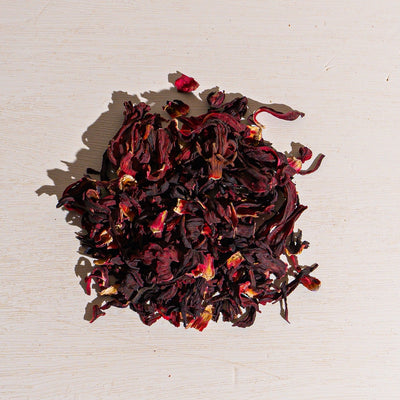
So tisanes are infusions made from the leaves, roots, berries and spices of all sorts of other plants, and they don't contain any Camellia sinensis leaves. Technically, they differ from true teas because true tea comes exclusively from the Camellia sinensis plant. The kinds of things you'd typically find in a tisane are things like chamomile, peppermint, hibiscus and rooibos, each of which will give you a completely different set of aromas and flavors.
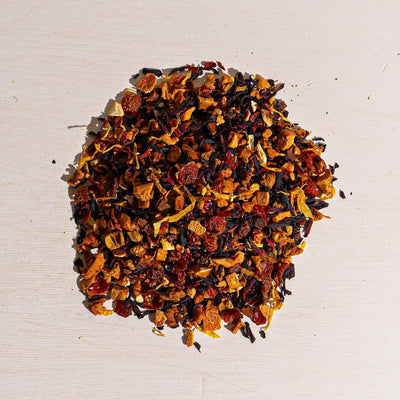
Many tisanes are blends of herbs, fruits, and spices, creating a wide range of natural flavors and aromas. Berries and dried fruits are pretty common in herbal tisanes, and they add not just a bit of flavor, but a bit of visual appeal too.
Most tisanes are naturally caffeine free which makes them perfect for unwinding and having in the evening. A lot of them also include ingredients that are traditionally used for soothing or helping with digestion. So it's pretty easy to find a tisane that fits into your daily routine whether you're after something to calm you down, something refreshing, or something that leans more towards being fruity.
Try our tisanes to find the perfect one for you and experience the soothing benefits for yourself today.
What Is Tea?

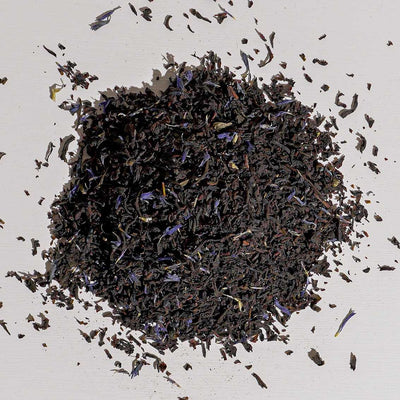
Tea refers specifically to beverages derived from the Camellia sinensis plant. And when we talk about real tea - that's what we're talking about: green tea, black tea, white tea, or oolong tea, all of which come from the Camellia sinensis leaves.
That's what defines the main types of traditional teas - green, black, white, and oolong. Each one develops its own unique personality because of how it's processed - how long it's exposed to air, how it's shaped and dried. And this is what ultimately decides whether a tea is light and grassy or strong and full-bodied.
Unlike herbal teas, which are called tisanes, the teas that come from the Camellia sinensis plant have caffeine - although it's easy enough to find a decaf version too. It also delivers structured flavor profiles that range from fresh and grassy to rich and full-bodied. Tea has been consumed for centuries and remains a central part of many cultures around the world.
Check out our collection to see what tea has caught your eye by taking a look at our best selling green tea selection.
Flavor Comparison
Tisanes are a real treat when it comes to variety in taste - you can get a real fruity sweetness, a floral softness that feels almost like a cloud, or even a spicy warmth that gets your senses going. Depending on what ingredients you use, it can be anything from a hibiscus infusion that's got a nice tang to it, to a lavender tea that's like a gentle hug in a cup of tea - soothing and calming, with just a hint of something lovely.
Tea, on the other hand, delivers a more structured and layered taste experience that's all down to the tea plant and how it's been processed. Green tea is all crisp and clean, like a spring morning, while oolong is like a complex puzzle that keeps you guessing, and black tea is perfect when you want something deep and satisfying. Plus, the taste often goes down a treat and leaves you feeling all balanced and relaxed.
Aspect |
Tisane |
Tea |
|---|---|---|
Flavor Profile |
Fruity, floral, spicy, aromatic |
Structured, layered, refined |
Common Notes |
Hibiscus (tart), lavender (soothing) |
Green (vegetal), oolong (complex), black (deep) |
Experience |
Expressive and varied |
Balanced and nuanced |
Caffeine Comparison
One of the best things about tisanes is that they have zero caffeine, which makes them a great choice for any time of day that you need a drink but don't want to feel like you're being energized. This is especially helpful in the evening or before bedtime if you're trying to avoid caffeine altogether. And the good news is that most tisanes don't have any caffeine in them, period.
Tea, of course, is a different story - it's got natural caffeine in it, but the amount can vary depending on what type you're drinking. So green tea usually has somewhere in the region of 20 to 45 milligrams of caffeine per 8-ounce cup of tea, while black tea tends to have more, around 40 to 70 milligrams per cup of tea. So if you're after a pick-me-up or a bit of energy to get on with your day, tea is probably the way to go.
Aspect |
Tisane |
Tea |
|---|---|---|
Caffeine Content |
0 mg per serving (caffeine free) |
20-45 mg (green tea), 40-70 mg (black tea) per 8 oz cup of tea |
Ideal Time to Drink |
Any time, especially evening or before sleep |
Morning or when energy and focus is needed |
Effect |
Hydrating, non-stimulating |
Provides energy and focus |
Health and Lifestyle Comparison
People often go for tisanes because they offer a wide range of tastes that appeal to different people - and the fact they're caffeine-free is a bonus. Blends can include ingredients that've traditionally been used to help with digestion or chill you out, depending on the mix. For instance, ginger and fennel are classic post-meal choices for when you need a little digestive aid, while chamomile is pretty much the go-to for unwinding after a long day.
On top of all that, tea is packed with antioxidants called polyphenols, which scientists have been studying for years to understand the benefits they bring to our health. Lots of people turn to tea because it provides a nice balance between having a bit of energy to get on with your day and also feeling good about the health benefits you're getting. Plus, it's easy to fit tea into your daily routine - especially if you're after a drink that's both functional and tastes good.
Disclaimer: These statements have not been evaluated by the Food and Drug Administration. This content is not intended to diagnose, treat, cure, or prevent any disease.
Brewing Behavior Comparison
Tisanes reveal their full flavor when brewed in hot water right from the start, and their infusion is often a vibrant display of color and a bold aroma - especially when they're made with flowers and fruits - and the texture can be as light as air or a bit rich depending on the mix.
Tea on the other hand unfurls its flavors gradually over the course of the steeping process, one layer at a time. The tea itself is usually a clear liquid, and as it steeps the aroma builds up slowly. This creates a really sophisticated drinking experience that just lasts and lasts, with a smooth finish that really lingers.
Aspect |
Tisane |
Tea |
|---|---|---|
Flavor Release |
Quick, vibrant, bold aromas |
Gradual, layered, evolving aroma |
Appearance |
Often vibrant colors |
Clear liquor |
Texture |
Light to slightly rich |
Smooth, refined |
Drinking Experience |
Expressive and immediate |
Controlled and nuanced |
Which Tea Is Better for Daily Drinking?
Tisane and tea can both be part of your daily routine, but they serve a slightly different purpose. Tisane is good for any old time of day because it's naturally caffeine free and you don't need to worry about timing. Tea is better suited to more structured moments - like when you need a bit of a gentle lift to get focused and energized.
Tisanes are pretty flexible and easy to work with. You can make them stronger or weaker without worrying about it, and the flavor is always approachable. If you're after some variety and a hassle free experience then checking out the best tisane guide might help you find a blend that matches your mood. Tea on the other hand offers a more refined experience, so if you want to create a daily ritual that's a bit more intentional then the best green tea guide is worth a look.
A lot of people actually enjoy having both in their daily routine. A tisane is good for a relaxing drink later in the day, while a cup of tea can help with focus and clarity earlier on. The choice between the two really depends on how you like to run your day, but all in all a combination of both can create a really satisfying rhythm to your daily life.
Which Tea Is Better for Beginners?

Tisanes are a pretty good place for beginners to start - they're relatively easy going and the flavors are pretty familiar, so you don't have to worry so much about getting the brew just right. Fruity herbal blends are great - they're pretty accessible and you can just enjoy them without too much fuss.
Tea itself can seem a bit more complicated at first because of all the different ways you can steep it and the nuances of flavor. But if you start with a green tea or something a bit lighter, you can ease into it and start to get a sense of just how much depth and character tea can have.
If you're a coffee drinker thinking of making the switch, Irish Breakfast tea might have a more familiar feel to it thanks to its robust body.
Which Tea Should You Choose?
If you're looking for something that's going to offer a bit of variety, a caffeine-free option, or just a nice soothing cup of tea any time of day, then tisanes might be the way to go. If, on the other hand, you're into the traditional stuff, want a bit of structure in your flavor, or you're after a natural energy boost to help get you through the day, then tea is probably the better bet.
Teas and tisanes both offer their own unique benefits and experiences, so the right one for you ultimately comes down to what you're after - are you looking for some chill time, a bit of energy, or just an excuse to explore all the different flavors out there?
FAQ
Is tisane the same as herbal tea?
Yes, tisane and herbal tea are two terms that mean the exact same thing - a drink made from plants other than tea. And yes they are usually caffeine free - unless of course the ingredients used happen to contain some.
Does tisane contain caffeine?
The majority of tisanes are completely free of caffeine because they don't come from the tea plant. Which makes them ideal for sipping on in the evening, when you want to unwind, or for people who just want to steer clear of caffeine altogether.
What is the difference between tea and tisane?
Tea comes from one very specific plant, the camellia sinensis, while tisane is made from all sorts of other plant material. And this difference makes a big difference when it comes to things like caffeine content, taste and your daily routine.
Can you drink tisane every day?
Yes, lots of people drink tisane every day because it not only tastes amazing but also helps with hydration and comes in loads of different flavors. Plus it's caffeine free so you can drink it anytime you like.
Final Notes
At the end of the day it's all about the source of the drink, the caffeine content and what you're after. Tea gives you a bit of structure, tradition and of course a natural caffeine boost to get you started in the morning. Tisane on the other hand offers various flavors and the flexibility to drink tea-free any time of day.
Imagine starting your day with a cherished cup of green tea to awaken your spirit and sharpen your focus, then winding down in the evening with a calming chamomile tisane that promotes relaxation and restful sleep.
Both tea and tisane have a special place in the hearts of people all around the world and each has its own unique characteristics and uses which makes them an essential part of your daily routine. Really it's down to personal taste and what you want to get out of drinking.
Why not pay a visit to Taste of Tea and see what we have to offer. We've put together guides that will help you find the perfect tea or tisane to suit your taste, your lifestyle and your daily needs.
Behind the Cup

Patrick R.
Patrick is a tea enthusiast who enjoys writing about tea and exploring its rich history, culture, and flavors. He contributes to Taste of Tea by sharing his thoughts, discoveries, and personal insights into the world of tea.
Further Reading