Understand the real difference between herbal tea and green tea
Compare caffeine, flavor, and wellness attributes in a clear and practical way
Learn how each tea fits into daily routines and lifestyle preferences
Decide which tea supports your lifestyle, energy needs, and wellness goals
Herbal tea vs green tea: this is one of those age old debates that often leaves tea wondering, especially those trying to make healthier life choices with drinking better quality beverages. They're right next to each other in cafes and stores, which naturally makes people think. But the reality is - they're not that similar after all.
The truth is their origins are different. Green tea comes from the Camellia sinensis plant, whereas herbal teas are actually made from a mix of dried herbs, flowers, fruits and spices.
This tea comparison helps cut through confusing labels and marketing claims. Many people look this up to reduce caffeine, choose lighter drink options, or understand how different teas fit their health goals. By clearly separating herbal tea from green tea, it becomes easier to choose the option that fits your daily routine.
What is Herbal Tea?

Herbal tea is just about any brew that comes from plants other than camellia sinensis, which technically makes 'real' tea. Unlike green tea, herbal tea is made of flowers, herbs, roots, seeds, bark, or fruits rather than tea leaves.
The fact that it doesn't use tea leaves means most herbal teas are naturally caffeine free, although there are a few plant-based infusions out there that'll give you a caffeine boost. This is also why you get such a huge variety in flavors and effects depending on what plants are used in the blend.
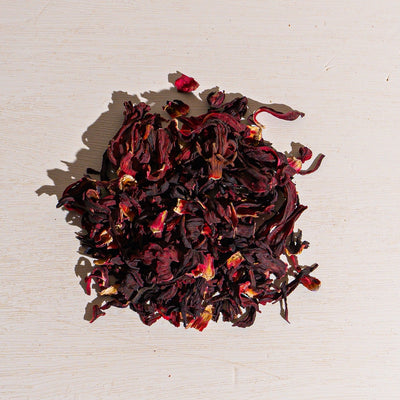
You'll find herbal teas come with one of the widest range of flavors on the tea scene too. Popular herbal teas include chamomile tea, peppermint tea, ginger tea, hibiscus tea, dandelion tea, raspberry leaf tea, and echinacea tea. Many people drink herbal teas as part of their relaxation routine and are often sweet enough they don't need any sugar added.
Why not give some of the many different herbal teas a go and discover your new favorite one - the perfect cup of something gentle and caffeine free.
What is Green Tea?

Green tea is made from the same camellia sinensis tea plant that gives us black tea, white tea and oolong tea. Instead of allowing the leaves to oxidize, the process is stopped early using steam or pan heating.
The minimal processing gives it a lighter, fresher taste with a lot of the good stuff still intact. Unlike herbal teas, green tea comes from the tea plant, which means you get the benefits of caffeine too. But don’t worry, it’s not going to keep you up all night — the levels are just right for a gentle lift.
Drinking green tea on a regular basis is often said to give you a nice little energy - the caffeine and an amino acid called L-theanine seem to work well together to give you a clear head and relaxed vibe. So if you want to stay focused without getting all jittery, give green tea a try.
Have a look at our selection of top-notch green teas - and find the perfect one to give you a boost and help you feel better in yourself.
Flavor Comparison

Herbal tea and green tea for all intents and purposes have vastly different tastes, because they come from completely different sets of ingredients. The flavor of herbal tea is pretty much determined by the plants used, which is why you can get such a wide variety of tastes across floral, fruity, spicy, earthy and sweet profiles - and that's not even getting into the all the in-betweens.
Green tea, which is only made from the leaves of the camellia sinensis, usually has got a really fresh, grassy or vegetal taste and can start to get a bit bitter if you steep it for too long. Some green teas also have a nutty or umami taste depending on where the tea's grown and how it's been processed.
When it comes to the mouthfeel, herbal tea is generally a pretty smooth and light cup, while green tea can feel a bit more robust and leave your mouth feeling slightly dry. Whether you prefer tea based on variety, and lots of aroma or if you like it more on the subtle side, is really going to boil down to your personal choice.
Aspect |
Herbal Tea |
Green Tea |
|---|---|---|
Flavor Range |
Floral, fruity, spicy, earthy, sweet |
Fresh, grassy, vegetal, sometimes nutty or umami |
Mouthfeel |
Smooth, light |
Robust, can be slightly drying |
Bitterness |
Generally mild, rarely bitter |
Can become bitter if over-steeped |
Variety |
Wide variety depending on plant used |
Limited to variations of green tea leaves |
Caffeine Comparison
For those keeping tabs on their energy levels, caffeine is where you'll notice the biggest difference between herbal tea and green tea. Most herbal teas contain zero caffeine because they generally don't come from the same plant that green tea does - the camellia sinensis plant.
This includes popular herbal tea options such as chamomile tea, peppermint tea, hibiscus tea, ginger tea, turmeric tea, lavender tea, and rooibos tea. These herbal teas are great for just racking up those daily fluid intake numbers - no stimulating side effects to worry about.
Green tea on the other hand does contain caffeine, although the amount - usually anywhere from 20 to 45 milligrams per cup - can vary wildly depending on the type of green tea, how much leaf you use and exactly how you brew it.
Herbal tea is usually the go to for unwinding, while green tea is the better choice if you're looking for a gentle energy boost. Tea lovers often choose one over the other depending on their own daily rhythms and what their bodies can handle when it comes to caffeine. And if you're in a hurry, green tea is easy to find in either loose leaf form or as a convenient tea bag.
Aspect |
Herbal Tea |
Green Tea |
|---|---|---|
Caffeine Content |
Generally caffeine-free |
Contains 20-45 mg per cup |
Source |
Various herbs, flowers, fruits |
Leaves of Camellia sinensis plant |
Health and Lifestyle Comparison
Both herbal tea and green tea are regularly found in the daily routines of people who are into living a fit lifestyle. They may both be about wellness, but they fit into people's daily lives in really different ways. Green tea is a bit of a superstar when it comes to the antioxidants it contains called catechins.
Green tea is a popular inclusion in a lot of the research related to weight management - it's pretty well-established that drinking it regularly can have a positive effect on your metabolism and eating habits. And on top of that, it tends to be enjoyed by people who follow heart-healthy diets, so it fits right in with a balanced lifestyle.
Herbal teas, on the other hand, are a bit more varied. Each herbal tea is different depending on what's in it, and people generally choose a particular herbal tea based on the job they want it to do.
Teas like chamomile, which people use in their wind-down routines, peppermint which gets served up after a meal, and then there's the really old and widely used ginger tea. Turmeric tea is another one that's pretty popular - people love its bold, warming flavor.
Some of the other herbal teas, like hibiscus and rooibos, are pretty well-known for being a good idea if you're trying to keep your heart healthy. Another plus of herbal teas is that they let people pick the ones that sound most appealing to them - and that can really help with making healthy choices that fit your lifestyle.
Disclaimer: These statements have not been evaluated by the Food and Drug Administration. This content is not intended to diagnose, treat, cure, or prevent any disease.
Brewing Behavior Comparison
When you steep herbal tea and green tea in hot water, it’s no surprise they behave differently - that’s down to their very different plant structures. The real difference is that herbal tea likes to open up and show off its colors, because it’s made from flowers, herbs, and roots that release flavor quickly.
That’s why hibiscus tea can turn a deep red in under 1 minute, and chamomile tea usually gives a golden infusion in 3 to 5 minutes. The best bit is that herbal teas are pretty hard to mess up, even if you leave them steeping for 7 to 10 minutes.
Green tea, on the other hand, is a bit more high maintenance. Its leaves release their compounds more slowly and are sensitive to temperature. Most green teas brew best at 70–80°C (160–175°F) for 2 to 3 minutes. If the water is too hot or the steep goes too long, bitterness can creep in.
In a nutshell, herbal tea is easy going and forgiving, while green tea needs a bit more care if you want the best results.
Brewing Factor |
Herbal Tea |
Green Tea |
|---|---|---|
Typical water temperature |
95–100°C (200–212°F) |
70–80°C (160–175°F) |
Steeping time |
3–10 minutes |
2–3 minutes |
Color release |
Very fast (often under 1 minute) |
Gradual |
Overall brewing style |
Easy and low maintenance |
More precise and temperature-sensitive |
Which Tea is Better for Daily Drinking

Daily tea drinking habits come down to how much caffeine you can handle and what kind of lifestyle you're trying to cultivate. If you're not a big fan of stimulants, herbal tea is a pretty safe bet for everyday sipping. It's caffeine free, easy on the taste buds and a fine way to get through the day.
Many herbal teas are designed for winding down in the evenings, which is probably why they're so popular as a relaxing herbal tea treat. Plus they make a great alternative to sugary drinks. We've put together a selection of some of the best herbal teas to give you a taste of the different options out there and what they can do for you.
Green tea is a better bet for folks who want a bit of energy kick without needing any coffee. It's a staple of the health-conscious crowd who care about energy balance and daily routines. We've also gathered a list of some of the best green teas to help you explore a range of flavors and health benefits.
The thing is, herbal tea is the way to go if you're sensitive to caffeine. But if you're after a bit of functional energy to get you going, then green tea is the way to go. Both are pretty good for a healthy daily routine, if you ask me.
Which Tea is Better for Beginners
Beginners usually start with herbal tea because it's low maintenance and doesn't usually have a bitter taste - a bonus for those who don't know the first thing about tea. Herbal tea blends are pretty forgiving, even if you accidentally over steep or boil the water too hard - the taste doesn't suffer for it.
Green tea's a bit more complicated because if you get the brewing wrong, you can end up with a bitter taste on your hands. But if you're into caffeine-free drinks and love the way your herbal tea smells, herbal tea's probably still the winner for you.
There are some folks who are really into proper tea culture and want to get a better understanding of tea leaves - for them, starting with green tea is probably the way to go. Of course, it all comes down to what you're looking for in a cup of tea.
Which Tea Should You Choose
Honestly, when it comes to oolong tea vs green tea there's no right answer, but because of the way they're processed they taste and smell really different.
If you like a really fresh taste with a bit of vegetal flavor, and you don't want too much caffeine then go for green tea. If on the other hand you enjoy a layered taste, and a whole bunch of interesting smells then oolong tea is probably your best bet.
At the end of the day, what you like is a heck of a lot more important than what all the labels and trends are saying.
FAQs
Is green tea considered herbal tea?
Green tea isn't really considered herbal tea because it's made from the Camellia sinensis plant. Herbal teas, on the other hand, are often made from flowers, herbs, fruits and spices.
Is herbal tea better for you than green tea?
No, neither herbal tea nor green tea is automatically better for you than the other. Green tea is notable for the antioxidants it contains. Herbal teas, on the other hand, are a bit of a mixed bag - people pick out different ones for the specific things they can do.
Is it okay to drink herbal tea every day?
Most herbal teas are pretty safe to drink every day since they're caffeine-free and do good things for your hydration levels, which is great for people who would otherwise be reaching for sugary drinks. Now, there are some herbal teas out there that you should maybe only have occasionally - especially if they're being used as medicine.
Final Notes
When it comes right down to it, herbal tea vs green tea comes down to finding a tea that fits your lifestyle, rather than trying to figure out which one is the absolute best for you. Both herbal and green tea bring their own unique qualities to the table and can work really well together to give you a balanced diet.
Looking into both herbal and green tea lets you pick the one that suits your mood and your needs at any given time - whether that's unwinding with a soothing herbal tea in the evening, or getting a boost from a fresh cup of green tea in the morning. Available as loose leaf tea or in a tea bag, so head on over to Taste of Tea to start exploring a whole new world of teas!
Behind the Cup

Patrick R.
Patrick is a tea enthusiast who enjoys writing about tea and exploring its rich history, culture, and flavors. He contributes to Taste of Tea by sharing his thoughts, discoveries, and personal insights into the world of tea.
Further reading