Understand the real difference between herbal tea and black tea
Compare caffeine content, flavor, and daily use
Learn how each tea fits different health goals and lifestyles
Decide which tea works best for your routine and taste preference
Herbal tea vs black tea is a common comparison for people looking to refine their daily beverage choices. At first glance, both can appear similar in a cup, but the differences become clear when you look at their origins, caffeine content, and how they fit into a healthy lifestyle. This comparison helps clarify the distinction between naturally caffeine-free herbal infusions and traditional black tea often chosen for an energy boost.
Black tea is produced from the Camellia sinensis plant, while herbal tea is made from a wide range of ingredients such as dried herbs, flowers, fruits, and spices. This difference in source explains many of the variations in flavor, caffeine, and daily use.
This guide is designed for both new and regular tea drinkers who want to balance energy, flavor, and wellness throughout the day. By outlining the key differences between herbal tea and black tea, choosing the option that fits your routine becomes much clearer.
What is Herbal Tea?

Herbal tea fits into a pretty broad herbal tea category - it's basically any tea that doesn't come from the classic tea leaf. Instead, it's made from herbs like flowers, roots, fruits, seeds and herbs that get steeped in hot water. And the great thing is that it doesn't have to come from the camellia sinensis plant to be considered a herbal tea.
Most types of this tea are naturally caffeine free, but the odd blend might include some naturally caffeinated plants or even a bit of added tea leaf. You'll find lots of different examples out there like chamomile tea, peppermint tea, ginger tea and lemongrass tea, and of course hibiscus tea. Rooibos stands out because it's got some amazing antioxidants and comes in both red and green varieties.
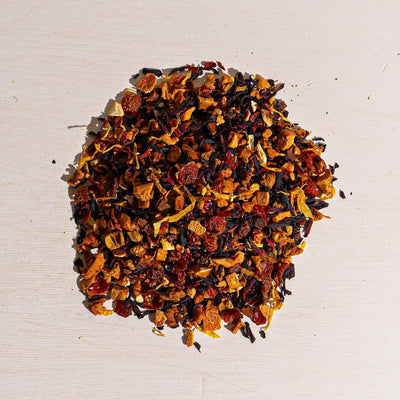
Some herbal infusions stick to using just one ingredient, while others get really creative and mix and match different herbal teas to create a layered flavor. That flexibility is a big plus, because it means you can minimize unwanted additives and caffeine contained in your tea - and in particular that means no caffeine if you're a regular tea drinker.
There are some teas out there that have been traditionally used as part of a wellness routine, and they're all about balance and managing stress - like teas that include licorice root or holy basil. Check out our herbal tea collection and you'll see just how diverse this whole category is.
What is Black Tea?

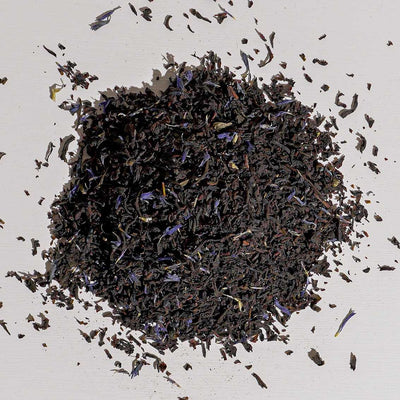
Black tea starts its life in the camellia sinensis plant - the same plant that produces all sorts of other teas like green tea, white tea, oolong and even jasmine tea. What makes black tea so special though is the way its leaves get fully oxidized - this gives them that deep rich flavor and dark color we love.
When you brew a cup of black tea, you get all the caffeine and tannins naturally found in tea. An eight ounce cup typically has a bit more caffeine than a cup of green tea - though it really can vary a lot depending on the tea and how you make it.
Black tea often appeals to people who want a reliable source of energy and a comforting daily routine. Check out our collection of black tea to see our classic styles and some fun flavored options
Flavor Comparison

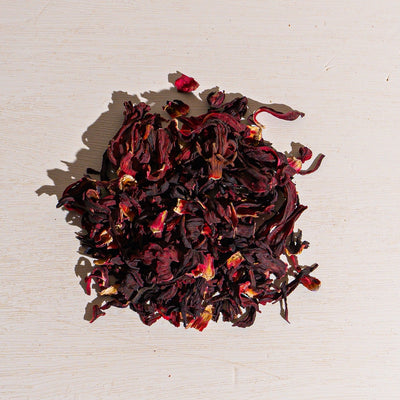
Herbal teas offer a wide range of flavor profiles, depending on the ingredients used. Some are floral and mild, while others lean tart, spicy, or citrusy. Hibiscus tea, for example, has a sharp, cranberry-like taste, while chamomile is light, smooth, and calming. Ginger tea brings warmth and a gentle bite, making herbal teas feel varied and flexible from cup to cup.
Black tea, on the other hand, has more structure and body. Its flavor can be malty, brisk, or slightly astringent, with a finish that tends to linger longer on the palate. Many people enjoy black tea for its balance and familiarity, making it a dependable choice for daily drinking.
In the end, taste comes down to personal preference. Herbal tea offers more variety and room for exploration, while black tea is valued for its consistency and reliable flavor.
Caffeine Comparison
When comparing caffeine content, herbal tea and black tea differ clearly. Most herbal teas are naturally caffeine-free, which makes them suitable for drinking throughout the day, including in the evening. This makes herbal tea a common choice for people who want to stay hydrated without adding stimulants.
Black tea contains caffeine, typically 40 to 60 mg per 8 oz cup, depending on the variety and how long it is brewed. This is lower than brewed coffee, which usually contains 80 to 100 mg per 8 oz cup, but higher than herbal tea, which contains 0 mg. The caffeine in black tea provides noticeable stimulation without reaching coffee-level intensity.
How this caffeine feels varies by individual and can also be affected by brewing time and water temperature.
Tea Type |
Caffeine Content (per 8 oz) |
Suitable for Evening? |
Typical Effects |
|---|---|---|---|
Herbal Tea |
0 mg (naturally caffeine-free) |
Yes |
Hydrating, calming, no jitters |
Black Tea |
40-60 mg |
No (for sensitive individuals) |
Moderate stimulation, alertness |
Health and Lifestyle Comparison

The benefits of herbal tea can vary wildly depending on the ingredients thrown into the blend. Many blends provide great nutritional benefits through different health promoting compounds. Some help with digestion, others help you unwind and relax, and then there are the ones that are all about keeping you hydrated. And then there's the fact that many of this tea make great natural remedies, drawing on centuries of traditional use.
Some herbal teas - green rooibos and hibiscus are good examples - are part of balanced diets that take the whole picture into account and try to make it a regular habit. These teas deliver additional benefits without stimulating effects. Plus, there are the ones that get added to evening routines to help people wind down in the evenings - those teas can be a pretty good fit for people who are all about establishing a restful routine.
When it comes to black tea benefits though, the focus is more on the antioxidants and how it can support your metabolism. And it gets a lot of study time in the world of cardiovascular health - how it fits in with diet and lifestyle choices that keep your heart healthy. People who want to live an active and balanced lifestyle often end up choosing black tea over other options.
Of course black tea does contain caffeine - one of the things that for some people at least is the main reason to drink it in the first place. And there are the naturally occurring compounds that add to the effect, making you feel more alert and active. But the thing is, both black tea and herbal tea have their own unique qualities that people look for when trying to match their tea choice to their personal goals.
Some teas have compounds that are being looked at a lot in the context of how they fit into a healthy long term eating plan.
When it comes to black tea though, there's one thing to be aware of: tannins. They can actually lower your absorption of non-heme iron, especially if you drink it with your meals. Which, if you're watching your iron intake, is something to take into account.
Brewing Behavior Comparison
Herbal teas release color and aroma quickly in hot water, usually brewed at 95–100°C (200–212°F) for 3 to 7 minutes. The result is a vibrant, clear infusion, and even when steeped longer, the texture typically remains light and refreshing. This forgiving brewing style makes herbal teas suitable for beginners.
Black tea behaves differently. It is usually brewed at 90–96°C (195–205°F) for 3 to 5 minutes, during which it develops strength and depth quickly. As the leaves open, the texture becomes fuller and more layered. If steeped too long, black tea can become bitter, particularly for people with higher sensitivity to tannins.
Aspect |
Herbal Tea |
Black Tea |
|---|---|---|
Brewing Temperature |
95–100°C (200–212°F) |
90–96°C (195–205°F) |
Brewing Time |
3 to 7 minutes |
3 to 5 minutes |
Flavor Development |
Quick release, light and refreshing |
Develops strength and depth quickly |
Texture |
Light, remains refreshing even if steeped longer |
Fuller and layered |
Bitterness Risk |
Low, even with longer steeping |
High if steeped too long |
Suitability for Beginners |
Very suitable |
Recommended to monitor steeping time |
Which Tea is Better for Daily Drinking
It all comes down to what you need from your tea, and what your daily routine is like. If you're after something to help with hydration and support your focus without giving you a caffeine boost, herbal teas are a no-brainer.
And because most types if this teas are naturally caffeine-free, they're perfect for long workdays or evening routines. If you want to dive deeper into blends that are ideal for daily drinking, take a gander at our guide to the best herbal teas for everyday use.
Black tea on the other hand is a morning-to-early-afternoon kind of a thing. It gives you a boost of energy without being too overwhelming like a cup of coffee - which is probably why so many people make it a regular part of their daily routine.
Regular black tea drinkers tend to really rate its balance of flavor and just the right amount of caffeine. If you want to weigh up your options and find a dependable daily go-to, check out our guide to the best black teas for everyday use.
Which Tea is Better for Beginners
For newbies, herbal teas are a great place to start. They're just plain easy to get along with - no worries about too much caffeine or a bitter taste. Plus the fact that they are single ingredient teas like peppermint or chamomile helps to keep things simple.
If you're new to black tea, you might want to start with a smoother blend before tackling the stronger ones. Understanding how tea compares to coffee helps set clear expectations for flavor and overall drinking experience.
Which Tea Should You Choose

If you're after caffeine free options, a wide range of flavors and a gentle daily pick-me-up then herbal tea is the way to go. If you want something with a bit more substance, with a rich flavor and a moderate boost, black tea is a good bet. And the best part is both can be a healthy addition to your lifestyle - just pick the one that suits you best.
To be honest, there is no tea that is better than the other. The better choice aligns with your taste preference, schedule, and caffeine tolerance.
FAQs
Is herbal tea better for you than black tea?
Herbal tea isn't automatically better for you. It suits people avoiding caffeine and seeking hydration or specific herbal tea benefits. Black tea, on the other hand, is packed with antioxidants that may support heart heath.
What is the difference between herbal tea and regular tea?
Regular tea is made from the camellia sinensis plant, which includes black tea, green tea, white tea, and oolong tea. Herbal teas are not tea leaves and use herbs, fruits, or flowers instead.
Is black tea a herbal tea?
No. Black tea comes from actual tea leaves and has caffeine.
Are most herbal teas caffeine free?
Yes, most of it are naturally caffeine free, although you always want to double check if you're unsure about a particular blend - there might be tea leaves in it.
Final Notes
Herbal tea vs black tea is basically a tale of two very different tea experiences - one is about flexibility, hydration and being caffeine free, the other is about a deeper, more bold experience with a bit of stimulation. Both offer numerous health benefits when chosen thoughtfully and can be part of overall wellness-focused beverage choices.
Try Taste of Tea and explore how different types of tea can fit into your daily routine and support your long-term habits. You can enjoy flavorful options, caffeine-free hydration, and a self-care ritual that actually feels enjoyable.
Behind the Cup

Patrick R.
Patrick is a tea enthusiast who enjoys writing about tea and exploring its rich history, culture, and flavors. He contributes to Taste of Tea by sharing his thoughts, discoveries, and personal insights into the world of tea.
Further reading