Discover key differences and similarities between black tea and Earl Grey, including origins and flavor.
Learn how bergamot oil creates the distinctive Earl Grey experience.
Understand brewing methods and occasions for each tea.
Clarify caffeine content and its effect on energy and focus.
Get guidance on choosing tea based on taste and lifestyle.
People who are serious about tea have been debating the merits of black tea vs Earl Grey for ages. Both teas come from the Camellia sinensis plant, but the Earl Grey has a special twist - a splash of bergamot oil, which gives it that citrusy zing.
A lot of people are still trying to figure out whether Earl Grey is just black tea with a bit of added flavor or if it really is a whole different tea. Some people want to know how they differ in terms of taste, and which one is best suited for a particular daily routine. Others are curious about the caffeine content, or the best way to brew them - and that's where this guide comes in. It will explain everything in a simple way so you can pick the one that fits in with your life.
What Is Black Tea?

Black tea is made by harvesting tea leaves and then rolling them - allowing full oxidation to take place in the process. This process produces dark-colored leaves with a bold, full-bodied aroma and taste. It's the oxidation that gives black tea that distinct dark color - which often results in a deep rich brown or black liquid that sets it apart from other types of tea.
Black tea has some interesting historical roots in China, while Assam in India emerged as a major black tea production region and developed its own distinct variety in the 19th century. Today black tea can be found growing in Asia and Africa and is one of the most widely consumed drinks in the world.
There are many different types of black tea, with some of the most popular ones being Assam, Ceylon, Darjeeling, English Breakfast and Earl Grey. Assam is all about malty sweetness, Ceylon's got bright citrus notes and English Breakfast is a bit of a blend - combining a few teas to get that perfect bold, balanced cup. And one of the things that's great about black tea is how versatile it is - people enjoy it plain, with milk, or iced and it's commonly sweetened with sugar or honey.
Black tea has a reputation for having a pretty robust and earthy flavor which is why it's such a good choice for those looking for a more traditional tea experience. Allowing tea leaves to fully oxidize deepens the flavor profile, giving you a rich, layered taste that can range from malty and smoky to bright and brisk, depending on the specific type of tea you're drinking. It's this complexity that makes black tea so popular among tea fans around the world.
What Is Earl Grey tea?

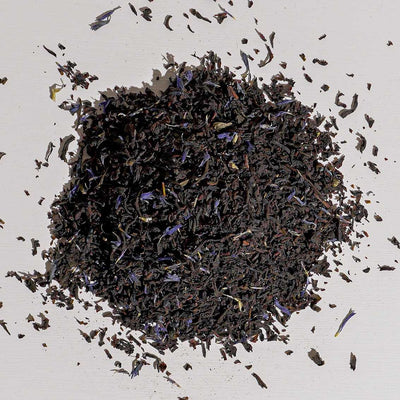
Earl Grey is a black tea flavored with bergamot oil. That bergamot oil comes from a citrus fruit, which gives Earl Grey a nice floral-citrus smell. The bergamot oil is extracted from the peel of a bergamot fruit, a type of citrus from the Mediterranean, and specifically from southern Italy. But, some blends now use green tea or even oolong tea as the base. And then there are variations like Lady Grey which puts in some lemon and lime peel to give it a little more zing.
The Earl Grey tea is named after Charles Grey, the 2nd Earl Grey that was Prime Minister in the 1830s. The Grey family never actually trademarked the name Earl Grey. Because of that, many different brands can make their own versions of the tea. If you're looking for a proper Earl Grey, you're looking at a black tea base, with leaves from somewhere like China, Assam, Ceylon or Darjeeling, all scented with bergamot.
You can actually make Earl Grey with just about any type of tea you like - green tea, or white tea. That means you can get a wide range of flavors. So even though Earl Grey is a fairly well known tea, it's still has a lot of room for experimentation and innovation.
Earl Grey vs Black Tea: Detailed Comparison
Let’s compare Earl Grey and black Tea side by side.
Table 1: Key Differences at a Glance
Feature |
Black Tea |
Earl Grey |
|---|---|---|
Tea Base |
Pure black tea leaves from Assam, Ceylon, or other regions |
Black tea leaves flavored with bergamot oil (sometimes green or oolong tea in blends) |
Flavor |
Rich, malty, sometimes smoky; full bodied |
Floral and citrusy from bergamot; lighter and aromatic |
Aroma |
Toasty, robust |
Fragrant, perfumed, citrus-forward |
Color in Cup |
Dark copper to brown |
Dark copper to brown with citrus scent |
Caffeine Content |
Moderate (40–70 mg per cup) |
Moderate (40–70 mg per cup) |
Brewing Tips |
Steep 3–5 min; can pair with milk and sugar |
Steep 3–5 min; milk, lemon, or honey optional; avoid oversteeping to prevent bitterness |
Best For |
Morning routine, milk tea, breakfast blends |
Afternoon breaks, aromatic tea experience, plain or lightly sweetened |
Suitable for Beginners |
Yes, especially English breakfast or mild blends |
Yes, for those who enjoy citrus aroma and lighter taste |
Flavor Comparison

Black tea has a rich, malty flavor that's enhanced by toasty, robust notes. If you like a hearty cup, you should drink Assam tea, while if you prefer something a little brighter and more uplifting, you should choose Ceylon because of its gentle citrus twist. Then there's English breakfast, which is essentially a blend of multiple black teas all coming together to create a solid, strong cup.
Every one of these black teas has its own distinct personality but each has its own unique taste characteristics that add to the fun of exploring them. You can enjoy them straight up or with milk or you can also drink it iced.
Now, in Earl Grey tea, bergamot adds a beautiful floral-citrus aroma which lightens the mood, even though it has the same black tea base as the others. Earl Grey has a hint of orange blossom, lemon zest or a gentle spice which all add to its complexity. Many people say that Earl Grey is a refreshing cup, which is quite different from black tea which can sometimes leave you feeling a little dry in the mouth. The bergamot definitely changes the flavor and aroma of the tea blend. On top of that, Earl Grey usually leaves a less astringent taste in your mouth than plain black tea does.
Both teas pair well with milk, but if you add too much, it can really the delicate bergamot aroma.
Caffeine Comparison
Black tea and Earl Grey both contain around 40-70 mg of caffeine per cup - a moderate amount that's standard in the tea world. Of course, black tea may taste a little bolder than Earl Grey, but when it comes to caffeine levels, the two are generally close.
The actual amount of caffeine you get from your cup of tea depends more on how much tea you use and how long you steep it than on which type of tea you choose. So both of these teas can be a gentle pick-me up, perfect for morning routines or an afternoon break.
Health and Lifestyle Comparison
Both black tea and Earl Grey come from the same Camellia sinensis plant, so they have a lot in common. They both have a rich flavor, and their moderate caffeine content makes them go-to choices for a lot of tea fans.
But whereas black tea tends to be a little more robust and malty, Earl Grey sets itself apart with a nice citrusy aroma and a lighter taste thanks to its bergamot oil infusion. How you drink your tea - plain, with milk, or a little sugar - can definitely change the way you experience it.
While black tea is often praised for its boldness and flexibility, Earl Grey is the perfect choice for people who love a cup that's fragrant and aromatic. Both are great tea options for different moments of the day - and they complement each other nicely in their own way.
Brewing Behavior Comparison

While Black Tea and Earl Grey may have the same base, the difference in their behavior once hot water hits the leaves is quite noticeable.
Black tea will produce a deep, rich color as it steeps - a deep copper-to-dark-brown color that develops into a full-bodied texture. As it brews, the taste build-up is quite gradual, moving from a brisk, malty first taste to deeper, more full-on robust notes depending on where it's from and how long you steep it.
Earl Grey, on the other hand, infuses pretty much the same way, but the bergamot oil is almost always immediately apparent once the hot water hits. As the tea leaves unfurl, the citrus notes blends with the black tea - creating a fabulous layered flavor with floral and slightly sweet notes. Even though the base tea is just as full-on, the final cup feels lighter on the palate.
And with both teas, steeping time is crucial. Leave black tea in too long and you end up with bitter, overpowering tannins. Same thing with Earl Grey, oversteep it and you not only get all that bitterness but the bergamot starts tasting sharp, even perfumed. Loose leaf versions of either will generally produce a cleaner, more balanced cup and with Earl Grey, getting that right is all about finding that special balance between strong, good quality black tea and bergamot oil.
Which Tea Is Better for Daily Drinking?
Black tea and Earl Grey can easily become go-to choices for daily cups - it just depends on what you're in the mood for.
If you want to start the day off with a little zing, then Black tea or English Breakfast is probably your best choice, especially if you like to drink it with a little milk and sugar. The tea's robust flavor can help you feel more alert and focused. But if you're looking for a consistently great cup, then have a look at our guide to the best black tea for some top recommendations for daily drinking.
Earl Grey, on the other hand, is a little more laid-back and aromatic. The bergamot gives it a lovely citrusy smell that's pleasant on a mid-morning or afternoon when you just need a bit of a lift. People who like a lighter cup often drink Earl Grey when they have some time to sit back and appreciate it. If you want some suggestions that really highlight the balance of the citrus oils, then check out our selection of top Earl Grey blends.
Both of these teas are versatile and can be brewed hot or iced, made with milk, or even used in a cocktail. So, if you're a fan of a strong and straightforward cup, then Black tea is probably the way to go. But if you prefer something a bit more uplifting and fragrant then Earl Grey might be the better option.
Which Tea Is Better for Beginners?
For complete beginners, both of these teas offer a gentle introduction, but they go about it in slightly different ways.
Breakfast-style black tea is a good place for a newcomer to start, the flavor is comforting and familiar, and it works particularly well if you add a little milk to soften it. It's doing the job of introducing you to the basic idea of what black tea tastes like, without getting too complicated.
Earl Grey can be a good tea too, especially for those who like a little citrus in their tea. The bergamot has a bit of a lightening effect on the black tea, making it a bit less heavy, and it adds a pleasant zing to the flavor. But if the blend is too strong or is of poor quality, the aroma can be overpowering at first.
If you're brand new to black tea and want to start with a base idea of what it tastes like, a smooth breakfast blend is probably a good start. You'll find yourself appreciating the tea a lot more that way. From there, moving to Earl Grey is an easy next step, and it's a good way to experiment with more complex and aromatic flavors.
Both Earl Grey and breakfast black tea are perfectly fine for beginners. The choice just depends on whether you prefer your tea rich and full bodied or light and fragrant.
Which Tea Should You Choose?

The decision between black tea and Earl Grey tea goes down to what you like best in a cup of tea.
Choose black tea if rich, full-bodied flavor is what you're after. Black teas are versatile - perfect for milk tea, English breakfast, or even a boba tea base. The malty taste holds up surprisingly well to sweeteners and creamy additions, so you can see why it's adaptable to many different styles.
On the other hand, Earl Grey is for you if you love floral and citrusy scents. Enjoy it on its own, with a squeeze of lemon, or just a touch of honey, and it gives you a nice balance of brightness and body without losing any of that structural depth that good black tea gives you.
Both will give you a satisfying cup with plenty of flavor. The choice then comes down to a single key ingredient that makes all the difference - bergamot. One little ingredient that turns black tea into something more interesting and aromatic.
FAQ
What is the correct way to drink Earl Grey?
It depends on your own preference, but many people like to enjoy Earl Grey plain so they can appreciate that bergamot flavor. Others like to add a squeeze of lemon, a drizzle of honey or a splash of milk - just be careful not to add too much milk, or you'll overpower that lovely citrus aroma.
Should I put sugar in Earl Grey tea?
Sugar remains optional. High quality earl grey is often described as balanced without the need for sweeteners. Add honey instead if you prefer gentle sweetness that complements citrus notes.
Sugar is definitely optional. Good quality Earl Grey is often said to be nice and balanced, so you don't need to add any sweeteners. But if you do want a little sweetness, honey's a good choice as it complements those citrus notes well.
Final Notes
The main difference between black tea and Earl Grey is not just about the tea leaves they come from, Camellia sinensis, the real difference lies in the bergamot oil that's added to Earl Grey - that's what gives it such a unique flavor and aroma.
Black tea, of course, has that rich, strong flavor that's perfect for whenever you want a good cup of tea. Earl Grey, on the other hand, brings a refreshing citrusy aroma and some lovely floral notes, making it a more interesting and nuanced option.
Take a look at our black tea and Earl Grey collections over at Taste of tea - I'm sure you'll find the perfect daily brew to suit your taste. And enjoy the unique qualities each one has to offer!
Behind the Cup

Patrick R.
Patrick is a tea enthusiast who enjoys writing about tea and exploring its rich history, culture, and flavors. He contributes to Taste of Tea by sharing his thoughts, discoveries, and personal insights into the world of tea.
Further reading