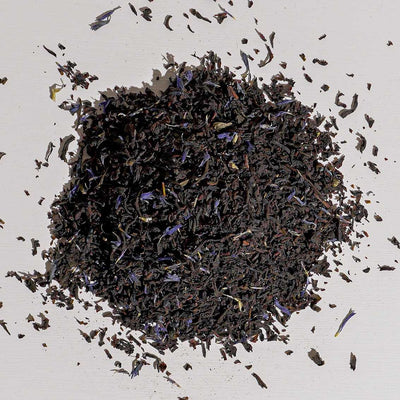
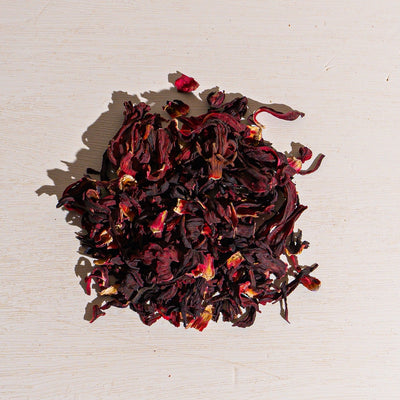
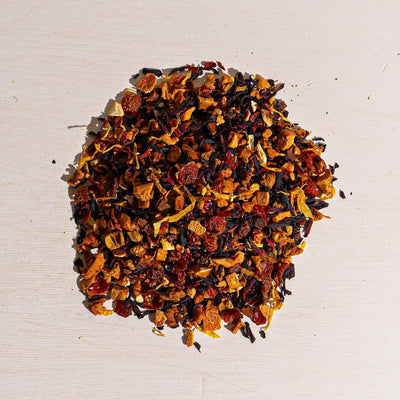
Nothing beats a tall glass of iced tea on a hot day — and it is one of the easiest drinks to make at home, for a fraction of the price of the bottled stuff. This homemade iced tea recipe covers three ways to make iced tea, the right tea-to-water ratios, the best teas to use, and the little tricks that help reduce bitterness and keep your tea clear.
You will find a quick method for right now, a smoother cold-brew method for tomorrow, and the traditional sun-tea approach (with an honest note on why it is the least safe). Use the calculator below to get your exact amounts.
On this page
- What you need & the ratios
- Method 1: Classic hot-brew (~15 min)
- Method 2: Cold brew
- Method 3: Sun tea (traditional, least safe)
- Hot brew vs cold brew
- How to make iced tea not bitter
- Best tea for iced tea
- How to sweeten it
- Flavor variations
- Storing it & keeping it clear
- Iced tea calculator
- Quick recipe
- FAQ
What you need
Iced tea needs only two things: tea and water. A practical starting point is one standard tea bag, or about 2–3 grams of loose tea, per 8 fl oz (237 ml) of water. Because iced tea is diluted by ice, many people brew it a little stronger than hot tea. Bag sizes and leaf density vary, so follow the package directions when they differ.
- Tea — loose leaf tea or tea bags both work. Loose leaf tea usually tastes cleaner; tea bags are more convenient.
- Water — filtered water gives the smoothest flavor.
- Ice, a pitcher, and a strainer (for loose leaf). A dedicated iced tea pitcher makes brewing and pouring simple.
- Optional: sweetener, lemon, fresh mint, or fruit.
Ratios by batch size
These are starting points for a regular-strength brew; weights depend on the specific tea, so treat grams as a guide and adjust to taste.
| Batch | Tea (regular) | Stronger |
|---|---|---|
| 1 quart / 32 fl oz (946 ml) | 4 bags / 8–12 g loose | 6 bags / 12–15 g |
| 2 quarts / half gallon (1.89 L) | 8 bags / 16–24 g | 10–12 bags / 24–30 g |
| 1 gallon (3.79 L) | 16 bags / 32–48 g | 20–24 bags / 48–60 g |
Adjust the amount of tea, not the water, so your ice ratio stays right. The calculator below does the math for you.
Method 1: Classic hot-brew iced tea (ready in ~15 minutes)
This is the fastest way, and the one most people mean by “iced tea.” To avoid a watered-down glass, brew a strong concentrate with half the water, then top up with cold water or ice.
- Heat the water. For most black teas use water at about 200–212°F (93–100°C); for most green teas use about 160–180°F (71–82°C) so it does not turn bitter — unless the package says otherwise.
- Steep a concentrate. Steep your tea in half the final water (for 1 quart, use 2 cups / 473 ml hot water). Steep 3–5 minutes for black or 2–3 minutes for green. Over-steeping is one of the most common causes of excessive bitterness, so set a timer.
- Remove the tea. Lift the tea bags out rather than squeezing them — squeezing can release more concentrated liquid and fine particles for a slightly harsher cup.
- Dilute and chill. Add the other half as cold water or ice (about 2 cups / 473 ml) to reach roughly 1 quart, then pour over a glass of ice. For the clearest tea, let the concentrate cool at room temperature for a few minutes before it hits cold. (America’s Test Kitchen recommends a similar two-stage steep — hot, then over ice water — for a smoother, less bitter result.)
- Serve over fresh ice with lemon slices or fresh mint.

Method 2: Cold brew iced tea (smoothest, no heat)
Cold brewing steeps tea in cold water in the fridge. The short version: use the same ratio as above (about 1 tea bag or 2–3 g per cup), add it to cold water, cover, and refrigerate — green tea about 4–8 hours, black and white about 6–12, herbal and fruit blends often 8–12 — then strain.
Because cold water extracts bitter and astringent compounds more slowly than hot water, cold brew usually tastes smoother, and may seem a little sweeter simply because there is less bitterness (it does not add sugar). It is relatively forgiving when brewed under refrigeration. One caution: cold water does not heat-treat anything, so brew herbal blends from a trusted source, keep everything clean and cold, and drink promptly. For the full walkthrough and which teas shine cold, read our complete guides on how to make cold brew tea and steeping tea in cold water.

Method 3: Sun tea (traditional — but the least safe method)
Sun tea is made by setting a jar of tea and water in the sun to steep with gentle warmth. It is nostalgic, but it is the least safe way to brew.
Food-safety note: sun tea is not the safest method, because the water can sit for hours at temperatures inside the USDA “danger zone” of about 40–140°F (4–60°C) — warm enough for bacteria to grow, but not hot enough to pasteurize the tea. Tea leaves and herbs are not sterile, and a clean jar lowers but does not remove the risk. If you make it anyway, keep it to a few hours, use a clean jar, refrigerate as soon as it is done, and drink it the same day. People who are pregnant, older, immunocompromised, or serving young children should skip sun tea. For a similarly mellow flavor with far less temperature-control risk, cold-brew in the refrigerator instead — it is the safer alternative.
Hot brew vs cold brew: which should you use?
Both make great iced tea — the difference is time and taste. Here is a quick side-by-side (sun tea aside, since it is the least safe method).
| Classic hot-brew | Cold brew | |
|---|---|---|
| Time | ~15 minutes | 4–12 hours (mostly hands-off) |
| Taste | Bold, brisk, aromatic | Smoother, rounder, less astringent |
| Bitterness risk | Higher if over-steeped | Low — hard to over-extract |
| Effort | Quick, needs hot water | No heat, needs planning ahead |
| Best for | Iced tea right now | The smoothest glass, made overnight |
Short on time? Hot-brew a concentrate and pour it over ice. Want the mellowest glass and can plan ahead? Cold brew in the fridge overnight.
How to make iced tea that isn't bitter
Bitterness comes from over-extracting tannins — usually too long a steep, water that is too hot, or squeezing the leaves. A few habits keep every glass smooth:
- Don't over-steep. Set a timer: 3–5 minutes for black, 2–3 for green. A longer steep does not make tea stronger — just harsher.
- Match the water to the tea. Use about 200–212°F (93–100°C) for black, but cooler 160–180°F (71–82°C) for green and white, which scorch and turn bitter in boiling water.
- Lift, don't squeeze. Squeezing the bags or pressing the leaves releases extra bitter compounds and fine particles.
- Let it cool before ice. Resting the hot concentrate at room temperature for a few minutes gives a cleaner taste — and clearer tea — than shocking it cold.
- Or cold brew. Cold water extracts far less bitterness, so cold brew is the most forgiving method of all.
Best tea for iced tea
Almost any tea can be iced, but some really shine over ice:


Green tea also makes a light, refreshing glass — keep the steep short and the water cooler. Browse our green tea collection.
How to sweeten iced tea
- Simple syrup (sugar syrup) is the best sweetener — granulated sugar barely dissolves in cold liquid, but syrup mixes instantly. Warm equal parts sugar and water by volume (or by weight for more consistency) until clear, then cool and keep it refrigerated.
- Liquid sweeteners like agave mix readily into cold tea. Honey blends best when first dissolved in a little warm tea or water.
- Unsweetened tea has no added sugar and few, if any, calories — the lightest option, letting the tea lead.
- For proper Southern-style sweet tea, follow our how to make sweet tea recipe.
Flavor variations
Once you have the base down, iced tea is a blank canvas:
- Peach — add fresh peach or brew a peach tea.
- Raspberry or berry — muddle a few berries or use a raspberry blend.
- Lemon and citrus — a squeeze of lemon brightens any black tea.
- Mango and tropical — try a mango tea.
- Mint — fresh mint or a peppermint blend for a cooling finish.
Fresh fruit, herbs, and mint are perishable — tea made with them should be kept cold and consumed sooner than plain tea (see below).

Storing it and keeping it clear
Store iced tea in a clean, covered container at 40°F (4°C) or below. For best quality and a conservative safety margin, drink plain brewed tea within 2–3 days; tea with fresh fruit, herbs, or other perishables should be finished sooner. Do not leave brewed tea at room temperature for more than 2 hours (or 1 hour when it is above 90°F / 32°C). Discard any tea that develops an off odor, flavor, fizz, sliminess, or mold.
Why does iced tea sometimes turn cloudy? As concentrated hot tea cools, some naturally occurring tea compounds — including polyphenols and caffeine — form visible complexes, a “chill haze.” Mineral-rich water, strong brewing, and rapid chilling all encourage it. To prevent it, let tea cool at room temperature before refrigerating. A small splash of boiling water stirred in will usually clear harmless chill haze — but that trick will not make spoiled tea safe. Cloudiness that appears as fresh tea cools is generally a quality issue rather than a safety one; still, discard tea that also smells or tastes off.
Curious about caffeine in your glass? Black and green iced teas contain caffeine; herbal and hibiscus are naturally caffeine-free — the full breakdown is in does iced tea have caffeine.
Iced tea calculator
Set how much you want to make, your tea type, strength, and method — and get the tea, ice, and steep time.
Quick recipe: classic iced tea
Makes ~1 quart / 946 ml · Prep 5 min · Steep 5 min · Total ~15 min
Ingredients
- 4 black tea bags (8–12 g / about 1½ tbsp loose) for a regular brew, or 6 bags (12–15 g / about 2 tbsp) for a stronger one
- 2 cups (473 ml) hot water, plus 2 cups (473 ml) cold water or ice
- Ice, to serve
- Optional: simple syrup, lemon, fresh mint
Steps
- Heat 2 cups water to about 200–212°F (93–100°C) and pour over the tea.
- Steep 3–5 minutes, then lift out the tea.
- Stir in 2 cups cold water or ice to reach about 1 quart; let cool.
- Pour over a glass of ice and add sweetener, lemon slices, or mint to taste.
Frequently asked questions
Is iced tea good for you?
Unsweetened iced tea can be a refreshing, low-calorie drink that adds to your fluid intake, and tea naturally contains plant compounds — though the amounts vary by tea type, processing, brewing, and serving size. Sweetened iced tea can carry a lot of added sugar, so its nutrition depends largely on how you make it. If you have specific health questions, check with a healthcare professional.
Does iced tea have caffeine?
Iced tea made from black or green tea contains caffeine; the exact amount depends on the tea, how much you use, and how long you steep. Herbal and hibiscus iced teas are naturally caffeine-free. For typical amounts by tea type, see our full guide on iced tea and caffeine.
What tea is best for iced tea?
Black tea (such as Assam or Ceylon) is the classic all-rounder — bold and amber over ice. Green tea makes a lighter glass; keep the steep short and the water cooler. Hibiscus and fruit blends are the best caffeine-free choices, tart and colorful. It comes down to taste, so try a few.
Can you cold brew any tea?
Black, green, white, herbal, and fruit teas all cold brew well. Cold brewing is especially forgiving for green tea and usually keeps bitterness low, as long as you don't over-steep. Steep times vary — roughly 4–8 hours for green and 6–12 for black — and everything should stay refrigerated while it brews.
Why is my iced tea cloudy, and how do I fix it?
Cloudiness (chill haze) forms when concentrated hot tea cools and some tea compounds bind together; strong brewing, mineral-rich water, and fast chilling encourage it. Let tea cool at room temperature before refrigerating, or stir in a small splash of boiling water to clear it. This only fixes harmless haze — discard tea that also smells or tastes off.
How long does homemade iced tea last?
Kept covered at 40°F (4°C) or below, plain brewed tea is best within 2–3 days; tea with fresh fruit or herbs should be finished sooner. Don’t leave it at room temperature for more than 2 hours (or 1 hour when it is above 90°F / 32°C), and discard it if it smells, tastes, or looks off.
How much tea do I use per gallon?
For a regular-strength gallon, use about 16 tea bags or 32–48 g of loose tea; go up to 20–24 bags for a stronger brew. Bag sizes vary, so follow the package directions and adjust to taste.
Can I make iced tea with regular tea bags?
Yes — regular tea bags are perfect for iced tea. Use about 1 tea bag per cup of water (4 tea bags per quart), steep 3–5 minutes, then dilute with cold water and chill. Larger "family-size" iced-tea tea bags each brew more, so follow the count on the package.
Is cold brew iced tea better than hot brewed?
Neither is strictly better — it is a trade-off. Hot brewing is ready in about 15 minutes and tastes bold and brisk; cold brewing takes 4–12 hours in the fridge but comes out smoother and less bitter. Choose hot brew when you want iced tea now, and cold brew when you can plan ahead for the mellowest glass.
How do I make iced tea less bitter?
Bitterness is over-extraction. Steep no longer than 3–5 minutes (2–3 for green), use cooler water for green and white teas, lift the tea out instead of squeezing it, and let the concentrate cool before it hits ice. Cold brewing avoids most bitterness altogether.
Ready to brew?
Homemade iced tea is the easiest way to enjoy tea all summer, and the best iced tea starts with a tea you love. Keep the steep short, and let it cool before it hits the ice. Explore our full range of teas and find your new favorite summer glass.
Food-safety guidance in this article reflects general recommendations from the USDA (refrigeration at or below 40°F / 4°C and the 40–140°F “danger zone”) and the FDA. This is general information, not medical or food-safety advice for your specific situation.
Behind the Cup

You Might Also Like